Connection
4 episodes tagged "Connection".

Why Real Connection Scares You
Let me give you a psychological fact that changed my life: vulnerability is the only bridge to connection. If you never show who you really are, you can’t be loved for who you are—only for the mask. And being loved for the mask is one of the loneliest experiences there is. And the Bible backs this up. Scripture is radically anti–hyper-independence. The phrase “one another” shows up over and over—love one another, forgive one another, bear with one another, confess to one another. None of that happens alone in your room. You can’t bear with people if you cut them off the moment they become uncomfortable. Healing requires people, not just podcasts. If this hit home, like, comment, and subscribe for honest conversations about mental health, faith, and real connection. —Michael, Sober Psychology
You Can't Be Loved If You Won't Be Vulnerable
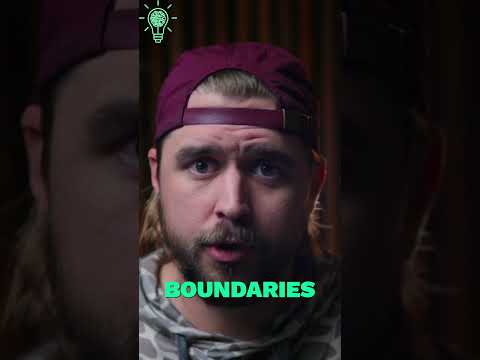
Let me say this plainly—weaponized therapy speak is wrecking real connection. Words like boundaries, gaslighting, and emotional labor weren’t meant to be shields. Sometimes you’re not setting a boundary—you’re just being a jerk. Real boundaries protect relationships. Fake boundaries keep people out. If your “healing journey” means cutting off anyone who mildly inconveniences you, that’s not healing—it’s isolation. Here’s the psychological truth: vulnerability is the only bridge to connection. You can’t be loved for who you are if you never show who you are. If this resonates, like, comment, and subscribe for honest conversations about mental health, recovery, and faith—without the buzzwords. —Michael, Sober Psychology

Why Total Safety Without Love Is Hell
Come here—I know the bunker feels safer. I know that if you don’t let anyone in, no one can hurt you. But here’s the hard truth: safety without love isn’t healing—it’s isolation. As C.S. Lewis said, the only place where you can be perfectly safe from love is hell. And that’s not where you want to live. To love is to be vulnerable. To heal is to be known. You’re not healing alone—you’re just rotting in private. Get out of the bunker. Risk the pain, because the alternative is a kind of safety that feels a whole lot like death. If this hit you, like, comment, and subscribe for more honest conversations about mental health, recovery, and faith. —Michael, Sober Psychology

You Didn’t Set a Boundary — You Built a Bunker
Let me be honest with you—“protecting your peace” isn’t the same as building a life. A lot of you didn’t set a boundary… you built a bunker, and it’s getting lonely in there. What we call independence is often hyper-independence—a trauma response tied to dismissive-avoidant attachment. When your needs were ignored growing up, your brain learned a hard lesson: don’t rely on anyone. Here’s the way out: micro-dependencies. Start small. Ask for help. Borrow a pen. Ask for advice. Retrain your nervous system to learn that connection ≠ danger. Get out of the bunker. Risk the pain—because safety without connection feels a lot like death. If this resonates, like, comment, and subscribe for more straight talk on mental health, recovery, and faith. —Michael, Sober Psychology