CLINICAL FOCUS
Understanding Addiction & Recovery
Clinical approaches to addiction, dependency, and the biological and psychological process of sustained sobriety.
Discuss Addiction & Recovery on DiscordVideos

Addiction & Recovery 40:00
I Studied Psychology to Fix Myself. It Failed. (My Sobriety Story)
Intellect can't save your soul. For years, I told myself that if I just understood my dysfunction well enough, I could manage it. I wore the suits, quoted Scripture, analyzed everyone around me, and hid behind the mask of having it all together—while taking shots of liquor just to brush my teeth in the morning. In this special deep-dive episode of Sober Psychology, I’m pulling back the curtain on my own story. From the illusion of control and the failure of the "geographic cure," to being arrested at work, withdrawing on a concrete jail cell floor, and facing the raw terror of Step 4 and Step 5—this is an honest psychological and spiritual case study of how pride destroys us, and how radical surrender is the only path to true freedom. Whether you're currently white-knuckling an addiction, hiding behind cold theology, or trapped in an intellectual loop trying to outthink your pain: you're not special, and you're not alone. CONNECT & RESOURCES:
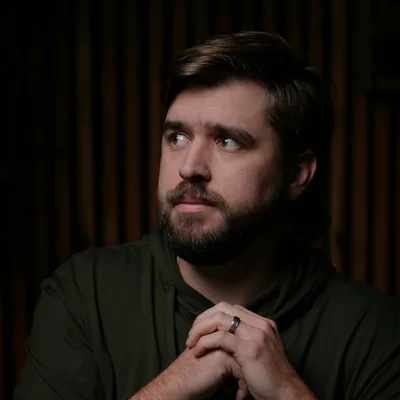
Michael
Founder & Host, Sober Psychology

26:14
Addiction & Recovery
You’re Not Burnt Out. You’re Just a Recovering ‘Good Kid’.
If you did everything right—got the grades, landed the career, stayed out of trouble—and still wake up every morning feeling like an exhausted fraud, this episode is for you. Millennial burnout isn’t a matter of poor time management or needing another mindfulness app. It's the structural collapse of a childhood identity built on "conditional approval." In this episode of Sober Psychology, Michael breaks down why high-achieving adults are crashing into middle age running on empty, combining developmental psychology, addiction science, and the spiritual cost of religious performance. ⚠️ Drop a comment below: What is the one boundary you are terrified of setting this week? 📚 CITED PSYCHOLOGICAL & THEOLOGICAL FRAMEWORKS: • Carl Rogers: Client-Centered Therapy & Conditions of Worth • Carol Dweck: Praised Intelligence vs. Growth Mindset • Alice Miller: "The Drama of the Gifted Child" • Gabor Maté: "The Myth of Normal" (Attachment vs. Authenticity) • Richard Schwartz: Internal Family Systems (IFS) Model • Biblical Reference: Luke 15:11–32 (The Elder Brother) & Galatians 3 🎙️ ABOUT SOBER PSYCHOLOGY: Hosted by Michael—a psychology student, sober dad, and recovering gold-star addict. Sober Psychology bridges clinical data, dark humor, and Christian theology to dismantle modern emotional neuroses.

24:48
Addiction & Recovery
10 Brutal Truths About Quitting Alcohol (That Nobody Talks About)
The culture tells you that quitting alcohol is just about avoiding hangovers and saving money. That’s a lie. In this episode of Sober Psychology, host Michael breaks down the 10 hidden, neurobiological, relational, and spiritual transformations that occur when you finally put down the bottle. From the science of D2 dopamine down-regulation and the 3:00 AM cortisol rebound ("hangxiety") to the brutal pruning of superficial friendships and reclaiming your nervous system for your children, we dive deep into the clinical facts and Biblical wisdom the wellness industry won't tell you. Whether you're sober-curious, actively in recovery, or looking to understand the mechanics of human behavior, this episode delivers raw truth with zero sugarcoating. RESOURCES & SCRIPTURAL REFERENCES: • Polyvagal Theory in Therapy (Stephen Porges) • Cognitive Dissonance & Behavioral Economics (Festinger / Thaler) • Key Passages: Romans 12:2, 1 Peter 5:8, Proverbs 14:13, Ephesians 6:4

16:23
Addiction & Recovery
I Analyzed Gen Alpha’s Brain... We Are In Serious Trouble
Generation Alpha isn't just "quirky"—they're the first generation in human history to have their emotional, social, and cognitive development fully outsourced to algorithmic dopamine devices. In this episode of Sober Psychology, we break down the psychological, neurological, and spiritual autopsy of Gen Alpha. We bypass the lazy "parent shame" and look at the hard truth: how we engineered this crisis, why gentle parenting failed, what's actually happening in public school classrooms, and how to reclaim your home. 🔥 IN THIS EPISODE: - The neuroscience of "Brain Rot" (Skibidi, Rizz, and Dopamine Down-Regulation) - Why Millennial Gentle Parenting turned into permissive passivity - The real reason teachers are quitting in droves & the literacy deficit - Theory of Mind: Why screens kill empathy and real-world social calibration - A Biblical & Psychological blueprint to rescue Gen Alpha 📚 STUDIES & RESOURCES MENTIONED: - JAMA Pediatrics (2022): Early Childhood Screen Time & Executive Functioning Deficits - Jean Piaget’s Stages of Cognitive Development & Preoperational Play - Diana Baumrind’s Authoritative vs. Permissive Parenting Frameworks - NAEP (National Assessment of Educational Progress) Reading Scores Report - Deuteronomy 6:6-7 & Proverbs 22:6 🎧 LISTEN ON THE GO: Spotify: https://open.spotify.com/episode/2988hLX9IpB2ioifb26WFo?si=FHyRu5qlTkSdCkCuL6GYtw Apple Podcasts: https://podcasts.apple.com/us/podcast/sober-psychology/id1777634414 💬 JOIN THE CONVERSATION: Are you seeing these behaviors in your kids or classrooms? What steps are you taking at home? Leave a comment below—I read and reply to them all.

14:50
Addiction & Recovery
Stop Forcing Forgiveness. (How To Heal Without Excusing Them)
"Forgive and forget" is one of the most overused, emotionally lazy pieces of advice in modern history. But what if forcing yourself to forgive prematurely is the exact thing keeping you trapped, sick, and reaching for a coping mechanism at the end of the day? In this episode of Sober Psychology, we dismantle the "Forgiveness Industrial Complex." We look at clinical trauma literature, the neuroscience of emotional suppression, and what the Bible ACTUALLY says about conditional forgiveness vs. unconditional acceptance. ⚠️ WARNING: This episode is not a hall pass to sit on the couch and nurse toxic resentment. Active bitterness will ruin your life and destroy your recovery. We break down the non-negotiable psychological work required to achieve 100% emotional peace WITHOUT ever needing to absolve the person who broke your trust. In this episode, we cover:

14:50
Addiction & Recovery
The Dark Psychology Behind Why Gen Z Is So Lonely
Gen Z isn't broken by nature—they were hyper-engineered by design. In this episode of Sober Psychology, I'll break down the cultural, clinical, and spiritual forces that created Gen Z's unique mental health crisis. We cut through the generic rants and coddling narratives to explore how algorithm addiction, the weaponization of "therapy speak," and the loss of objective truth created an unprecedented generation of lonely, hyper-individualistic young people—and how they can actually recover. LISTEN & SUBSCRIBE: Spotify: https://open.spotify.com/episode/0T1delj7mwdslTgw1nizxf?si=IONx4xnyQECeH47zcyCQJw Apple Podcasts: https://podcasts.apple.com/us/podcast/sober-psychology/id1777634414 ABOUT SOBER PSYCHOLOGY: Hosted by Michael—a psychologist-in-training, sober dad, and recovery advocate. Sober Psychology is an unvarnished exploration of human behavior, mental health, and spiritual reality. We break down complex psychological principles, challenge modern cultural lies, and look at human healing through both clinical data and Biblical truth. DISCLAIMER: The content provided in this video is for educational, informational, and entertainment purposes only and does not constitute clinical psychological or medical advice. If you or someone you know is struggling with mental health or addiction, please reach out to a licensed professional.

22:06
Addiction & Recovery
Ask Your Rehab This One Question | The Truth About Staffing
If you think the multi-billion-dollar addiction treatment industry is designed to actually cure you, you're living in a profound psychological fantasy land. In this episode of Sober Psychology, I tear down the golden calves of the modern recovery machine. From the economics of the "Florida Shuffle" and predatory body brokering to the clinical gaslighting of "Learned Helplessness," we look at the raw data, the psychological mechanisms, and the rock-solid truths of scripture to expose why the system is built for relapse. A cured addict is a lost customer—it’s time to stop running to Egypt, pick up your mat, and take radical accountability. If you or a loved one are vetting a treatment center, do not sign a single financial form until you run through the 4-step Rehab Vetting Blueprint included in this episode.
Shorts

0:19
Addiction & Recovery
I Thought I Was Going to Die During Withdrawal
Surviving delirium tremens requires more than physical endurance; it demands a total confrontation with the reality of addiction. The physical toll of alcohol withdrawal is often minimized until the body begins to shut down. This account details the physiological crisis of the DTs, from the initial onset of tremors to the crushing sense of impending doom that defines this state. It is a raw examination of what happens when the nervous system rebels against the absence of a substance it has come to depend on. Understanding these intense withdrawal symptoms is vital for anyone who believes they can manage their dependency alone. By documenting the severity of this experience, we strip away the denial that often precedes the worst outcomes. This is not just a story of survival, but a necessary look at the recovery process for those navigating the dangerous path out of chronic chemical dependency.

1:42
Addiction & Recovery
The worst withdrawal of my life in jail
Surviving alcohol withdrawal in jail is a brutal stripping away of the safety nets we use to hide our addiction. This account details the stark contrast between the comfort of a functioning life and the raw reality of acute withdrawal symptoms while confined in a cage. When the illusion of control shatters, you are left with nothing but the vulnerability of your own body and mind. This story is for anyone currently white-knuckling their way through a dependency, struggling to understand why their professional success could not protect them from the inevitable collapse. Understanding the physical and psychological toll of a jail detox is a necessary step for those still trapped in the cycle of secrecy. By examining the fear of exposure and the harsh consequences of untreated addiction, we can begin to strip the shame of its power. You do not have to wait for the concrete floor of a cell to realize that your current trajectory is unsustainable.

1:08
Addiction & Recovery
Why I Needed Alcohol Just to Get Through the Day
I was a high-functioning alcoholic who needed a drink just to brush my teeth. Most people think addiction looks like rock bottom, but mine looked like a perfect, productive life built on lies. This discussion pulls back the curtain on the shame of high-functioning addiction and the necessity of psychological vulnerability in addiction recovery. My secret morning routine was the first step toward breaking that cycle.

0:47
Addiction & Recovery
The most dangerous addiction you have right now
If you swapped your substance of choice for workaholism, you didn't recover, you just changed the brand. We examine the dangerous myth that productivity is a cure for addiction recovery. This breakdown explores how people pleasing acts as a socially sanctioned high, keeping you trapped in a cycle of performative burnout that feels productive but is actually eroding your nervous system.

1:47
Addiction & Recovery
When praise becomes your biggest addiction
If you are addicted to the dopamine trap of high achievers, you’re likely chasing a false sense of relief. We examine how constantly seeking external validation feels like a court verdict of 'not guilty,' but keeps you trapped in a cycle of performance. This breakdown explores why your nervous system craves conditional approval and how to stop operating as an emotional fireman for everyone else's crisis.

1:44
Addiction & Recovery
The secret reason you can't stop, even when you want to
The only way out is to structurally dismantle the false belief that you are the one holding the sky up. Addiction often masks deep-seated trauma, and for the hyper-responsible, it becomes a way to numb the weight of carrying everyone else's burdens. We analyze the psychology behind this need for control and how to finally step down from the role of family CEO. Drop a comment: What was the exact moment you realized you had become the family shock absorber?

0:32
Addiction & Recovery
Why You Should Quit Alcohol For Better Sleep
Stop wasting money on supplements while you're still drinking alcohol. We break down why expensive health protocols fail when your body is constantly battling inflammation and gut damage from booze. You will learn how simple sobriety improves your mucosal lining, lowers your resting heart rate, and finally resolves chronic joint pain. Drop a comment: What is the most noticeable health shift you've felt since quitting alcohol?

0:54
Addiction & Recovery
Why your kids notice when you drink
Alcohol consumption is silently eroding your patience as a parent. Regular drinking depletes your nervous system regulation, leaving you physically present but lacking true emotional availability. This chemical barrier lowers your frustration tolerance, turning minor household accidents into moments of disproportionate anger. Sobriety restores the capacity for calm, intentional sober parenting. Drop a comment: How has your relationship with your children changed since you stopped drinking?
0:21
Addiction & Recovery
Why you can't be present while you're lying
True emotional stability starts when you stop the micro-lies. Quitting alcohol does more than just clear your head—it repairs the self-trust you lose when making small, deceptive compromises. This video breaks down how sobriety benefits your mental clarity and helps you show up for your family during chaotic times. If you are ready to rebuild your integrity, hit subscribe for more honest talks on recovery.
1:45
Addiction & Recovery
How To Heal Your Gut After Alcohol
Stopping alcohol is the first step to healing your leaky gut and reducing systemic inflammation. We break down how alcohol effects the intestinal lining and immune system, explaining why symptoms like joint pain and facial puffiness improve when you quit. Learn the science behind your body's recovery process as you restore your gut health naturally.

1:54
Addiction & Recovery
Why Sobriety Is the Highest ROI Decision You’ll Ever Make
Alcohol isn't just draining your energy—it’s an invisible $200,000 tax on your family’s future wealth. Thanks to a cognitive bias known as "mental accounting" (coined by Nobel laureate Richard Thaler), we agonize over a $5 subscription increase while dropping $140 on a round of drinks without blinking. Beyond the bar tab, the true damage lies in the friction costs (rideshares, late-night takeout) and massive opportunity costs: side businesses unlaunched, promotions missed at 70% capacity, and lost compounding investments. Redirecting just $350 a month into an index fund at an 8% return builds over $60,000 in 10 years and more than $200,000 in 20 years. Sobriety immediately stops the financial bleed so you can build enduring value instead of funding temporary sedation. Drop a comment: How much money or mental bandwidth do you estimate alcohol cost you each month?

1:31
Addiction & Recovery
Alcohol Kills Your Drive (Here’s the Brain Science)
Alcohol doesn't just dull your pain—it selectively deactivates your prefrontal cortex, the exact command center responsible for long-term vision, grit, and emotional maturity. When you drink regularly, sustained hypofrontality suppresses your frontal lobes and locks you into the "good enough plateau." You slowly start tolerating dead-end jobs, stagnant relationships, and declining health because alcohol floods your system with a counterfeit sense of completion. But when you cut out alcohol, neuroplasticity takes over. Longitudinal neuroimaging shows that within months of abstinence, cortical regions experience structural recovery—sharpening your working memory, expanding your attention span, and waking your ambition up from a chemically induced sleep. Drop a comment: What is one goal, passion, or ambition that returned after you took a break from drinking?

1:50
Addiction & Recovery
What Cognitive Dissonance Does to a Drinker's Mind
The most destructive consequence of drinking isn’t always a dramatic rock-bottom mistake. It’s the constant micro-lies you tell yourself that slowly erode your self-respect and destroy your internal locus of control. When your daily actions clash with your core values, cognitive dissonance sets in. Hiding empty cans, chewing gum, or negotiating internal boundaries doesn't just fool others—it psychologically trains your subconscious to believe your own word is worthless, creating learned helplessness across your career, fitness, and relationships. Sobriety ends the exhausting mental bandwidth of cover-up operations so you can finally look in the mirror with total clarity and let your "yes" be yes, and your "no" be no. Drop a comment: What was the biggest internal lie you caught yourself telling before making a change?

2:08
Addiction & Recovery
Quitting Alcohol Reshapes Your Entire Nervous System
Quitting alcohol isn't just about glowing skin, morning workouts, or saving money on a bar tab—it completely restructures your nervous system and your character. When you strip away the chemical crutch you’ve used for emotional regulation, you stop running your brain on a continuous neurochemical deficit. In this breakdown, I look past the shallow wellness clichés to explore what clinical neuroscience, behavioral psychology, and biblical wisdom say about renewing your mind, breaking codependent dynamics, and walking with clear discernment. If you’re sober-curious, in early recovery, or tired of negotiating with a habit that under-delivers, you are not alone. Drop a comment: What has been the biggest mental or physical shift you've noticed without alcohol?

1:03
Addiction & Recovery
The Uncomfortable Truth About Your Social Media Habits
Do you say things behind a screen that you’d never have the courage to say to someone's face? In addiction recovery, real healing only begins with radical honesty—facing the raw, unvarnished data of your own actions without making excuses. It’s time we applied that exact same standard of sobriety to our digital lives. Take this 3-question self-audit: 1. Do you say things online you would never say in person? 2. Do you consume outrage content designed to make you hate others just for a hit of righteous dopamine? 3. Do you use anonymous accounts as a dumping ground for resentment you are too weak to confront in your real marriage, career, or community? If the answer is yes, you aren’t an innocent bystander—you’re actively participating in the very psychopathy you claim to despise. Be honest in the comments: Which of these three traps is the hardest for people to avoid today?

0:29
Addiction & Recovery
Your Amygdala on Compliments (Psychology)
Ever wondered why receiving a compliment instantly makes you feel on edge? 🧠💥 Pop psychology tells us that praise should immediately make us feel good, but brain imaging reveals a very different reality. If you grew up in an unstable environment, are recovering from an addiction, or deal with deep-seated performance anxiety, praise doesn't trigger warm feelings—it triggers your amygdala. Your amygdala is your brain's threat detection radar. It doesn't care about feeling good; its only job is keeping you alive. When compliments enter the system, your brain reads the shift as a potential threat. 👇 Drop a comment below: How does your brain handle praise? Do you accept it, or does your threat radar instantly go off?

0:45
Addiction & Recovery
The Study That Will Terrify Every Parent
A study published in JAMA Pediatrics tracked early childhood screen time and found a direct, dose-dependent correlation with severe deficits in executive functioning, emotional regulation, and academic performance by age 5. 🧠👇 Executive functioning is your brain’s air traffic controller. It’s what allows a child to suppress impulses, pay attention, recall instructions, and self-soothe when frustrated. When a kid throws a full-scale nuclear meltdown at a restaurant because you took away their iPad, that isn't just a tough behavioral phase. That is an addict experiencing acute withdrawal and neurobiological distress. 💬 How do you handle screen time boundaries with your kids? Drop your experience in the comments below—I read and reply to as many as I can.

2:58
Addiction & Recovery
Gen Alpha's Brains Are Wired by Algorithms
Gen Alpha isn't just speaking slang—their brains are being rewired by hyper-optimized algorithms designed in Silicon Valley. 🧠👇 Psychologist Jean Piaget showed that children between ages 2 and 7 (the pre-operational stage) need physical play, object manipulation, and face-to-face interaction to build crucial executive functions. Replacing that with high-saturation, fast-cut screen time floods developing brains with evolutionary-unprecedented dopamine levels. To protect itself, the brain down-regulates dopamine receptors, leaving kids in a state of chronic irritability and unable to focus on low-dopamine tasks like reading or listening to a teacher. Taking an iPad away from a screaming child isn't just dealing with a behavioral phase—it's acute neurobiological withdrawal. Swiping a capacitive touch screen doesn't make a toddler a genius; it makes them a user. 💬 How have you seen screen dependency impact kids in your life? Drop your experience in the comments—I read and reply to every single one.

0:48
Addiction & Recovery
Is Gen Alpha Engineered for Distraction?
Shame is a lazy emotion—it makes you hide. Accountability makes you stand up. 🧠👇 We aren't here to wallow in parenting guilt or hand out cheap shame. Instead, we’re doing a cold, hard psychological and spiritual autopsy on what happens when convenience replaces presence in modern parenting. From screen addiction and collapsing attention spans in Gen Alpha to why teachers are quitting in droves—here is what’s really going on, and what a real psychological intervention looks like. Grab your coffee, drop your defensiveness, and let’s get sober about reality. 💬 What changes have you noticed in Gen Alpha’s focus and behavior? Let’s talk about it in the comments below!

2:17
Addiction & Recovery
Why the Screen Is Gen Z's New Whiskey
Gen Z isn't turning to alcohol at the same rates as previous generations—they drink significantly less. But don't mistake that for sobriety. Between 2007 and 2012, as smart devices exploded, peer validation shifted from physical playgrounds to 24/7 digital metrics. The human brain was never evolved to process the collective trauma, vanity, and opinions of a billion people simultaneously over breakfast. When your worldview is fed by an algorithm optimized for outrage and despair, your nervous system remains in a chronic, low-grade state of fight-or-flight. As a recovered alcoholic, this pattern looks deeply familiar. In active addiction, when we can't handle reality, we find a substance or behavior to numb our awareness. For Gen Z, the screen is the new glass of whiskey—numbing existential dread because it fits right in the palm of your hand. Older generations built a hyper-digitalized, volatile world and mocked Gen Z for feeling unstable. But victimhood has to stop. Delete the apps that make you hate your life, stay grounded, and stay real. 💬 Do you think screen addiction is more dangerous than physical addiction? Let’s debate this in the comments below! If you're ready for unfiltered psychological breakdowns that combine clinical data, faith, and real-world truth, hit that Like button and Subscribe to the channel!

0:30
Addiction & Recovery
DON'T Sign That Rehab Paperwork Yet!
Before you or a loved one signs a single insurance form or financial agreement with a rehab facility, you need to know what to look for. Modern addiction treatment is filled with incredible, life-saving sanctuaries—but it's also flooded with corporate financial vultures hiding behind slick marketing websites and glossy promises. In a crisis, making a blind decision based on an ad can cost you tens of thousands of dollars without actually getting you or your family member the real-world clinical care required for lasting recovery. I’m breaking down the exact operational framework and diagnostic tools you need to vet any treatment facility like a clinical professional before committing your time, money, and health. 💬 What's the biggest red flag you’ve noticed when searching for healthcare or treatment facilities? Let's talk about it in the comments below. If you found this operational framework helpful, hit the Like button and Subscribe for more honest, unfiltered breakdowns on psychology, mental health, and institutional systems.

0:39
Addiction & Recovery
They See a Human As a $10K Check
Ever wonder how a predatory rehab facility actually views a human being struggling with addiction? They don't see a person drowning in alcohol or fentanyl—they see an insurance policy with legs. Inside the recovery industry, there is a dark corporate practice known as the "Florida Shuffle" or "body brokering." Aggressive marketing companies buy up top Google Ads for vulnerable terms like "addiction help" or "suicide hotline." When a desperate mom calls that number in a moment of absolute panic because her son is overdosing, that call doesn't go to a local crisis center. It is routed straight to a boiler room call center in Miami or Orange County. From there, your crisis is sold to the highest-bidding rehab facility for a quick commission check ranging from $5,000 to $10,000. This isn't healthcare; it's a predatory trading floor operating under the guise of clinical care. We need to expose these broken systems so people can find real, ethical avenues to healing. 💬 How do we fix a recovery system that treats human lives like commodities? Let's start the discussion in the comments below—I read and reply to everyone. If you want raw psychological breakdowns that challenge the institutional status quo, hit that Like button and Subscribe to the channel!

1:09
Addiction & Recovery
The Brainwashing Trick Modern Rehabs Use...
Did you know some rehab centers are actively conditioning you to stay helpless? Let’s look at the dark psychology behind the modern recovery loop. In Martin Seligman’s famous psychological experiments on "learned helplessness," animals were conditioned with mild electric shocks until they believed escape was impossible. Even when the barriers were later removed and they could easily walk away, they just lay down and whined. They were conditioned to believe they were utterly powerless. Predatory rehab centers weaponize this exact same framework. They pull you into an artificial, highly insulated bubble where every real-world stressor is stripped away. They cook your food, wash your sheets, and dictate your schedule. Then, every single morning in group therapy, they drill a hyper-fatalistic narrative deep into your subconscious: You are powerless. You have a progressive, chronic disease that will control you forever. By stripping away your personal agency under the guise of care, they don't cure the problem—they condition you to stay dependent on the machine. 💬 Do you think modern rehab programs empower people, or do they trap them in a cycle of helplessness? Let’s debate this in the comments below. If you're ready to break down the institutional traps holding you back and reclaim your personal agency, hit that Like button and Subscribe for more raw psychological insights.

0:22
Addiction & Recovery
If Mechanics Acted Like Rehabs...
If a mechanic did this, you’d call the police immediately. Why do we tolerate it from the addiction treatment industry? Let's talk about the broken metrics of rehab. Imagine paying $50,000 to fix your car's engine, only for the garage to tell you there is a 60% chance it explodes three weeks after you leave. And if it does? You have to pay them another $50,000 to fix it again. You wouldn’t just walk away—you’d call the Attorney General and flag it as blatant financial fraud. Yet, this exact structure is how the mainstream rehabilitation loop operates every single day. We're charging premium prices for a clinical framework that fundamentally fails to prepare people for real-world exposure, and then charging them again when the inevitable happens. 💬 Is the modern rehab system fundamentally broken, or is there a piece of the puzzle we're missing? Drop your thoughts in the comments below—I read and reply to every single one. If you want raw psychological insights that challenge the mental health status quo, hit that Like button and Subscribe to the channel!

0:46
Addiction & Recovery
They Blame You For Their Broken System
Ever feel like the very systems designed to heal you are actually gaslighting you into staying dependent? Let's expose the dark side of modern rehabilitation and the psychiatric-industrial complex. Too often, institutional systems pathologize normal human suffering, turning situational distress into a permanent identity. Instead of looking at root causes—like your environment, lifestyle, or structural trauma—the system can resort to "clinical gaslighting." They convince you that the problem is entirely a "chemical imbalance," using medication as a chemical muzzle rather than offering a path to true psychological freedom. This isn't healthcare; it's institutionalized avoidance. They train you to become codependent on the system itself instead of teaching you how to build genuine distress tolerance and walk away. True healing requires seeing through the institutional narrative, breaking free from the cycle, and reclaiming your radical personal agency. 💬 Have you ever felt dismissed or gaslighted by a medical or therapeutic system? Drop your experience in the comments—let’s talk about how the system really operates. If you’re ready for raw, unfiltered psychological truths that challenge the status quo, hit that Like button and Subscribe to the channel.

0:51
Addiction & Recovery
70% Better Way to Stay Sober
Does 30-day isolated rehab actually work? 🧠 The science says we've been looking at addiction recovery completely wrong. A landmark study published in the American Journal of Psychiatry evaluated severe substance use disorders and found that high-intensity, 30-day isolated inpatient stays show poor long-term results without structured aftercare. Instead, individuals who received consistent, long-term continuity of care—like regular outpatient check-ins, intensive cognitive restructuring, and community accountability groups—had a 70% higher probability of maintaining sobriety at the 12-month mark. True healing doesn't happen in isolation on a mountaintop in Malibu; it happens when you learn to live cleanly inside the chaos of your actual everyday life. 👇 Let's talk in the comments: Have you or a loved one experienced the shift from isolated treatment to everyday community aftercare? Let's discuss. If you want more evidence-based breakdowns on the intersection of therapy, addiction, and human behavior, hit LIKE, leave a COMMENT, and SUBSCRIBE!

1:43
Addiction & Recovery
How Participation Trophies Ruined a Generation
Did participation trophies actually destroy our authentic confidence? 🏆 Let’s talk about the psychological experiment of "self-esteem parenting." When we decouple praise from actual competence, a child doesn't develop real self-assurance. Instead, they build a fragile, insatiable dependence on external validation. In this short, I break down how the shift from intrinsic motivation (doing something for internal mastery) to extrinsic motivation (doing it purely for the gold star or applause) turned an entire generation into praise junkies. 👇 Drop your thoughts in the comments: Did participation trophies do more harm than good, or are they blamed too much? Let's discuss. If you like deep dives into human behavior and generational dynamics, make sure to hit LIKE, leave a COMMENT, and SUBSCRIBE!

1:39
Addiction & Recovery
Why Helping Others is Actually Selfish
What if I told you that the most effective tool to cure your daily anxiety costs zero dollars, requires no prescription, and is completely selfish? From an evolutionary standpoint, the human brain treats isolation like a literal death sentence. The moment you isolate and enter that dark, introspective loop where your entire universe shrinks down to your own trauma, frustrations, and flaws, your amygdala goes into overdrive. It sounds the alarm because it thinks you're in danger. But the second you shift your focus to helping another human being, your brain chemistry changes instantly. When you provide value to someone else, your brain floods your system with: ○ Dopamine: The same reward system exploited by drugs, alcohol, and social media scrolling—except this time, it's sustainable. ○ Oxytocin: The bonding molecule that actively lowers cortisol (your primary stress hormone) and decreases cardiovascular stress. ○ Endorphins: Creating what we clinically call the "helper's high." The human brain doesn't heal in isolation. Helping others is a biological mandate to stay healthy. If you wrap your arms around yourself and refuse to reach out, you will shut down. Are you using isolation to cope, or are you ready to unlock the helper's high? Let me know your thoughts in the comments below. Smash that Subscribe button, like this video, and let's start breaking the cycle of numbness together.

0:54
Addiction & Recovery
Gen X's Hidden Struggle
Gen X doesn't have the loud, theatrical meltdowns that the Boomers typically have. They don't go on public rants at the grocery store. Their coping mechanisms are much more insidious: they practice high-functioning numbing. Gen X is the generation of the functional alcoholic, the corporate workaholic, and the prescription-medicated coping loop. They're the ones who normalized the "wine mom" culture and recreational drinking as a core lifestyle trait—largely because they were raised to believe that showing pain or asking for help is an absolute weakness. Instead of being explosive, they're implosive. They go home, open a bottle, turn on a screen, and log completely out of reality. They burn out from the inside out, maintaining a pristine lawn and a stable 401k while their emotional connections slowly atrophy into dust. Are you high-functioning but secretly numbing the pain inside? Let's have an honest conversation in the comments below. If you're ready to stop logging out of reality and start building true emotional depth, hit that Subscribe button, like this video, and let's keep changing the conversation.

1:01
Addiction & Recovery
The Coping Mechanism That Nearly Destroyed Me
When a dark voice in your head keeps getting louder, telling you that you aren’t okay, the default human instinct is to find a quick way to mute it. Chasing an escape with things like t^quila and coc*ine might act as temporary "mood amplifiers," but they only worsen your trajectory. They might silence the struggle for a night, but they always return with a higher price tag—demanding you drink more, take more, and numb more just to survive your own thoughts. True, lasting joy can't be bought in a bag or found at the bottom of a bottle. It requires stepping out of the cycle of self-medication and grounding yourself in a real, foundational source of healing. Let's stop running from the internal battles. Drop a comment below with your thoughts on breaking the loop of addiction. If you are ready for unfiltered, honest conversations about mental health and recovery, hit that Subscribe button, like this video, and join the community.

1:14
Addiction & Recovery
Sitting In A Pew Won't Save You
You aren't going to get a special place in heaven just because you sat in the exact same spot, in the exact same pew, every single Sunday for 40 years. That isn't faith—that’s just a habit. So many modern churches are completely stuck running on a script of "this is the way we’ve always done it." But comfort is the enemy of true spiritual obedience. Real faith isn't repeating old patterns; it’s following the Holy Spirit when He chooses to change the script entirely—just like He did with Moses at the Red Sea. The real test of a Bible-believing church isn't how clean the building stays. It's whether we're brave enough to open the doors and invite in the people who are actively searching for hope—even if they walk in with face tats, a criminal record, or missing teeth from years of struggling with addiction. "Seek, and you will find." But how can anyone find a safe place to heal if the community is too busy murmuring in the background? Are we prioritizing religious compliance over the actual gospel? Drop your honest perspectives in the comments below. If you're ready to break down the walls of performance and look at real, raw recovery and truth, smash that Subscribe button, like this Short, and share it to push this message to someone who needs it today. 🔗 Join our community and help change the conversation: https://discord.gg/3nEhVJ3P

0:28
Addiction & Recovery
Fix The Soil, Not The Leaves
Stop treating depression like a broken brain and start looking at your environment. If a plant is wilting in a dark room with toxic soil, you don't paint the leaves green and call it healthy. You move it into the sun. We need to stop asking "what's wrong with my brain" and start asking "what's wrong with my life." Your depression, anxiety, or constant burnout might not be a broken chemical switch inside your head. It's highly likely to be a completely logical, natural response to a deeply unnatural lifestyle. Let's look closely at the soil you're planting yourself in: ○ Are you actually sleeping a full 8 hours? ○ Are you feeding your body garbage? ○ Are you staring at a digital screen for 10 hours a day? ○ Are you completely isolated from human connection? Before you try to fix your biology, take a look at your environment. Fix the soil. If you are ready to dig into the root causes of modern human behavior and build a healthier life with me, smash that Subscribe button, drop a comment with your raw thoughts below, and let's change the conversation. ⚠️ EDUCATIONAL DISCLAIMER: I am a psychologist in training, not a licensed therapist or psychiatrist. This content is for educational and self-reflection purposes only. If you are struggling with severe mental health issues, please seek guidance from a licensed clinical professional.

1:01
Addiction & Recovery
The Shocking Data About Men Under 30
Are we starving for connection in the modern dating market? This video breaks down the visual metaphor of why intimacy feels fake today. We explore the stark contrast between authentic connection and the hollow cycle of pornography-driven interactions. Imagine a world where everyone is starving to death, but everyone is holding a plastic picture of a hamburger—chewing on the plastic, licking the photo, and screaming, "Look at me, I'm eating!" That is the exact state of modern intimacy. I look at the cultural shifts we are experiencing daily, and the data is deeply concerning. We're currently living through the most sexually stimulated generation in human history. We have high-definition 4K pornography and dating apps that offer access to thousands of singles within a 5-mile radius right in our pockets 24/7. And yet, the reality is a complete paradox. According to data from the General Social Survey, the number of men under 30 who have had zero sexual partners in the last year has nearly tripled within the last decade. We are locked in a literal sex recession. You aren’t having sex, and you aren’t falling in love. You are just swiping, interacting with digital pixels of people who don't even know you exist, and calling it dating. It’s time to stop trading real human connection for hyper-stimulated illusions. Are we losing our capacity for real intimacy? Drop your honest thoughts in the comments below. If you're ready to break the digital loop and look at the raw truth of modern relationships, hit that Subscribe button, like this video, and let's change the framework.
1:04
Addiction & Recovery
You’re Addicted. You Just Don't Know It.
Is scrolling Instagram reels just as harmful as morning drinking? We explore why society ignores digital habits while labeling other behaviors as addiction. This breakdown examines the double standard behind how we define problematic behavior today. If you have ever felt trapped by endless scrolling, this perspective on modern addiction definitions is for you. This concept is laid out beautifully by Dr. Anna Lembke in her book Dopamine Nation. Don't pause this video to go buy it right now, though—that would absolutely wreck my watch time retention! Just check it out later. If you're ready to stop numbing the pain and start understanding the why behind your habits, hit that Subscribe button, drop a comment with your screen time reality below, and let's change how we look at mental health.

1:11
Addiction & Recovery
Why You Ignore the Real Thing
This episode confronts the challenging reality of porn addiction, exploring the progression from casual viewing to more extreme content and the profound shame that often accompanies it. We discuss the critical role of dopamine in this cycle and the journey towards effective addiction recovery. Understanding these aspects is crucial for addressing the impact on mental health and beginning a path of healing through sex addiction treatment. 🧠🛡️ Modern digital content is the neon egg. Real relationships have flaws, friction, and boundaries. The screen gives you an airbrushed, hyper-sexualized caricature that defies physics. Just like that bird, you are numbing your nervous system and starving to death trying to mate with a simulation. It’s time to recognize the biological trap, heal the brain, and reclaim your reality. 🛡️✨ Has your instinct ever been hijacked by a "neon egg"? Let’s talk about breaking the cycle in the comments. 👇 If you're ready for the hard truths about psychology, recovery, and mental performance, hit Subscribe. 🔔

0:50
Addiction & Recovery
Stop Voting for Her Future Heartbreak
If you have a daughter—or ever want to have one—you need to look in the mirror right now. 🪞 I’m Michael, and as a sober dad and a psychologist in training, I’m giving you a brutal truth: your daughter won't marry someone who looks like you, but she will marry someone who treats her the way you treat her mother. Every time you hide in the bathroom to chase a five-second dopamine hit on your phone, you're teaching her that love equals distance. You're training her nervous system to tolerate emotional abandonment and setting her bar for a future husband at zero. Stop voting for her future heartbreak. Be the man you want her to marry. Now. 🥊✨ Dads, are we stepping up or are we hiding? Let’s get honest in the comments. 👇 If you're ready to break the cycle, master your performance, and face the hard psychological truths, hit Subscribe. 🔔
1:09
Addiction & Recovery
No haters? You're not doing anything meaningful
Does one nasty comment make you feel like a complete fraud? Let's talk about the Negativity Bias and the friction of ambition. 🛑🧠 Let’s set the terms right out of the gate: if you have no haters, you're not doing anything important. Period. Haters are the unavoidable byproduct of ambition. They're the friction that proves you're in motion. But when you step out to build something or change your life, you'll attract criticism—and because your brain is hardwired with an evolutionary "Negativity Bias," one single hater can feel like an entire army. It makes you question yourself: Am I a fraud? Should I just play it safe? This is the first test. It's a toll booth on the road to doing anything worthwhile. You have to realize that the noise of criticism isn't a stop sign telling you to turn around; it's a landmark proving you are going the right way. Keep driving. 💬 Let me know in the comments: Have you ever let the "Negativity Bias" convince you to play it safe? 👇 If you needed this permission to keep going today, hit that LIKE button and SUBSCRIBE to Sober Psychology for more raw truth on mental health, breaking the mold, and taking your mind back.

1:15
Addiction & Recovery
Slip vs. Relapse: The psychology that saves lives
In recovery, it's easy to fall into the trap of perfectionism, where a single slip-up can lead to a full-blown relapse. This video explores the concept of catastrophizing and how it can derail your sobriety journey. Understanding this psychological process is crucial for effective addiction recovery and maintaining long-term mental health. 💔🧠 💬 Let me know in the comments: Have you ever fallen into the trap of the Abstinence Violation Effect? Be honest. 👇 If this helped you reframe your setbacks, hit that LIKE button and SUBSCRIBE to for more raw, clinical truths on mental health, recovery, and breaking toxic cycles.

1:17
Addiction & Recovery
This Survival Feature Destroys Addicts
Our brains are designed to help us survive by naturally forgetting pain, a process that acts like a 'glitch in the matrix' for most people. This incredible aspect of our brain power allows us to heal from trauma and continue our healing journey. Understanding this neuroscience is crucial for maintaining good mental health and supporting personal growth. 💔🧠 💬 Let me know in the comments: How do you think this biological programming impacts your own life? 👇 If this helped validate what you're going through, hit that LIKE button and SUBSCRIBE to Sober Psychology for more raw truth on mental health, trauma recovery, and healing broken relationships.

0:19
Addiction & Recovery
Can love survive an affair? (The brutal truth) |
Can love survive after the trust is completely broken? The short answer is yes. The long answer is much harder. 🛑💔 Whether it's an affair, a hidden bank account, or a relapse, the moment ultimate trust is broken, the relationship you had is dead. You're attending its funeral right now. The only question left on the table is this: are you willing to do the excruciating work of building a brand-new relationship with the person who destroyed the last one? You can't go back to how things were. You have to start over. It takes brutal honesty, radical accountability, and a willingness to mourn what you lost so you can build what comes next. 💬 Let me know in the comments: Have you ever had to build a "brand new" relationship with the same person? 👇 If you need help navigating the wreckage, hit that LIKE button and SUBSCRIBE to Sober Psychology for more uncompromising truths on mental health, relationships, and breaking toxic cycles.

0:44
Addiction & Recovery
I didn't lie because I hated her. (The dark truth) |
Are we sociopaths, or are we just cowards? Let’s talk about the dark truth behind lying, betrayal, and John Gottman's trust metric. 🛑🧠 I can speak on this because I lived it. When I was in active addiction, I lied to my ex-wife about things I didn't even need to lie about. It became a reflex. But why do we do this? Are we sociopaths? Usually, no. We do it out of pure cowardice. As John Gottman, the godfather of relationship psychology, explains: trust is built in small moments where you choose your partner's well-being over your own comfort. Betrayal is the exact opposite. It’s prioritizing your immediate gratification—a high, an ego stroke, an escape—over your partner’s sanity. Here's the dark truth about lying: I didn't lie to my ex-wife because I hated her. I lied to her because I hated myself. I was a coward who couldn't handle the consequences of my own actions. It's time to stop hiding and own the wreckage. 💬 Let me know in the comments: Have you ever had to face the reality that a lie was rooted in cowardice rather than malice? 👇 If you're ready to do the hard work and face the brutal truth, hit that LIKE button and SUBSCRIBE for more raw psychology, recovery, and breaking toxic cycles.

0:21
Addiction & Recovery
You broke the trust. Now you have to build the ramp. |
If you broke the trust, you no longer have the right to privacy. Welcome to the Glass House phase. 🛑📱 Rebuilding trust after a massive betrayal—whether it's addiction, infidelity, or chronic lying—requires Step One: Radical Transparency. If you're the one who broke the trust, you don't get to demand privacy anymore. Privacy is a privilege of the trustworthy. For the foreseeable future, your phone, your location, and your schedule are open books. You don't get to be offended by this. You're building a wheelchair ramp for the person whose legs you broke. Stop complaining about the construction work and start rebuilding. 💬 Let me know in the comments: Have you ever had to walk through the "Glass House" phase to save a relationship? 👇 If this hit home today, hit that LIKE button and SUBSCRIBE to Sober Psychology for more raw truth on mental health, relationships, and doing the hard work to heal.

1:07
Addiction & Recovery
The Family Pressure That's Keeping You Stuck in Recovery |
Family expectations can be one of the biggest hidden barriers to men's mental health and recovery. 💙 If you've ever felt crushed by who your family needs you to be — this one's for you. In this episode, we talk about what it really means to break free from those expectations, reclaim your identity, and give yourself permission to heal on your own terms. 🎙️ Sober Psychology Podcast — honest conversations about men's mental health, recovery, and healing out loud. 📲 Follow for weekly episodes on men's mental health and addiction recovery.

0:57
Addiction & Recovery
Be Your Own Mom (Most Men Never Learn This) |
Men's mental health is scared to talk about it, but most men were never taught to nurture themselves — and it's costing them their mental health and recovery. 💙 In this episode, we talk about what it really means to "be your own mom" — showing up for yourself with compassion, care, and consistency. Whether you're in recovery, healing from trauma, or just trying to be a better man, this is a concept that changes everything. 🎙️ Sober Psychology Podcast — honest conversations about men's mental health, recovery, and healing out loud. 📲 Follow for weekly episodes on men's mental health and addiction recovery.

1:27
Addiction & Recovery
Predictable Misery vs Unpredictable Happiness |
Does a quiet, peaceful evening trigger your fight-or-flight response? Let's talk about the "Boss Fight" theory of trauma and the Upper Limit Problem. 🎮🧠 If you play video games, you know exactly what it means when you're walking through a hallway, there are health packs everywhere, and the music suddenly stops. You're gearing up for a boss fight. That is exactly how a traumatized brain treats a quiet Tuesday evening with Skylar. You're bracing for impact. We don't choose misery because we enjoy it; we choose it because it's predictable. Misery is the ultimate insurance policy against disappointment. If you pull the trigger and ruin the relationship yourself, at least you were the one in control. Psychologist Gay Hendricks calls this the "Upper Limit Problem." We all have an internal thermostat for joy. When things get "too good," we trip a subconscious wire and sabotage our own lives to bring the temperature back down to our baseline of chaos. It's time to recognize the pattern and stop turning on the AC. 💬 Let me know in the comments: Do you subconsciously treat peaceful moments like the calm before a boss fight? 👇 If this reframe helped you today, hit that LIKE button and SUBSCRIBE for more raw truths on psychology, breaking toxic cycles, and taking your mind back.

1:19
Addiction & Recovery
Why your brain panics when you succeed |
How do you go from having a great week to standing in the rubble of an argument you started? Let's talk about the Upper Limit Problem. 🛑🧠 Have you ever noticed that right after a big win—like a promotion or a great date night with your wife—you suddenly pick a fight, miss a deadline, or relapse? Psychologist Gay Hendricks calls this the "Upper Limit Problem." Every single one of us has an internal thermostat for how much joy, love, or success we can tolerate. When things get too good, you trip a subconscious wire. Your brain panics and turns on the AC to freeze the room back down to a temperature you're used to. Why do we do this? Cognitive dissonance. If deep down in the basement of your soul you believe you're fundamentally broken, then good things happening to you feel like a scam. It's time to recognize the AC turning on and learn how to reset your thermostat. 💬 Let me know in the comments: What is your brain's favorite way to "turn on the AC" and self-sabotage when things are going well? 👇 If this helped explain your own behavior today, hit that LIKE button and SUBSCRIBE to Sober Psychology for more clinical truths on breaking toxic cycles and healing your core beliefs.

1:03
Addiction & Recovery
How to practice distress tolerance like a pro |
Are you using God's grace as a dopamine hit to excuse your own self-destruction? Let's talk about cognitive dissonance and distress tolerance. 🛑✝️ It's incredibly easy to use the mercy of God as a hall pass when your brain is desperate for a way out. But real grace is costly. It empowers you to stare a craving in the face and say, "Nope. I was bought with a price. God already saved me, which is exactly why we aren't doing this." We've talked about the basal ganglia, the extinction burst, and the illusion of control. But what do you actually do on a Tuesday night at 8:00 PM when the walls are closing in? You practice distress tolerance. You stop trying to eliminate the anxiety or "feel good." You simply prove to your nervous system that you can survive the discomfort without hitting the self-destruct button. 💬 Let me know in the comments: What is your go-to method for practicing distress tolerance when the cravings hit? 👇 If this gave you the reframe you needed today, hit that LIKE button and SUBSCRIBE to Sober Psychology for more raw truth on faith, mental health, and breaking the cycle.

1:25
Addiction & Recovery
The "Vending Machine" theory of relapse |
Are you relapsing because you're weak, or because your brain is throwing a tantrum? Let's talk about the Extinction Burst and the "Vending Machine" theory. 🧠🥤 If you want to stop relapsing—whether it's alcohol, texting a toxic ex, or spiraling into self-hatred—you have to understand the hardware inside your skull. Your brain is divided into Management (the prefrontal cortex) and Labor (the basal ganglia). Management cares about morals and long-term goals; Labor only cares about habits and efficiency. When you get sober, Management has to fire Labor using pure willpower. But willpower is finite. When you stop feeding a habit, it doesn't quietly fade away. It throws a tantrum. Think of a vending machine: if it takes your dollar and doesn't give you a soda, you don't just walk away. You shake the machine. You kick the glass. Your brain does the exact same thing when you cut off its dopamine. It floods you with anxiety. But remember this: a craving is not a sign of weakness. That "extinction burst" is clinical proof that the neural pathway is dying. 💬 Let me know in the comments: What is your brain's favorite way to "shake the vending machine" when you try to break a bad habit? 👇 If this reframe helped you today, hit that LIKE button and SUBSCRIBE to for more clinical truths on breaking toxic cycles and taking your mind back.

1:15
Addiction & Recovery
You didn't heal. You just changed addictions. |
Are you actually healed, or did you just achieve a "socially acceptable" relapse? Let's talk about the danger of cross-addiction. 🧠⛓️ Have you ever white-knuckled your way to sobriety, only to find yourself working 85-hour weeks, doomscrolling for 6 hours a day, or constantly picking fights? Welcome to neurological Whac-A-Mole. When you delete the apps and throw out the stash but refuse to do the underlying trauma work or learn how to self-parent, your basal ganglia just changes addresses. You trade the bottle for rage, workaholism, or your phone because it gives you the exact same dopamine and adrenaline spike. The parasite just put on a suit and a tie. You aren't healed; you're just managing optics. It's time to ask yourself: did you actually get free, or did you just trade a prison cell with iron bars for one with golden ones? 💬 Let me know in the comments: What "socially acceptable" addiction did your brain try to transfer to when you got sober? 👇 If this exposed a nerve today, hit that LIKE button and SUBSCRIBE to Sober Psychology for more raw truth on mental health, trauma recovery, and breaking the cycle.
0:53
Addiction & Recovery
You don't have to stay sober forever. (Do this instead) |
You don't have to stay sober for the rest of your life today. You just have to survive the next 20 minutes. Let's talk about the neurobiology of a craving. 🧠⏱️ Did you know that a neurobiological craving peaks and begins to dissipate within 20 to 30 minutes? When your brain is screaming at you to burn your life down, you just have to outlast that window. Tell your brain: "I hear you, but we are going to sit in this chair, drink ice water, and wait 20 minutes. If we still want to burn it down by minute 21, we'll renegotiate." By that time, your rational prefrontal cortex comes back online. Stop calling yourself a monster. Your brain is just trying to protect you using outdated software. You are the father now. You hold the keys. Don't give them back to the parasite. 💬 Let me know in the comments: What is your go-to strategy to survive that 20-minute window? 👇 If you're ready to do the hard work and mix the brutal truth of psychology with real recovery, hit that LIKE button and SUBSCRIBE to Sober Psychology. Go be uncomfortable today—it's the only way you'll grow.

1:15
Addiction & Recovery
Slip vs. Relapse: The psychology that saves lives |
Are you weaponizing your own perfectionism against yourself? Let’s talk about the "f*-it switch" and the Abstinence Violation Effect. 🛑🧠** Have you ever broken a 300-day streak and immediately thought, "Well, I already blew it, I might as well burn the whole house down"? In the rooms, we call it the "f***-it switch." In psychology, it's called the Abstinence Violation Effect (AVE). When you slip up, your brain experiences massive cognitive dissonance and weaponizes your perfectionism. But perfectionism is not a virtue in recovery—it's a trapdoor. A slip is a lapse in behavior; a relapse is a lapse in identity. If you drop your phone and scratch it, you don't pick up a hammer and smash the screen to dust. You pick it up and keep walking. You're not a streak of days; you're a human being learning how to walk. Defeat the AVE today. 💬 Let me know in the comments: Have you ever fallen into the trap of the Abstinence Violation Effect? Be honest. 👇 If this helped you reframe your setbacks, hit that LIKE button and SUBSCRIBE for more raw, clinical truths on psychology, recovery, and breaking toxic cycles.

1:17
Addiction & Recovery
This Brain Glitch Is Why You Keep Relapsing
Are you relapsing because you're weak, or because your brain is lying to you? Let's talk about the Fading Affect Bias. 🛑🧠 Did you know your brain is biologically programmed to forget pain? It’s a survival mechanism called the Fading Affect Bias. For a normal person, this bias is a superpower that allows them to heal from trauma. But if you're in recovery, it is a fatal flaw. After a few months of sobriety, your brain physically scrubs the emotional memory of your lowest moments—the shame, the panic, the 3-day hangovers. But it perfectly preserves the memory of that initial 20-minute dopamine spike. Your brain presents you with an edited highlight reel and deletes the misery that followed. You don't relapse because you're stupid; you relapse because your brain is lying to you about the cost of admission through "euphoric recall." It’s time to stop negotiating with the lie. 💬 Let me know in the comments: Have you ever experienced "euphoric recall" where your brain tried to romanticize your past? 👇 If this helped explain what's going on in your head, hit that LIKE button and SUBSCRIBE for more clinical truths on psychology, addiction recovery, and breaking toxic cycles.

1:19
Addiction & Recovery
The terrifying psychology of relapse (It’s not because you’re weak)
You didn't relapse because you're weak or broken. Let’s talk about the terrifying efficiency of your brain and the neuroscience of self-sabotage. 🧠🛑 Welcome to Sober Psychology. I'm Michael, a psychologist in training and a sober dad. Today, we are dissecting the clinical mechanics of relapse and taking the shame out of your setbacks. Most people think relapse happens on your worst days—when tragedy hits or the bank account hits zero. But clinical data shows something completely different: you're most likely to burn your life to the ground on a random, quiet Tuesday when things are actually going well. Why? Because your brain views healing as an unpredictable threat, and the anxiety of waiting for the other shoe to drop becomes so agonizing that you drop it yourself just to regain control. In this episode, we are breaking down: • The neuroscience of the "Extinction Burst" • The illusion of control in chronic self-sabotage • The Biblical reality of why the "old man" fights the hardest right before he dies 💬 Let me know in the comments: Have you ever caught yourself self-sabotaging purely because things were going "too well"? If you want to mix the hard data of psychology, the brutal truth of the Bible, and real talk on sobriety to figure out how to get out of the mess together, hit that SUBSCRIBE button. 🔗 Watch next: [Insert Link to related video, e.g., "The Dark Side of the Savior Complex"]

0:44
Addiction & Recovery
Stop putting pillows at the bottom of their pit
Are you helping them, or are you just getting in God's way? Let's talk about the hard truth of the Prodigal Son. 🛑📖 Look at Luke 15. When the prodigal son squandered his life, his father didn't chase him down. He didn't send him a Venmo payment or negotiate with the pigs. He let him hit rock bottom. The text says he only "came to his senses" because he was starving. If the father had sent a care package, the son never would have come home. Sometimes, your "help" is the exact thing preventing their repentance. God is trying to use rock bottom to wake them up, but you keep putting pillows at the bottom of the pit. It's time to step back and let God do His work. 💬 Let me know in the comments: Have you ever had to let someone you love hit rock bottom? How hard was it? 👇 If you needed to hear this today, hit that LIKE button and SUBSCRIBE for more raw truth on faith, boundaries, and breaking toxic cycles.

1:21
Addiction & Recovery
Why You Actually Want to Stay Broken
"If you're the broken one, nobody expects anything from you." If you forget to pay the electric bill or you ruin Thanksgiving, people just say, "Well, he's going through a lot right now." Your misery is a shield against accountability. But if you are healed? The shield is gone. You are expected to show up. You are expected to be a good husband, a present father, and a reliable employee. The terror of the blank slate is the terror of having no more excuses. So, to avoid the weight of responsibility, you dive right back into the chaos. There is a story in the Book of Numbers (Chapter 11) that perfectly illustrates this. I call it the Egypt Syndrome. The Israelites were freed from 400 years of horrific slavery. God parted the Red Sea and led them toward freedom. And what did they do? They complained. They started romanticizing the fish, garlic, and onions they ate in their prison cells. Why did they want to go back to Egypt? Because slavery is brutal, but slavery is simple. Freedom requires responsibility. It is time to stop romanticizing your chains.

1:09
Addiction & Recovery
What Happens When The Demons Are Gone?
Joy actually takes courage. It takes courage to look at a beautiful day, accept that you don't deserve it, and still say thank you instead of tearing it apart to pay for your own guilt. Stop trying to pay a debt that Christ already paid. Your self-inflicted misery is an insult to the cross. If I take away your depression, your anxiety, your marital drama, and your addiction... what's left? A blank slate. And for a lot of you, that is the most terrifying image in the world. In psychology, we call this narrative identity. For years, my story was: I'm Michael. I'm a struggling alcoholic. I'm the guy fighting his demons. That was my full-time job. But what happens when the demons are gone? You are left with an identity void. When the drama stops, you actually have to figure out who you are. You have to figure out what you like to do on a Saturday. Do you like playing golf? Do you like playing video games with your kid? Do you want to learn how to edit videos? You actually have to participate in a normal, boring, beautiful human life. And normalcy is terrifying to the addict, because normalcy requires responsibility. It is time to step into the blank slate.

1:06
Addiction & Recovery
The "King of Your Own Dirt Pile"
Proverbs 26:11 says, "Like a dog that returns to his vomit is a fool who repeats his folly." It's one of the most disgusting images in scripture, but it is perfectly accurate. Why does the dog go back? Because it's warm. It's familiar. It's theirs. We do the exact same thing. We return to our toxic exes, the bottle, the pornography, and the self-loathing because it is "familiar vomit." Even the Apostle Paul struggled with this in Romans 7:15: "For I do not understand my own actions. For I do not do what I want, but I do the very thing I hate." This is the definition of the human condition. It is the definition of addiction. Why do we do it? Because peace requires surrender. It requires you to submit to God's pacing. But misery? Misery only requires self-sabotage. We would rather be the kings of our own miserable little dirt pile than servants in God's peaceful kingdom. Because if I'm miserable, I'm still the center of my universe, and I have an excuse not to grow up. It is time to leave the dirt pile.

1:20
Addiction & Recovery
Are You Addicted to Chaos?
You say you want peace. You say you want sobriety. You say you want a happy marriage. But every time things get too quiet, you set your own house on fire just to remember what the smoke smells like. I’m Michael. I’m a psychologist in training, a sober dad, and today I am probably going to hurt your feelings. But if I don't, I'm not doing my job. If you've been following the channel, you know I am a recovered alcoholic. But the insidious thing about recovery is this: Sobriety isn't just putting down the bottle. It is staying away from the vibe of the bottle. And for a lot of us, the vibe of the bottle is absolute, unadulterated chaos. A few weeks ago, I was making espresso on a Saturday morning. The West Texas sun was shining, Skylar was in the other room, and my son was playing quietly. Bills were paid. Nobody was sick. It was a perfectly beautiful morning. Suddenly, my chest tightened up. I felt this venomous itch to find a problem. To check my bank account for a charge that didn't belong. To pick a fight over how the dishwasher was loaded. Why? Because when you have spent over a decade wiring your brain for disaster, peace feels like a threat. It's time to stop the self-sabotage.

1:18
Addiction & Recovery
The "Rat Experiment" That Explains Your Addiction
"Why can't you just look at one picture and be happy? Why do you need 50 tabs open?" Let's talk science, baby. It’s called the Coolidge Effect. Biologists found that a male rat will mate to the point of literal exhaustion if constantly introduced to new females. Why? Because dopamine isn't the molecule of pleasure—it's the molecule of novelty. Pornography is a supernormal stimulus. You are seeing 500 naked women in 5 minutes. Your brain thinks you hit the genetic lottery, but the cost is massive: Desensitization. You are frying your dopamine receptors (which creates Delta-FosB accumulation). This is exactly why you escalate. This is why "vanilla" doesn't work anymore, and why you seek out extremes that actually disgust your own moral compass. It’s the only way to wake up your dead nervous system. You're chasing the new because you've killed your ability to feel the now.

2:04
Addiction & Recovery
Why 80% of Young Men Have E.D.
If I told you that 80% of young men today have erectile dysfunction before the age of 30, you wouldn't believe me. You think we're the most sexually liberated generation in history. Wrong. We are the most sexually sedated. You are hijacking your own dopamine system until you are clinically incapable of loving a real human being. I'm Michael—a psychologist in training, a sober dad, and a man who spent 15 years clawing his way out of the pit of digital lust. Today, we are breaking down Dr. Patrick Carnes' Addiction Cycle. Every single user goes through these 4 phases: 1️⃣ Preoccupation (The Trance): Your brain checks out before you even open a screen. 2️⃣ Ritualization (The Hunt): The search that releases more dopamine than the act itself. 3️⃣ Acting Out (The Binge): You lose time. 4️⃣ Despair (The Crash): Post-nut clarity hits. You feel like the smallest, dirtiest thing on the planet. But here is the kicker: That shame is the exact fuel for your next cycle. You use the addiction to numb the shame the addiction created. You aren't addicted to sex. You're addicted to the cycle of medicating your own self-hatred. Buckle up. It's time to break the cycle.

1:11
Addiction & Recovery
You Become Exactly What You Worship
"The world says that porn is harmless fun. The Bible calls it lust. Jesus said that anyone who looks at a woman lustfully has already committed adultery with her in his heart." Why so harsh? Because He is protecting the architecture of your soul. There is a massive difference between love and lust. Love says, "I see you, and I want to give to you." Lust says, "I see parts of you, and I want to take from you." When you watch porn, you are engaging in spiritual cannibalism. You are consuming another human being's dignity to feed your own hunger. You turn an image bearer of God into a piece of meat. As a psychologist in training, I see the devastating effects of this constantly: You become what you worship. If you worship objects, you start to feel hollow. You start to feel like an object yourself. This is exactly why users experience such high rates of depression—you are degrading humanity, including your own. Psalm 101:3 says, "I will set no wicked thing before my eyes." The eye gate is the entrance to the soul. If you fill the temple with garbage, don't be surprised when the altar smells like rot.

0:33
Addiction & Recovery
Leveling Up in Games, But Failing in Life?
Peter Pan needs Neverland. Today, Neverland is entirely digital. Video games, porn, weed, infinite scrolling—these are all dopamine pacifiers. Real life is hard. Real life is boring. Real life requires delayed gratification. Neverland, on the other hand, offers instant reward with zero effort. When you spend 40 hours a week gaming, you are achieving victory in a fake world because you are terrified of defeat in the real world. You are leveling up a character while your actual character atrophies. As a psychology researcher, I can tell you this is a form of dissociation. You are checking out because reality demands something of you that you are afraid to give: Sacrifice. It is time to log off and face the real world.

0:30
Addiction & Recovery
"Kill the boy and let the man be born."
"Kill the boy, Jon Snow. Winter is almost upon us. Kill the boy and let the man be born." You have to kill the part of you that wants to be saved. The brutal psychological truth is that no one is coming to rescue you. Your parents are getting older. The world is getting colder. It's time to stand up. You don't need more time; you need more courage. We talk a lot about psychology and personal development here, and it all boils down to this: Neverland is a lie. The real adventure isn't in escaping reality; it is right here in the struggle. It is in the responsibility. It is in the cross you are called to carry. It is time to let the man be born.

0:27
Addiction & Recovery
You Are A Teenager With Back Pain
"You've been telling everyone you're 'finding yourself.' But you and I both know that's a lie." You're a grown man with a beard, hiding in Neverland. You avoid conflict like a disease, you wait for the women in your life to manage your basic adult responsibilities, and you use 6 hours of Call of Duty to numb out because the real world feels too hard. In psychology, we call this Peter Pan Syndrome. You are substituting real-world ambition for virtual achievements. Having a higher credit limit and back pain doesn't make you a man. Taking responsibility does. Stop using "finding yourself" as an excuse for failing to launch. It’s time to put the controller down and face reality.

0:33
Addiction & Recovery
"Where They Love, They Cannot Desire"
"I need to talk to the married men—especially the Christian men." You love your wife. You respect her. She is the "saint" of your household. Yet, you can't get turned on by her... but you can get turned on by a pixelated stranger in 3 seconds flat. Why? You aren't broken. You are suffering from the Madonna-Whore Complex. Sigmund Freud identified this over a century ago: "Where such men love they have no desire, and where they desire they cannot love." Here is the trap: You have been trained by purity culture and porn that Sex = Dirty. Therefore, your brain refuses to do "dirty" things to the "clean" woman you respect. You have split your world in two. It’s time to integrate your love and your lust.

0:51
Addiction & Recovery
22 and Impotent? Here's Why.
I get emails from guys, 22, 25 years old... absolutely terrified because nothing happened." It’s called PIED (Porn-Induced Erectile Dysfunction). And it isn't a blood flow problem—it's a brain problem. 🧠 You have trained your brain that "sex" = Pixels + High-Speed Clicking + Death Grip. Real sex is slow. Real sex is awkward. Real sex involves a person. Your brain looks at a real woman and says, "This isn't the stimulus I trained for." You are visually over-stimulated and physically under-sensitive. The Irony: You watch porn to feel like a man, but the act is making you impotent. You are trading your actual manhood for a digital hallucination. It’s time to retrain your brain.

1:11
Addiction & Recovery
You Aren't A Monster. You're Just A Junkie.
"I know what you're watching, and I know you're terrified someone will find out." You started with the "vanilla" stuff. But eventually, that got boring. Now, you're clicking on violence, taboo scenarios, or things that don't even match your sexual orientation. You think, "I'm a monster. This is who I really am." Stop. You aren't a monster. You're a junkie building tolerance. Just like a heroin addict needs a lethal dose to feel a "buzz," your brain has become so desensitized to normal stimuli that it requires SHOCK—fear, disgust, and taboo—just to release dopamine. The adrenaline of the "shock" is the only thing that wakes up your dead nervous system. You don't want these things in real life. If it happened in your living room, you’d be sick. The content is just a symptom. Heal the brain, and the fetishes disappear.

0:50
Addiction & Recovery
To The Dads Hiding In The Bathroom...
Psychology tells us that daughters often marry men who resemble their fathers—emotionally, if not physically. If you're hiding, lying, or objectifying women, you're teaching your daughter that love = distance. You're setting her "normal." As a psychologist in training and a sober dad, I’m telling you: She's imprinting on you right now. Do you want her to marry a man who smiles at dinner but lusts after 50 other women in the bathroom? Do you want her to feel the betrayal trauma your wife feels? Every time you click, you're voting for her future heartbreak. It stops with you.

1:08
Addiction & Recovery
If You Knew This, You’d Stop
Men, we need to have a hard conversation. You think it’s “harmless.” You think if she doesn’t know, it won’t hurt her. That’s a lie. When she finds out—and she will—it’s not just heartbreak. It’s betrayal trauma. Her reality shatters. Her nervous system goes into survival mode—panic attacks, insomnia, hyper-vigilance. She’s not “crazy.” She’s scanning for danger. And if you’re hiding porn, affairs, or secret behavior, you're the tiger in the bushes. Every click isn’t private. It’s a deposit into her trauma. You’re trading 5 seconds of dopamine for the psychological safety of the woman who trusts you. That’s not freedom—that’s addiction. If this hits, sit with it. Share it with a man who needs to hear it. And if you’re ready to break the cycle, subscribe. We tell the truth here. —Michael, Sober Psychology 🔗 More on addiction & relationships →

1:39
Addiction & Recovery
Why You Can't Get Turned On By Your Wife
"Where such men love they have no desire, and where they desire they cannot love." — Sigmund Freud 🧠 You aren't broken. You are suffering from the Madonna-Whore Complex. 🚩 You have been trained by Purity Culture and Porn to believe that sex = dirty/degrading. • The Whore: You take your sexual needs to the gutter (porn) because it feels "nasty." • The Madonna: You treat your wife like a saint (or your mom) to protect her "purity." This splits your soul in half. You have a wife for safety and a pixelated harem for adventure. The Solution: Read Song of Solomon. It isn't polite. It’s sweat-drenched pursuit. You must learn to ravish and respect her at the same time. Bring the wildness out of the gutter and into the marriage bed where it belongs.

0:26
Addiction & Recovery
Welcome to Sober Psychology (No Fluff Allowed)
Stop smiling. Let’s get real. 😐 Welcome to Sober Psychology. I’m Michael—a psychologist in training and a recovering "nice Christian boy" who used to think anger was a sin. If you are new here, here is the deal: 🚫 We don’t do fluff. 🚫 We don’t do "manifesting." We take the raw data of psychology and the gritty truth of the Bible to dismantle the lies we tell ourselves. If you are tired of pretending to be okay when you aren't, this is a safe place to be a mess. 👇 Discussion: Are you tired of the "good vibes only" culture in the church or self-help world? Let me know in the comments.

0:35
Addiction & Recovery
You Can't Be a Victim and a Victor
"As I walked out the door towards the gate that would lead to my freedom, I knew if I didn't leave my bitterness and hatred behind, I'd still be in prison." — Nelson Mandela Nelson Mandela spent 27 years in prison, yet he knew that holding onto resentment was a self-imposed life sentence. In this video, I want to remind you that you are standing at the gate. The war is over. You can spend the rest of your life gripping the bars and waiting for an apology that may never come, or you can walk out and live. You cannot be a victim and a victor at the same time. You have to choose. 👇 Discussion: What is one thing you need to leave behind at the gate today? Declare it in the comments.
0:49
Addiction & Recovery
Resentment is More Addictive Than Cocaine
"Resentment is like drinking poison and expecting the other person to die." ☠️ We've all heard the quote, but here is the hard truth nobody tells you: You like the taste of the poison. In this video, I explain why resentment is actually an addiction. In the courtroom of your mind, being the "righteous victim" releases dopamine. It makes you feel morally superior. But while you are high on self-righteousness, your soul is rotting. We are breaking down the Zeigarnik Effect (why you can't stop ruminating) and the "Root of Bitterness" (Hebrews 12:15). Put down the poison. Let them go—not because they deserve it, but because you deserve to be free. 👇 Discussion: Are you holding onto a grudge because it makes you feel powerful? Be honest in the comments.

1:15
Addiction & Recovery
Why You Love Being Angry
You say you want to move on... but I don't believe you. 🛑 Part of you loves the anger. Why? Because anger is a stimulant. It gives you a hit of adrenaline (energy) and dopamine (reward). It makes you feel strong, while grief makes you feel weak. In this video, I explain Anger as a Secondary Emotion. Think of resentment as a "Bodyguard." He stands at the door of your heart to protect you from pain, but he's corrupt. He isn't just keeping the bad guys out; he's keeping your wife, your kids, and even God out. Stop using your trauma as social currency. As long as it pays in validation, you'll never let it go. 👇 Discussion: Be honest: Does being angry make you feel "safe" or "powerful"? Let’s talk about the addiction to righteous indignation in the comments.

0:52
Addiction & Recovery
Why You Feel Like a Zombie Today
You aren't resting... you're drifting into a "zombie state." 🧟 If you stay in a dark room all day with the curtains drawn, you are confusing your body's internal clock. You are messing with your Circadian Rhythm so badly that your brain thinks the apocalypse has started. In this video, I explain the Comfort Paradox: We live in the most comfortable time in history, yet our threshold for pain is lower than ever. When we remove all friction, even small tasks (like showering) feel impossible. It feels safer to rot, but you were not made to rot. You were made to rise. 👇 Discussion: Do you feel more "zombie-like" after a day of bed rotting compared to a busy day? Let me know in the comments.

1:08
Addiction & Recovery
Stop Confusing "Uncomfortable" With "Unsafe"
Taking a shower feels like climbing Everest? Answering an email feels like emotional warfare? 🏔️ You aren't broken—you are deconditioned. In this video, I explain why "bed rotting" is actually a safety behavior that creates an "Anxiety Soup." You are feeding your brain high dopamine (screens) with low physical output. Your brain is running a marathon while your body is paralyzed. The world isn't too hard; you've just stopped lifting the "life weights." It’s time to relearn the difference between being unsafe and just being uncomfortable. 👇 Discussion: Be honest: Do you feel more exhausted after scrolling for 2 hours than you do after working out? Let me know below.

1:19
Addiction & Recovery
Bed Rotting is a Dress Rehearsal for Your Funeral
You aren't resting... you're decomposing. ⚰️ Gen Z calls it "Bed Rotting" or "protecting your peace." I call it a dress rehearsal for your funeral. There is a massive difference between restoration and decay. One refuels you; the other leaves you more exhausted than when you started. If you are sleeping 10 hours a day and still waking up tired, you don't have a sleep deficit—you have a purpose deficit. In this video, we attack the epidemic of apathy. We look at the neuroscience of the Freeze Response and the ancient concept of Acedia (the spiritual demon of gloom). I’m Michael. We don't do toxic positivity here. Get up, wash your face, and let’s get to work. 👇 Discussion: Be honest: Is it "self-care," or are you just hiding from your life? Let me know in the comments.

1:19
Addiction & Recovery
Why "Bed Rotting" Makes You Tired
If you lie in bed for 6 hours and feel worse, you weren't resting—you were hiding. 🛑 "Bed Rotting" is trending, but we need to talk about the biology behind it. When you are overwhelmed by life, your body hits the emergency brake. You enter a "freeze" response—like a possum playing dead. In this video, I explain why rotting consumes energy while true rest creates it. We also look at the science of your Circadian Rhythm. By staying in a dark room, you are confusing your Suprachiasmatic Nucleus (SCN). You are missing that crucial morning cortisol spike that tells your brain, "The apocalypse isn't happening, it's just Tuesday." Get some sunlight. Stop the rot. 👇 Discussion: Do you feel energized or drained after a "bed rot" day? Let me know in the comments.

1:29
Addiction & Recovery
Why You’re Obsessed (It’s Not Love)
Limerence isn't just "love"—it’s the ultimate painkiller. 🚩 If you are focusing 100% of your energy on them, it’s usually a distraction so you don't have to look at you. It’s a way to avoid your own trauma, your career, and your relationship with God. In this video, I break down why the Bible calls this "idolatry" (Romans 1:25). We look at the story of Leah and Jacob to show what happens when you ask a flawed human being to do the job of God. Humans make terrible gods—they crumble, leave, and disappoint. Stop looking for a Savior in a partner. 👇 Discussion: Have you ever realized your obsession was actually a distraction from your own pain? Let me know in the comments.

1:01
Addiction & Recovery
The 3-Step Method to Break Human Addiction
Let me get practical with you. If you’re addicted to another person, you don’t need more insight—you need a detox. This is how you break limerence and sober up from a human being. No contact isn’t cruelty; it’s self-rescue. You can’t stay friends with your drug dealer. Every text, every story view is a hit. You have to starve the neural pathway. Then you kill the avatar—rip them off the pedestal and put them back on the ground. Humanize them to de-deify them. And finally, you transfer the worship. That obsessive energy has to go somewhere. When the urge hits, pray. Tell God the truth. Invest your hunger in the Creator, not the ghost. If this helped, like, comment, and subscribe. We don’t manage addictions here—we end them. —Michael, Sober Psychology 🔗 More episodes →

0:46
Addiction & Recovery
You're Starving at a Banquet
Listen—I know this hurts. Limerence feels like withdrawal, because neurologically it is. But here’s the truth you need to hear: you’re starving at a banquet. You’re begging for crumbs of affection from a broken human while God is offering you a seat at the table. That’s not romance. That’s idolatry fueled by dopamine. In this Short, I call out the chase, the begging, the social-media stalking—and I give you a real-time challenge to break the spell. If you’re obsessing over someone who doesn’t choose you, block them now. Don’t negotiate with your brain. Choose peace over the hit. If you did it, comment “Idol smashed.” Like, subscribe, and share this with someone who needs to detox from chasing validation. —Michael, Sober Psychology

1:22
Addiction & Recovery
Why You Chase People Who Reject You
Let me be blunt with you—this isn’t love, it’s limerence. And neurologically, it looks a lot like OCD and substance addiction. In a healthy relationship, serotonin brings calm and security. In limerence, serotonin drops, anxiety spikes, and you start chasing a fix. That fix isn’t a drug—it’s a person. Here’s the trap: research shows that rejection intensifies obsession. When they ghost you, your dopamine doesn’t die—it surges. That’s not a “twin flame.” That’s frustration attraction. You’re not fighting for love; you’re chasing the high of turning a no into a yes. And that cycle will wreck your peace if you don’t name it for what it is. If this woke you up, like, comment, and subscribe. We get sober from delusion around here. —Michael, Sober Psychology

1:18
Addiction & Recovery
Limerence Explained The Crush Turned Mental Illness
Today I’m breaking down limerence—when a crush turns into an obsession. Dr. Dorothy Tennov coined the term, and I see it all the time in recovery: people get sober from substances and then get high on another person. In this Short, I explain the neurochemistry (why rejection fuels obsession), the fantasy bond (why you fall for potential, not reality), and the Biblical danger of idolatry—turning a person into your god. Here’s the hard science: limerence looks a lot like OCD and addiction. Serotonin drops, anxiety spikes, and you start chasing a “fix”—the limerent object (LO)—projecting perfection onto a human being. If you’re stuck in this loop, it’s time to understand the mechanics and detox the attachment. If this resonates, like, comment, and subscribe for straight talk on psychology, recovery, and faith—no fluff. —Michael, Sober Psychology

1:20
Addiction & Recovery
You're Turning Them Into a Drug
Let me ask you a question that might ruin your day: are you actually in love—or are you addicted to the pain of chasing them? If you’re checking locations, analyzing timestamps, and replaying conversations on loop, that’s not passion. Psychology calls it limerence. Limerence isn’t love—it’s an obsessive, involuntary cycle where you turn a person into a drug and project a fantasy onto a mannequin. In this Short, I break down the difference between love vs. obsession, why emotionally unavailable people hook your nervous system, and the Biblical danger of turning a partner into your god. If you’re stuck chasing someone who can’t—or won’t—choose you, you don’t need a relationship coach. You need a detox. If this hit home, like, comment, and subscribe. We don’t do the soft stuff here—just psychology, Scripture, and the truth that sets you free. —Michael, Sober Psychology

0:41
Addiction & Recovery
Why Real Connection Scares You
Let me give you a psychological fact that changed my life: vulnerability is the only bridge to connection. If you never show who you really are, you can’t be loved for who you are—only for the mask. And being loved for the mask is one of the loneliest experiences there is. And the Bible backs this up. Scripture is radically anti–hyper-independence. The phrase “one another” shows up over and over—love one another, forgive one another, bear with one another, confess to one another. None of that happens alone in your room. You can’t bear with people if you cut them off the moment they become uncomfortable. Healing requires people, not just podcasts. If this hit home, like, comment, and subscribe for honest conversations about mental health, faith, and real connection. —Michael, Sober Psychology

0:33
Addiction & Recovery
Why Total Safety Without Love Is Hell
Come here—I know the bunker feels safer. I know that if you don’t let anyone in, no one can hurt you. But here’s the hard truth: safety without love isn’t healing—it’s isolation. As C.S. Lewis said, the only place where you can be perfectly safe from love is hell. And that’s not where you want to live. To love is to be vulnerable. To heal is to be known. You’re not healing alone—you’re just rotting in private. Get out of the bunker. Risk the pain, because the alternative is a kind of safety that feels a whole lot like death. If this hit you, like, comment, and subscribe for more honest conversations about mental health, recovery, and faith. —Michael, Sober Psychology

0:46
Addiction & Recovery
Be a Monster. And Then Control It!
🐺 Virtue isn’t weakness—it’s controlled strength. This Short breaks down a powerful idea often attributed to Jordan Peterson: you must develop strength, boundaries, and the capacity for aggression—and then submit it to God. Being harmless isn’t holiness. Meekness is strength under control. Stop trying to be the rabbit. Find your backbone. Find your no. Become dangerous enough to be good—and choose peace on purpose. That’s how you become safe, grounded, and a person of substance. If this challenged you, like, comment, and subscribe for more unfiltered conversations on masculinity, faith, recovery, and truth.
1:06
Addiction & Recovery
Choosing Responsibility Over Ease
⏳ Freedom is harder than slavery—and that’s why we keep going back. This Short breaks down chaos addiction through Scripture, using Exodus to show how the Israelites romanticized slavery because freedom required responsibility. Psychology gave this a name later, but the Bible diagnosed it first. Sobriety is freedom. Health is freedom. Growth is freedom. And freedom is terrifying when you’re used to chains. Most of the chaos in your life isn’t bad luck—it’s impatience. It’s forcing doors God hasn’t opened yet because you don’t trust His timing. Faith isn’t frantic action. Faith is letting the plates sit still. If this hit home, like, comment, and subscribe for more faith-rooted psychology, recovery, and straight talk without the fluff.

1:16
Addiction & Recovery
Your Impatience is a Problem
⏳ Most chaos isn’t God’s plan — it’s your panic. This Short breaks down chaos addiction through a Biblical lens, using the story of Abraham, Sarah, and Hagar to show what happens when we try to manufacture miracles instead of trusting God’s timing. Waiting feels boring. Silence feels threatening. So we force doors that aren’t open yet — and live with the consequences for years. Here’s the hard truth: faith isn’t frantic action. Faith is the discipline of stillness. If you can’t tolerate boredom, you’ll keep injecting chaos into your life. Learn why exposure therapy for boredom retrains your brain, calms your amygdala, and breaks the addiction to stress. 👉 Like, comment, and subscribe for more faith-rooted psychology, recovery, and straight talk.

1:19
Addiction & Recovery
Why Do We Fall For The Wrong People?
⚠️ Stop confusing anxiety for chemistry. So many people sabotage healthy relationships and chase toxic ones. This is an element of intermittent reinforcement—the same mechanism that makes gambling addictive—and explains why chaos feels like a “spark” while stability feels “boring.” Toxic relationships act like slot machines: unpredictable, emotionally volatile, and dopamine-fueled. Healthy partners are vending machines: consistent, safe, and reliable. If safety feels dull, it’s not because love is missing—it’s because your nervous system is addicted to threat. Being a survivor may be a powerful chapter, but it’s a terrible title for your whole life. The real question is this: If you’re not fighting for your life, who are you? 👉 Like, comment, and subscribe for more straight talk on mental health, relationships, and recovery.

1:17
Addiction & Recovery
Stop Confusing Drama For Love!
⚠️ That “spark” with toxic people isn’t love—it’s your nervous system recognizing a threat. This Short breaks down why chaos feels exciting, why safe relationships feel “boring,” and how identity wounds drive self-sabotage and relapse. From family systems roles (fixer, hero, scapegoat) to trauma-conditioned attraction, this is a hard truth: when crisis is your identity, peace feels like emptiness. Learn how to retrain your brain, choose safety over slots, and stop lighting fires just to feel useful. If survival has been your whole story, it’s time to write the next chapter. Like, comment, and subscribe for more straight talk on mental health, recovery, and faith—without the fluff.

0:59
Addiction & Recovery
Are You Addicted To Chaos Without Knowing It?
🔥 You say you hate drama—but somehow you keep running the company. This Short breaks down chaos addiction from both neuroscience and Scripture: why a traumatized brain becomes chemically dependent on stress, why peace feels like boredom, and why we choose a familiar hell over an unfamiliar heaven. If you grew up in trauma or addiction, your nervous system learned in a war zone. Chaos feels normal. Calm feels dangerous. So you light the fire just to feel in control of the burn. Survival may be a powerful chapter—but it’s a terrible title for your whole life. If this hit a nerve, like, comment, and share it with someone who needs the mirror. Subscribe for real talk on mental health, addiction, and faith—no sugarcoating, no toxic positivity.

1:14
Addiction & Recovery
Are You Addicted To Drama Without Knowing It?
🔥 “I just want peace.” No you don’t — not if you keep blowing up your own calm. This Short exposes chaos addiction: the reason quiet feels dangerous, boredom feels unbearable, and you keep running back to the very storms you swore you’d escape. If you grew up in survival mode, a peaceful Tuesday doesn’t feel safe — it feels suspicious. So when the other shoe doesn’t drop, you drop it yourself. Today, we dig into the psychology and spirituality behind why you sabotage peace and cling to chaos. If this called you out (lovingly), drop a comment, share it with someone stuck in the storm, and subscribe for real talk on mental health, addiction, and faith — without the toxic positivity.

1:08
Addiction & Recovery
How Novelty Rewires Your Brain (Coolidge Effect)
⚠️ “I’m just visual.” No—you’re rewiring your brain. This Short breaks down the Coolidge Effect, a biological phenomenon where the brain becomes addicted to novelty, not pleasure. Porn weaponizes this system: endless new faces, new bodies, new positions, new fetishes—an infinite loop of dopamine spikes no human in history was built to handle. You’re not “just watching.” You’re training your brain to crave constant novelty and destroying your real-world ability to bond, focus, and desire. If this snapped you awake, drop a comment, share it with someone who needs the truth, and subscribe for more psychology, neuroscience, and recovery-focused content.

1:07
Addiction & Recovery
Why Do We Hate The Present Moment?
😔 Acedia isn’t sadness — it’s spiritual numbness. This Short exposes the ancient enemy the monks warned about 1,600 years ago: the refusal to be present, the hatred of the now, the gray “undead zone” where you don’t want to work and don’t want to rest — you just want to be distracted. Modern psychology calls it the default mode network, the mental space where rumination, worry, and unhappiness thrive. And here’s the painful truth: some people aren’t clinically depressed — they’re spiritually lazy. Their soul is burned out on meaningless noise, trading the glory of God for 10-second distractions. If this hit you, drop a comment, share this with someone drifting, and subscribe for more faith-rooted psychology and digital-discipline content.
0:48
Addiction & Recovery
Pick Up Your Mat and Walk Away From Victimhood
🔥 A tourniquet hurts because it saves your life. This Short is a wake-up call for anyone stuck in the victim mentality — the slow suicide that destroys your potential, your relationships, and your spirit. Jesus paid for your freedom, yet so many still walk back into the cage by choice. If this truth stings, good. Pressure stops the bleeding. Use that fire to change. If it helped, share it. And if you’re ready to move, comment “I am picking up my mat.” Stay real. Stay sober. And get up.

1:28
Addiction & Recovery
Are You Stuck Praying But Not Moving?
🔥 Some people use faith as a mask for victimhood. This Short breaks down Jesus’ brutal question in John 5: “Do you want to get well?” — a challenge that exposes our excuses, our blame, and our fear of responsibility. The paralyzed man didn’t say yes. He blamed his environment. And Jesus didn’t pick him up — He commanded him to pick up his mat and walk. The message is clear: God won’t do for you what He’s already given you the strength to do. You’re waiting for a miracle, but God is waiting for movement. If this hit you in the chest, comment “I’m picking up my mat,” share this with someone who needs the push, and subscribe for more faith-rooted truth and personal responsibility content.

1:27
Addiction & Recovery
From Victim To Victor
⚠️ If you grew up in chaos, peace feels suspicious. This Short exposes how many of us become addicted to our own stress chemicals — cortisol, adrenaline, drama, pity, and the victim narrative that keeps us the “main character” in a tragedy instead of a success story. Self-sabotage isn’t random. It’s chemistry. It’s conditioning. And it’s spiritual. The way out starts with radical ownership and refusing to let a diagnosis or a narrative define your identity in Christ. Your trauma isn’t your fault… but your healing is your responsibility. If this challenged you (in the best way), drop a comment, share with someone stuck in the cycle, and subscribe for more faith-driven psychology and personal growth content.

1:14
Addiction & Recovery
Are You Listening to God or Just Noise?
📱 God whispers. TikTok screams. This Short exposes how modern noise becomes idolatry—not golden statues, but the things we run to for refuge: scrolling, food, porn, distraction. Martin Luther said your “god” is whatever you turn to for comfort… and for many of us, it’s the endless feed. Philippians 3:19 warns that when appetite becomes our god, the result is destruction. And today, we’re spiritually starving because we’re living on digital candy wrappers, trying to fill a God-shaped hole with 15-second videos. If this hit your soul, drop an “Amen,” share it with someone who needs this truth, and subscribe for more faith-rooted psychology and digital-detox content.
1:17
Addiction & Recovery
What Happens When You Sit Quietly Alone?
🛑 If you can’t sit alone in a room for 30 minutes, you’re not “bored”—you’re running from yourself. This Short unpacks Blaise Pascal’s famous idea that all of humanity’s problems come from our inability to be still, and connects it to the modern dopamine chase we call social media. When the noise stops, the truth surfaces: regret, anxiety, mortality, and the God-shaped hole we keep trying to fill with 15-second videos. If you can’t find peace in silence, you won’t find it in a crowded feed. If this stirred something in you, drop a comment, share it with someone who needs the reminder, and subscribe for more faith-rooted psychology and digital wellness content.
1:08
Addiction & Recovery
Rats Choose Friends Over Drugs, But What About You?
🐀 Think you’re living in Rat Park? Think again. This Short breaks down the powerful experiment showing that addiction isn’t about the drug — it’s about the cage. When rats lived in community, they chose connection over intoxication. When isolated, they got high to escape their own misery. We’re no different. Endless scrolling feels like stimulation, but it’s actually isolation — flooding your dopamine system while starving your brain of real connection. This is why the loneliness epidemic and the addiction epidemic are the same battle wearing different masks. If this hit home, drop a comment, share it with someone who needs the truth, and subscribe for more psychology, mental-health, and digital-discipline content.

1:16
Addiction & Recovery
The Weird Science Behind the Skinner Box!
🎰 B.F. Skinner turned pigeons into addicts — and today, tech companies are doing the same to you. This Short breaks down the variable ratio schedule of reinforcement, the same psychological trick behind slot machines, gambling addictions, and your endless scrolling habit. You’re not hooked on the content itself. You’re hooked on the anticipation — the unpredictable “jackpot” that keeps your brain pecking the button thousands of times a day. This is the science behind why you can’t put your phone down. 🧠⚡ If this opened your eyes, drop a comment, share it with someone who needs the truth, and subscribe for more psychology, mental health, and digital-discipline content.

1:04
Addiction & Recovery
We Stopped Calling It Addiction
⚠️ If you were chugging vodka at 10 AM, we’d call it an addiction… but 4 hours of scrolling? We call that Tuesday. This Short exposes the real definition of addiction — not the substance, but the why behind the behavior.

1:18
Addiction & Recovery
The Secret Behind Why You Can't Stop Scrolling
🎰 That pull-to-refresh motion? It’s a slot machine for your brain. This Short exposes how social media apps use dopamine loops, variable rewards, and attention engineering to keep you scrolling — not by accident, but by design. You’re not addicted to the content… you’re addicted to the anticipation of the next hit. These platforms aren’t tools. They’re Skinner boxes built by supercomputers and PhDs who know exactly how to hijack your brain’s reward system. This isn’t a willpower issue — it’s a psychological ambush. If this opened your eyes, drop a comment, share this with someone who needs the wake-up call, and subscribe for more psychology, mental health, and digital-wellness content.

1:03
Addiction & Recovery
The Enemy Is Handing You Matches
🔥 Self-sabotage isn’t mystery — it’s resistance to change. In this Short, we break down why your old self keeps trying to burn down the very life God is helping you build. Your sobriety, your progress, your peace — that’s a sturdy bridge, and the enemy keeps handing you the matches. Real freedom comes when you stop playing defense and start going on offense: • Know your worth is rooted in creation and redemption, not performance • Expect setbacks — and when they come, don’t burn the whole bridge • Stand up, sweep the ashes, and keep moving forward Progress over perfection. Always. 🙏🔥 If this hit home, drop a comment, share this with someone who’s rebuilding, and subscribe for more faith-based psychology and recovery content.

1:04
Addiction & Recovery
Why Do We Feel So Unworthy Sometimes?
💥 “To self-sabotage is to call God a liar.” This Short dives deep into the lie of unworthiness — how low self-worth becomes a spiritual attack convincing you that your mistakes are bigger than God’s grace. 🙏 If you truly believe Ephesians 2:10 — that you are God’s handiwork, created for good works — then it’s time to stop destroying the masterpiece He made. You are loved, chosen, and redeemed — not because you earned it, but because He gave it. 💫 If this spoke to your heart, drop an “Amen” in the comments, share it with someone who needs hope, and subscribe for more faith-based psychology and mental health content.

1:17
Addiction & Recovery
Neural Pathways Keeping You Stuck
🚨 Why does success feel like a threat? In this Short, we break down the psychology of self-sabotage in recovery — one of the most common reasons people derail progress right when life starts to improve. 💭 From low self-worth to fear of success and neural comfort zones, this episode uncovers why your brain chooses chaos over peace — and how to finally break the cycle. 🔥 If this spoke to you, drop a comment, share it with a friend in recovery, and subscribe for more real talks on healing, mindset, and sober living. 💪

1:24
Addiction & Recovery
The Secret To Breaking Bad Habits!
🔥 Why do we keep rebuilding bridges just to burn them down again? This Short breaks down how to stop the cycle of self-sabotage using two powerful tools: radical self-awareness and radical faith. 💡 Learn how to spot your destructive patterns in real time, “name it to tame it,” and make the healthy path the easiest one to take. Whether it’s addiction, overthinking, or fear of success — this is how you finally get out of your own way. 🙏 If this resonates, drop a comment, share it with a friend, and subscribe for more real talk on mental health, recovery, and personal growth.

1:07
Addiction & Recovery
Why Do We Mess Up Our Own Lives?
🔥 Ever wonder why you burn your own life down the moment things start going right? This Short dives into the psychology of self-sabotage — why your brain fears success more than failure, and how to break the cycle. 💭 When you don’t believe you deserve peace, you’ll create chaos to prove yourself right. It’s time to name it, tame it, and stop lighting matches on the bridges to your own future. 🧠✨ If this hit home, drop a comment, share it with someone who needs to hear it, and subscribe for more content on mental health, recovery, and self-mastery.

1:04
Addiction & Recovery
The Strongest Man Rebuilt by God After Breaking
💬 “The strongest man isn’t the one who never breaks. It’s the one who breaks and lets God rebuild him.” This Short delivers a powerful message redefining masculinity, faith, and emotional strength. The Strong Enough to Feel generation isn’t about being unbreakable—it’s about surrender, healing, and allowing God to restore what life has broken. 🙏 Men, it’s okay to break. What matters is how you rebuild. Comment ‘Amen’ if this hit home, share it with a brother who needs it, and subscribe for more faith-driven talks on men’s mental health, purpose, and healing.

1:04
Addiction & Recovery
How Real Strength Is Built After Breaking
💥 “The strongest man isn’t the one who never breaks. It’s the one who breaks and lets God rebuild him.” This Short delivers a powerful message about the new masculinity — the Strong Enough to Feel generation. True strength isn’t silence or stoicism; it’s faith, surrender, and the courage to rebuild when life shatters you. 🙏💪 Men, it’s okay to break — just don’t stay broken. Drop a comment, share this with a brother, and subscribe for more real conversations on faith, healing, and men’s mental health.
1:19
Addiction & Recovery
The Harvard Study That Changed Everything
💀 “Here’s a beer and a gun. Good luck, buddy.” — That’s how society treats men’s emotions. This Short dives into the Harvard Grant Study, the longest study on human happiness, revealing one powerful truth: warm relationships—not money, fame, or IQ—predict life satisfaction. Men who suppress emotions live shorter, sicker lives. It’s time to talk, fellas. Vulnerability isn’t weakness—it’s survival. 🧠❤️ If this hit home, drop a comment, share it with a friend, and subscribe for more raw conversations on men’s mental health, masculinity, and emotional growth.

1:18
Addiction & Recovery
Finding Strength in Vulnerability
🚨 “I’m not okay.” — The most common sentence men never say out loud. It’s time to change that. This video dives deep into men’s mental health, vulnerability, and the courage it takes to finally open up. Real strength isn’t silence—it’s honesty, healing, and breaking the cycle of suffering in silence. If this message hits home, drop a comment, share it with a brother, and subscribe for more real talks on mental health, masculinity, and growth. 💪🧠

1:10
Addiction & Recovery
The Dark Side of Snapchat No One Talks About!
🔥 Snapchat: The Cheating Trap? 😈 Sober Psychology exposes how Snapchat’s addictive design—variable rewards & vanishing snaps—fuels temptation & infidelity. 💔 From dopamine hits to risky DMs, discover why those “harmless” streaks could wreck your relationship. 🧠 Raw truth, no fluff! Like, comment, & subscribe for more! 🚨 Check out

1:29
Addiction & Recovery
What's the Problem with Snapchat?
🚨 Snapchat EXPOSED! 📸 Is the yellow ghost app a psychological trap? Join Michael from Sober Psychology as we dive into how Snapchat’s vanishing pics & streaks fuel addiction, temptation, & relational chaos. 😈 From dopamine spikes to moral missteps, we’re unpacking the dark side of snaps in 2025. 💥 Laugh, learn, & rethink your streaks! 🔴 Like, comment, & subscribe for raw psychological truths! 🧠 Check out more at

1:22
Addiction & Recovery
Facing My Fears: The Root of My Cheating
Description: 💔 “I cheated every time things got close… because I was scared they’d leave me first.” This is what insecure attachment looks like in real life. After getting sober and working through Step 4 in rehab, I had to face the truth — I wasn’t cheating for excitement, I was cheating out of fear. 🧠 Healing means taking inventory, owning your pain, and learning to forgive yourself — even when the world won’t. 👉 Like, comment, and subscribe for more raw conversations on faith, recovery, and psychology. 🔗 Watch more deep, unfiltered insights here:

1:08
Addiction & Recovery
Why Forgiving Yourself Is So Hard!
💔 Can you flirt with your wife — and no one else? That’s the question. After rehab and recovery, I realized the hardest part wasn’t asking for forgiveness — it was forgiving myself. But refusing to forgive yourself after God already has? That’s just spitting in His face. 🙏 Look at Joseph in Genesis — that’s what true forgiveness looks like. Culture says you’re broken beyond repair, but God says grace still applies. 👉 Like, comment, and subscribe for more raw truth on faith, healing, and redemption. 🔗 Watch more unfiltered insights here:

1:03
Addiction & Recovery
Why Do We Love Breaking Rules?
💔 Why does cheating feel like a rush — and destroy lives right after? Psychology shows the dopamine thrill of secrecy mimics addiction. According to Helen Fisher’s research, love can hit the brain like cocaine. But a 2017 Clinical Psychology Review study found that betrayed partners often suffer PTSD-level trauma, anxiety, and even suicidal thoughts. ⚠️ The high isn’t worth the heartbreak. 👉 Like, comment, and subscribe for more unfiltered truth on psychology, faith, and relationships. 🔗 Watch more deep dives here:
1:26
Addiction & Recovery
What Jesus Says About Lust Might Surprise You
🔥 Culture says “do whatever feels good.” The Bible says lust is adultery of the heart (Matthew 5:28). Neuroscience backs it up — as Doidge’s “The Brain That Changes Itself” explains, lust and porn rewire your brain for dissatisfaction. I’ve lived it. I’ve cheated. I’ve chased hedonism. And I learned the hard way: self-gratification destroys connection — with others and with God. 👉 If this hit home, like, comment, and subscribe for more raw truths on psychology, faith, and rebuilding from failure. 🔗 Watch more unfiltered episodes here:

1:19
Addiction & Recovery
The 3 Minute Habit To Boost Mood
📝 Gratitude journaling is more than a buzzword — it’s science. A 2003 study by Emmons & McCullough found that writing just 3 wins daily (and tying them to a purpose) boosts well-being and counters hedonic adaptation. Combine that with setting healthy boundaries (like no work after 7 PM) to avoid burnout — research even calls it “recovery time.” 💡 Treat your success like an addiction: practice boundaries, rest, and faith before you break down. 👉 If this resonates, like, comment, and subscribe for more raw psychology hacks on success, mental health, and faith. 🔗 Watch more unfiltered insights here:

1:10
Addiction & Recovery
What Harvard Says About Real Happiness
💔 The hard truth: success often makes people the loneliest. The famous Harvard Grant Study found that relationships — not achievements — predict long-term happiness. High achievers who chased career over connection often ended up divorced, alcoholic, or dying earlier. Add in imposter syndrome and burnout, and winning can feel more like losing. 👉 Don’t just chase success — chase meaning. If this resonates, like, comment, and subscribe for more raw insights on psychology, faith, and mental health. 🔗 Watch more unfiltered truths here:

1:09
Addiction & Recovery
The Harsh Truth About Healthy Love
💡 Relationships are like sobriety — they need daily maintenance. If you’re codependent, clinging like a drunk to a bottle, the relationship is doomed. True love means being healthy first. As Mel Robbins says: “Date yourself before dragging someone else into your mess.” 👉 If this message resonates, like, comment, and subscribe for more tough truths on love, psychology, and personal growth. 🔗 More insights here:

1:06
Addiction & Recovery
Are Elites Making Us Fight Each Other?
💥 Division is a power play. Elites stoke the outrage because a divided herd is easier to herd. Politically speaking, polarization is just a leveraged market for control — and you’re the product. In sobriety terms: this is cravings. Ignore the root cause, feed the itch, and it eventually consumes you. America right now looks like a terrible marriage — fireworks at the altar, passive-aggressive fights over custody, and everyone posting memes from the other room. Moral fervor turned into meme wars. Wild how civilization downgraded to comment fights. Don’t be the guy who keeps stepping in dog crap because the algorithm dared you to. Break the loop: question the outrage, unplug the feed, find the root, and stop being played. Unite or get played. Your call.

1:25
Addiction & Recovery
How I Finally Forgave Myself!
💔 Sobriety forced me to face the hardest truth: I was the last person on my forgiveness list. I hated myself for the choices I made. But recovery taught me this—my actions pulled me away from God, but they didn’t define who I am. Here’s the raw truth: people make bad choices. That doesn’t make them bad people. We are all created in God’s image, which means we are innately good. Evil isn’t God’s design—it’s the fallout of free will when we choose to step away from Him. So stop labeling people as “bad.” Call out the choices, yes. But remember the Creator’s imprint is still there. Forgiveness begins with that perspective—especially forgiving yourself.

1:29
Addiction & Recovery
How To Stay Positive When Everything Feels Lost
⚡ Perspective check: it’s going to be okay. There is a silver lining. The problem? Our culture has a faith deficit—and a negativity addiction. Fake accounts and bots flood social media just to stir division. That’s spiritual warfare 101: distract, divide, destroy. Here’s the raw truth: if you stay in the negative feedback loop—doomscrolling, raging, feeding on conflict—you become the negativity. I caught myself there recently, mad at God, mad at the world. Then I stepped away from the news, unplugged from the feeds, and immediately felt healthier. Negativity is wired into us, which is why tabloids and clickbait sell. But you don’t have to buy it. Choose faith. Choose hope. Break the loop.

1:28
Addiction & Recovery
What Happens When Your Mind Won't Stop?
💪 Train your mind like a sobriety muscle — because resilience is a workout, not a prayer request. You can sit in the pity party and marinate in rage, blame, and doom-scrolls… or you can do the hard reps: name the feeling, write 3 gratitudes, take one micro-action, call someone, move your body. Positive emotions broaden your brain and build bounce-back capital. Stop the negative feedback loops. Stop pointing fingers. Stop pretending wallowing is moral courage. Yeah, crises hurt — I remember 9/11 and how grief spread like wildfire. I sat in that hurt too. But staying there is codependence on the world’s pain. Shift the script: “Why me?” → “What now?” Show up. Do the tiny, ugly, brave things. Your brain will thank you later. Homework: comment one tiny thing you’re grateful for right now. Do the reps. Build the muscle.

1:11
Addiction & Recovery
What Happens After Everything Falls Apart?
🌍 History screams the same truth: humanity rises from the rubble. Rome collapsed, but cultures rose from its ashes. America was torn apart after the Civil War, yet reconstruction sparked progress. Britain endured Nazi bombs, but Blitz spirit united them to victory. Post-9/11, kindness surged across America. Japan rebuilt from Hiroshima into an economic titan. South Africa overcame apartheid through Mandela’s reconciliation. The pattern is clear: shared misery can forge shared strength. If history proves anything, it’s this—nightmares don’t last, but resilience does.

1:12
Addiction & Recovery
After You Pray, God Says Now Go
✝️ Jeremiah 29:11 isn’t a coffee mug verse—it’s a battle plan. “For I know the plans I have for you… plans for welfare and not for evil, to give you a future and a hope.” Translation? God’s plan isn’t chaos—it’s hope. Even when assassins strike and cultures clash, His promise stands. But don’t get it twisted. Isaiah 41:10 doesn’t say, “Sit back and chill.” It roars: “Fear not, for I am with you… I will strengthen you, I will help you, I will uphold you with my righteous right hand.” That’s not magic comfort—it’s a call to action. Faith without works is dead. Works without faith is empty. Pray hard, but move your feet. When you ask God for direction, you better be ready to hear, “Okay, now go.”

1:11
Addiction & Recovery
Why Being Angry Makes You More Anxious
🔥 If you’re fueling the divide with hate, you’re not a hero—you’re the problem. Psychological research shows polarization spikes anxiety, and maybe that’s why you’re always on edge. Assassins think they’re martyrs, but history remembers them as footnotes. The real legacy? Building bridges—through community, prayer, therapy, and action. Rock bottom is brutal, but recovery is the dawn. Hope isn’t passive—it’s active. Faith plus action beats division every time. God is sovereign, your brain is tougher than you think, and history is proof that humanity always bounces back. You’re built to survive, not to tear each other apart. Everything will be okay—not because life is soft, but because you’re stronger than the storm.

1:17
Addiction & Recovery
How To Keep Going When Everything Hurts
💥 Life just punched us in the gut. In the wake of Charlie Kirk’s assassination, the cultural divide feels like it’s splitting wider than ever. But here’s the hard truth: resilience isn’t found in pretending everything’s fine—it’s found in facing the chaos head-on. As a sober dad and psychologist in training, I’ve learned that “everything will be okay” isn’t a cheesy bumper sticker. It’s a battle cry. In this Short, we break down why psychology, history, and even Biblical wisdom show that humanity has always come out swinging after its darkest hours. Whether you’re drowning in despair, burned out by politics, or just wondering how to hold it together, remember: hope isn’t blind optimism. It’s battle-tested survival. Stick around, laugh through the tears, and let’s find the light at the end of the tunnel—even if it hurts on the way there.

1:12
Addiction & Recovery
Why Are So Many Men Angry Today?
⚡ “Suppression breeds chaos—and we’re watching it play out in real time.” Jordan Peterson connects this to Jungian archetypes and Christian masculinity: when you suppress men’s natural drive and responsibility, you don’t get peace—you get chaos. And look around: 👉 Angry, isolated men. 👉 Skyrocketing male suicide rates. 👉 A mental health epidemic no one wants to admit. This isn’t accidental—it’s by design. Wake up. And here’s where it gets raw: churches preaching “nice guys finish first” have raised generations of weak men who can’t lead families. The result? Divorce spikes. Fatherless homes. A crisis of masculinity inside Christianity itself. In recovery, this hits like a freight train. Men feel “unmanly” for struggling, so they bottle it up until addiction takes over. They hide their pain, they suppress their emotions, and then they implode. The solution isn’t softer sermons or weaker men. The solution is reviving biblical models—David the warrior king, not just David the shepherd boy. Men who can love deeply, but also fight fiercely. 💬 Do you think the church is building strong men—or suppressing them? Drop your take 👇

0:53
Addiction & Recovery
What Happens When Men Hide Their Emotions?
⚡ “Do you know how much strength it takes to be weak?” Real strength isn’t about being a stone wall—it’s about being in touch with what’s happening in your head without running to a bottle, isolating, or exploding. That’s not weakness—that’s discipline. That’s courage. Here’s the cost when men suppress everything: 👉 Women end up with partners who can’t lead or protect. 👉 Families suffer from absent or passive fathers. 👉 Society grows softer, more divided. 👉 And in sobriety, suppressed men bottle up emotions until they blow—through relapse, rage, or addiction. The war on boys has fueled a full-blown masculinity crisis. And here’s the truth: not all male traits are toxic. That narrative is BS. Assertiveness, protection, drive—these are the very traits that hold families and communities together. Suppress them, and everyone loses. 💬 Fellas—what’s harder for you: bottling it up or letting yourself feel it? Drop it below 👇

1:29
Addiction & Recovery
Are Cultural Pressures Hurting Boys?
⚡ “Masculinity isn’t toxic—it’s being warped. And men are paying with their lives.” The American Psychological Association has been sounding the alarm: cultural pressures are reshaping masculinities in ways that fuel higher suicide rates and emotional shutdowns. Pop psychology calls it the boy crisis, and Richard Reeves’ book Of Boys and Men argues that boys are falling behind girls in school and life because society has ignored male needs altogether. But here’s the raw truth: this didn’t happen in a vacuum. For decades, masculinity has been demonized as “toxic.” Traits like assertiveness, drive, and protection—once seen as strengths—are now pathologized. 👉 A 2025 Brown University study even labeled this a mental health epidemic, pointing out the overlooked pressures crushing young men. 👉 In sobriety terms, many of these suppressed men turn to booze and drugs to numb out the emasculation. 👉 And I’ve seen it firsthand—guys feeling like absolute failures because they can’t provide without being mocked as patriarchal dinosaurs. This is the masculinity crisis in real time. And unless we stop confusing strength with toxicity, we’re going to keep losing men to silence, addiction, and despair. 💬 Question for you: Do you think masculinity has been demonized—or just misunderstood? Drop your thoughts below 👇

1:27
Addiction & Recovery
Is AA Still Working in 2025?
⚡ “AA: Boot camp back then, yoga class now?” Welcome back to Sober Psychology, where we don’t just sip the Kool-Aid—we spike it with some uncomfortable truths. Today, we’re looking at the evolution of Alcoholics Anonymous and asking: did it get stronger, or just softer? Membership basically flatlined around 1993 at 2 million, right when insurance-funded rehabs started pushing what I call AA Lite. The Atlantic (2015) even called AA “irrational,” pointing out it’s rooted in 1930s brain science. And now? With agnostic meetings and online groups, AA is more inclusive than ever—but purists call it dilution. The New York Times (1988) noted that as stigma around alcoholism faded, AA diversified. What used to feel like boot camp now feels closer to yoga with prayers. Some say it doesn’t work anymore. Others say maybe we stopped working it—or maybe society just got too soft for surrender. But here’s the thing: evolution isn’t always bad. Today, AA exists in 180 countries, blending with modern psychology like CBT hybrids. And let’s kill the myth of the “good old days”—even the founders relapsed. If AA feels watered down, maybe it’s because recovery itself has gone mainstream, not because the program lost its bite. 💬 What do you think? Is AA adapting in the right ways—or has it lost its edge? Comment below.

0:47
Addiction & Recovery
Why Are YouTube Views Dropping?
🔥 “Enabling isn’t love—it’s slow destruction. Let’s expose it and save some lives.” Welcome back, beautiful people—this is Episode 45 of Sober Psychology. We’ve been on a roll, even if the last journaling episode didn’t blow up (hey, not every Short can be a banger, right?). But trust me—we’ve got some fine-tuned changes coming over the next 10–15 episodes, so stay strapped in. Today’s focus? Enabling. That sneaky, well-intentioned lie we tell ourselves that keeps addicts chained, families broken, and recovery delayed. We’re unpacking the psychology, the damage, and the way out. And yes—this one’s going to sting like a sobriety slap. 👉 While you’re here—hit like, subscribe, comment, and share this with someone who needs to hear it. It means the world to me… and to my entire team (which, let’s be honest, is just me and one of my personalities 🤷).

1:20
Addiction & Recovery
Why Do Some People Pick Bad Partners?
💔 “Enabling isn’t just about addiction—it shows up in relationships too.” You see it in movies, but you’ve probably seen it in real life too: people staying with partners who treat them like garbage. A lot of this traces back to childhood wounds. If someone grew up with abuse—an angry father, a cruel mother—they often chase the same chaos later in life. And here’s the kicker: they enable it. It’s not always about love. Often it’s about low self-esteem and anxious attachment. 👉 “If I leave, I’ll never find anyone better.” 👉 “If I set boundaries, they’ll abandon me.” 👉 “If I forgive again, maybe this time they’ll change.” I lived this dynamic in my own marriage. I was abusive—mentally, emotionally, physically. And my ex-wife stayed. Why? Not because I deserved it, but because she didn’t believe she could do better. If she’d had the confidence she has now back then, she would’ve dropped me like a hot rock the first time I crossed the line. And for many couples—especially in faith communities—divorce feels unthinkable. But here’s the hard truth: every time you excuse lying, cheating, or abuse, you’re enabling it. And enabling is just another form of slow destruction. 👉 Attachment theory explains it perfectly: anxious attachment bonds people to toxic partners, because the fear of loss feels worse than the pain of abuse. But staying in that cycle doesn’t heal anyone. It just prolongs the hurt. 💬 Have you ever stayed in a relationship out of fear instead of love? Drop a 🖤 in the comments if that hit home.

1:05
Addiction & Recovery
How To Stop Helping Someone Too Much
💥 “Detach with love: stop rescuing, start letting consequences do the work.” When you enable, you stay trapped in the same destructive pattern—and so does your loved one. Psychology gives us tools to break it: 🧠 Cognitive Behavioral Therapy (CBT) can help you challenge the “helping thoughts” that trick you into thinking rescue = love. A 2019 study in the International Journal of Preventive Medicine highlights that real change comes from support without rescue. 💔 Detach with love. You can absolutely still love the person you’ve been enabling. You can love them fiercely—but you have to hate the addiction. Boundaries are not betrayal. They’re survival. ⚠️ Let consequences hit. Family intervention strategies are clear: the way out of enabling is to stop softening every fall. If they rage, if they relapse, if they sit in jail—that’s their consequence, not your failure. Every bailout, every cover-up, every “just this once” keeps the addiction alive and drags you down with it. The only way forward is to step back and let them face the fire. 💬 Hard question: What’s one consequence you’ve been protecting your loved one from? Drop it in the comments—it might be the first step toward real healing.

0:46
Addiction & Recovery
How Enabling Hurts More Than You Think
⚡ “If you’re enabling, all you’re doing is helping them dig their grave.” That’s the raw truth about enabling—it doesn’t just apply to addicts and alcoholics, it applies to any toxic behavior we tolerate or cover for. And almost all of us have been on both sides. If you’re in recovery, you’ve probably had people enabling you. If you’re a family member or friend, you’ve probably enabled without even realizing it. The line is razor thin: being human and caring vs. enabling. One lifts people up, the other digs them deeper. And it’s not always easy to know which side you’re on—especially when love, guilt, or fear is in the mix. I’ve lived both roles. I’ve been enabled, and I’ve enabled others. And trust me—it’s not love, it’s not compassion, it’s not strength. Enabling is just another way of saying, “I’ll help you destroy yourself slower.” 💬 Which side have you been on more—enabler or enabled? Drop it below. The honesty might sting, but it could also set you free.

1:09
Addiction & Recovery
The Sickest Part About Addiction? You're Feeding It
⚡ “Sometimes real help means saying: I won’t help you anymore.” That’s the paradox of enabling. Our human instinct says “protect, provide, fix”—especially for the people we love most. But in addiction, that instinct becomes poison. You think you’re saving them, but really you’re just saving the disease. Addiction is corrosive—it doesn’t just rot the addict, it rots the entire family dynamic from the inside out. And psychology explains why so many of us fall into this trap: 👉 Attachment theory shows that people with anxious attachment will enable just to preserve the bond—even if it’s toxic. “If I cover for them, they won’t leave me.” 👉 A 2019 Healthline piece points out that enablers often act out of low self-esteem or trauma, which makes tolerating abuse or dysfunction feel normal. 👉 Pop psychology calls it “helping.” But really, it’s fear—fear of loss, fear of rejection, fear of watching someone you love drown. Here’s the gut-punch: enabling doesn’t just hurt them. It hurts you. It hurts everyone around you. And the bravest act of love is drawing the line, even if it feels like betrayal in the moment. 💬 Who in your life do you want to help by not helping? Comment below—sometimes naming it is the first step.

1:03
Addiction & Recovery
The Truth About Toxic Family Secrets!
🔥 “Toxic families cater to the sickest person—and call it love.” That’s the brutal cycle we see in enabling. Families pretend everything is okay, tiptoe around the addict, and protect the chaos instead of confronting it. It’s toxic. It’s sick. And it traps everyone. Here’s the truth: self can’t see self. That’s why the healthiest people in your life are the ones who look you dead in the eye and say, “Hey, dummy, what are you doing? You’re better than this.” Those people care more about your long-term health than about short-term comfort. They love you enough to risk the friendship, the fight, the fallout—because pretending “everything’s fine” isn’t love, it’s enabling. 👉 Section 2: The Psychology of Why We Enable So why do smart, well-meaning people like you fall into enabling? Because your brain is a sneaky survival machine. It’s wired for comfort, avoidance, and fear-avoidance—not for sense. Fear of conflict, fear of rejection, fear of rocking the boat makes us step into enabling roles without even noticing. It feels safer to stay silent and “help” than to speak truth and risk losing connection. But that safety is a lie. And every time you pretend, you feed the sickness. 💬 Question for you: Who in your life loves you enough to call you out? Tag them in the comments if you’re brave enough.

1:26
Addiction & Recovery
Why Helping Too Much Can Hurt Recovery!
💥 “Enabling makes harmful behavior easier—and blocks recovery.” That’s straight from a 2025 English Mountain post, and it hits hard. The science backs it too: enabled addicts relapse more often because they never build accountability. Why would they? Someone else always cleans up the mess. But enabling doesn’t just wreck the addict’s recovery—it wrecks you. Burnout. Resentment. Depression. A 2019 Family Intervention blog showed codependents consistently report higher anxiety, because you’re basically a human shield in a war against sobriety. And guess who gets shot first? The shield. On the flip side, research in PMC highlights that true recovery support means engaged relationships without enabling—investing in someone’s growth while letting them own their consequences. That’s what actually builds capital for long-term recovery. I’ve seen this up close in my own family. My mom, by nature, is a gift giver. For her, solving problems with things felt easier than wrestling with emotions. And while that kind of generosity can be beautiful, it also robbed me—and my siblings—of learning from our mistakes. When you’re constantly rescued, you never grow. 👉 Enabling feels like protection, but it’s actually prevention. It prevents addicts from changing. It prevents you from healing. And in the end, it prevents recovery altogether.

1:05
Addiction & Recovery
Why Do We Help Even When It Hurts?
⚡ “Enabling isn’t love—it’s fear in disguise.” We’ve been hammering this point since day one of Sober Psychology: psychologically, enabling doesn’t come from strength, it comes from fear. Fear of conflict. Fear of rejection. Fear of abandonment. Fear of watching someone you love crash and burn. According to VeryWell Mind, enablers are usually motivated by guilt, love, or denial—classic avoidance coping. You dodge the pain in the short term, but you multiply it in the long term. And codependency? That’s the gasoline on this fire. Studies consistently link codependency and enabling, because when your identity comes from “helping,” you’re not helping at all—you’re feeding the cycle. A 2017 LifeSkills South Florida blog laid it out: common enablers give money, make excuses, or bail addicts out. Every one of those “acts of love” is just a deposit into the addiction account. And it feels good in the moment—because codependency tricks you into thinking you’re the hero. But in reality, it’s an altruistic messiah complex that keeps both you and the addict chained. 💬 So here’s your challenge: Ask yourself—am I helping out of love, or am I enabling out of fear? Be honest. That’s the first step toward real change.
1:18
Addiction & Recovery
Can You Love Without Enabling?
🚨 “You’re not a hero—you’re hooked on the drama.” That’s the brutal reality behind the enabling dilemma Al-Anon talks about: the fear that if you stop enabling, you’re not loving anymore. But here’s the gut-punch—enabling isn’t love, it’s control. A 1999 Taylor & Francis review even showed that partners often enable as a way to maintain control. Think about that. Enabling feels good because it lets you avoid the real work: facing your own pain. This runs deep in addiction families. Mom enabled Dad. Now you enable your sibling. Or Mom’s enabling you. It’s generational chaos disguised as care. And the cycle keeps rolling until someone breaks it. 👉 Section 3: The Devastating Effects of Enabling For the addict: it removes consequences, shields them from reality, and delays the rock bottom they need to get help. (WebMD even notes enabling directly fuels continued addiction.) For the family: it breeds resentment, exhaustion, and codependency. What feels like helping slowly becomes toxicity, trauma, and burnout. Bottom line: enabling doesn’t help—it harms. You’re not saving them. You’re just prolonging their suffering and tying yourself to the same sinking ship. 💬 If this stings, good. It means you’re ready to face it. Drop one enabling habit you’ve spotted in yourself below—it could free both you and your loved one.

1:24
Addiction & Recovery
Tough Love That Actually Works!
🔥 Section 4: How to Stop Enabling & Start Helping for Real This is where we flip the script. Enabling keeps people sick—tough love sets them free. Here’s your roadmap: 1️⃣ Recognize Your Patterns Journal it. Inventory it. (AA Step 4 style.) Write down the ways you’ve been enabling, no matter how small. Awareness is the first punch in the gut you need. Get accountability partners, talk to a therapist, or join a support group—whatever it takes to see the cycle clearly. 2️⃣ Set Boundaries No more bailouts. No more covering, no more lying, no more “just this once.” American Addiction Centers flat-out says: identify enablers, cut it off, and start assisting recovery instead. Boundaries aren’t punishment—they’re survival. 3️⃣ Get Support Al-Anon is basically enabling detox for families. You need people who’ve walked through this fire and know the scars. You can’t do this in isolation. I learned this the hard way. After my first DWI, I got bailed out—and within 24 hours I was drinking again. After my assault charge, same story. Bailout, relapse, repeat. It wasn’t until the bailouts stopped that recovery even became possible. 👉 Tough love feels brutal. But enabling is far more brutal. Stop polishing the chains and start breaking them.

1:03
Addiction & Recovery
Is Helping Hurting Your Loved One?
⚠️ “Enabling kills recovery dreams and turns love into a prison.” That’s the raw truth most families don’t want to face. Addiction breeds manipulation. Enablers step in to “help,” but all it does is create resentment on both sides. You burn out, they stay high, and together you end up as co-architects of mutual destruction. Al-Anon hammers this point over and over: enabling doesn’t just delay help-seeking—it prolongs the suffering for everyone. And research backs it up. A 2024 Resurgence piece found that enabling behaviors actually delay recovery because addicts are shielded from the very pain that could push them toward change. Here’s the heartbreaking cycle: 👉 The addict manipulates. 👉 The enabler covers, rescues, and sacrifices. 👉 Resentment builds. 👉 Love warps into chains. What started as compassion becomes toxicity. And the longer it continues, the harder it is for anyone to heal. 💬 If you’ve struggled with the line between love and enabling, share it below. Somebody else out there needs to hear your story.

1:09
Addiction & Recovery
How Rehab Changed My Family Forever
🌙 “The first night I was in rehab, my mom probably slept better than she had in years.” That’s the hidden side of enabling we don’t talk about enough—the weight it puts on the enabler. Parents, siblings, spouses… they carry the chaos right alongside the addict. Every jail call, every drunken night, every lie. It’s exhausting, terrifying, and it eats away at your soul. When I finally landed in rehab, my mom could finally breathe. For the first time in forever, she didn’t have to play savior. That’s the release boundaries bring—not just for the addict, but for the family. Because you don’t realize how tight that grip of enabling is until you finally let go. And here’s the gut-punch: as a dad myself, I already fear my son one day facing what I faced. The love I feel for him makes me want to rush in and rescue no matter what. But I also know that too much rescue is just another prison. That’s the impossible line parents walk—loving enough to care, but strong enough to let go. This is tough. It’s messy. And it’s one of the bravest forms of love there is.

1:18
Addiction & Recovery
What Should Parents Do When Their Kid Struggles?
💔 “Sometimes loving them the wrong way just keeps them sick.” This episode of Sober Psychology hits one of the hardest truths: the fine line between helping and hurting the ones we love. Especially for parents—it feels like your duty to provide, to protect, to do whatever it takes to get your child back on track. But when that love turns into shielding, bailing out, or covering up… it’s not love anymore. It’s prolonging the sickness. I’ve seen mothers break under the weight of this. Fathers, siblings, even friends. The heartbreak comes from knowing their potential, wanting to pull them up, but accidentally keeping them down. And it doesn’t just happen in families—we do it in friendships too. Instead of telling the truth, we protect their feelings, even when their behavior is destructive. That’s not friendship. That’s codependency in disguise. Real love says: “I care more about your health than I do about you liking me.” And that’s the most painful, most powerful boundary you can set. ⚡ This is tough love, but it saves lives.

1:18
Addiction & Recovery
How to Tell If You're Enabling Someone
🚨 Enabling = being the getaway driver in your loved one’s crime spree against sobriety. That’s the brutal truth we’re unpacking in today’s Sober Psychology episode. Al-Anon nails it: enabling is protecting others from their own messes. And it comes in many flavors: 👉 Paying their rent after they blew it on booze. 👉 Lying to their boss about why they’re “sick.” 👉 Sitting quietly while they rage, instead of setting boundaries. You think you’re helping. But really? You’re the clown car in their circus of chaos—fueling the addiction, slowing down rock bottom, and riding shotgun while they self-destruct. I’ve lived it. My own mom bailed me out of jail, slipped me money when I cried “I just need to pay a bill,” and every single time I turned around and spent it on booze. It was gone in an hour. That’s how sneaky and sick this cycle is. Enabling feels like compassion. But it’s not love—it’s slow-motion destruction. 💬 Have you ever caught yourself enabling without realizing it? Drop a comment and let’s get real about it.

1:04
Addiction & Recovery
Is Your Support Actually Making Things Worse?
⚡️ “Enabling isn’t love—it’s a coward’s crutch.” Welcome back, you beautiful people, to Sober Psychology—the podcast where we don’t sugarcoat your mental mess, we rip it open with dark humor and psychological truth bombs. Today we’re diving headfirst into enabling—that sneaky, well-intentioned BS where you think you’re supporting your addicted loved one, but really you’re just playing God while they play victim. Covering hangovers, bailing out your kid for the 10th time, pretending everything’s fine while chaos burns behind closed doors—that’s not compassion. That’s destruction disguised as care. By the end of this episode, you’ll know: ✔️ What enabling really is (spoiler: it’s toxic). ✔️ Why your brain tricks you into doing it. ✔️ The devastating effects on addicts and families. ✔️ How to stop before you become the villain in their recovery story. Expect raw rants, psychological deep-dives, and laughs so dark they’d make your therapist blush. Because sugarcoating enabling? That’s like handing a toddler a loaded gun and calling it playtime. This is gonna sting like a sobriety slap, but tough love saves lives.

1:14
Addiction & Recovery
The Scary Truth About Jail Time!
🚨 Real talk: sometimes jail is the wake-up call, not the tragedy. In this episode of Sober Psychology, I’m sharing one of the hardest lessons I’ve ever lived—how my own mom finally stopped rescuing me. For years, all I had to do was pick up the phone, cry, and say, “It’ll be different this time.” And guess what? It never was. Every bailout just sent me back to chaos. That last time, she let me sit in jail. Scared, surrounded by people I never thought I’d be locked up with. Three days. Four nights. No rescue. And when she finally did bail me out, it came with one condition: rehab. No more emotional manipulation. No more soft landings. Just a 5-hour drive to treatment at midnight—and that’s what saved my life. 👉 Here’s the truth: Enablers think they’re protecting us, but really they’re protecting the addiction. Tough love hurts, but sometimes it’s the only thing strong enough to break the cycle. 💬 Drop a comment if you’ve been on either side of this—enabling or being enabled. Let’s talk about it.

1:14
Addiction & Recovery
Your Bailout Buys Their Next Fix
💥 “Enabling is a thief disguised as a friend—it steals recovery from them and sanity from you.” In this Sober Psychology episode, we cut straight to the hardest truth about addiction: you can’t save someone by cushioning their fall. You have to let them hit bottom, because every bailout, every cover-up, every dollar slipped their way just buys them another drink, another fix, another chance to sink deeper. That’s not compassion—that’s chains. Here’s your homework 📝: 1️⃣ Write down 3 ways you’ve been enabling. 2️⃣ Replace each with a clear boundary you will set starting today. 3️⃣ Stick to it. Because tough love may sting, but it saves lives. Remember—enabling doesn’t make you bad, it makes you human. But staying there? That’s choosing chains over freedom. This is your chance to break the cycle. ⚠️ If this hits home, reach out: Al-Anon, therapy, or even just drop a comment below. You’re not alone, and neither is your loved one.

1:04
Addiction & Recovery
Why Helping Addicted Family Is So Hard
⚡️ “Enabling isn’t love—it’s a coward’s crutch.” Welcome to Sober Psychology, where we don’t sugarcoat your mental mess—we rip it open and slap the truth across your face (with a little dark humor on the side). In this episode, I’m breaking down the brutal reality of enabling—that sneaky, well-intentioned lie we tell ourselves when we “help” addicts by shielding them from the fallout of their own choices. Spoiler: you’re not helping, you’re handcuffing them to their vice. 👉 Covering up your spouse’s hangovers? 👉 Bailing your kid out of jail for the 10th time? 👉 Pretending it’s all fine while they’re hugging the toilet at 3AM? That’s not love. That’s you playing God while they play victim. And the truth is—it destroys both of you. This episode is a sobriety slap for anyone who thinks enabling = compassion. Because if you’re polishing the handcuffs, you’re part of the problem. 🔥 Buckle up, fierce warriors. This one stings.

1:17
Addiction & Recovery
Are You Accidentally Helping an Addict?
🚨 Enabling isn’t “helping”… it’s handing your addict a shovel so they can dig their own grave while you clap for them. In this episode of Sober Psychology, we’re tearing the mask off enabling—those “supportive” behaviors that really just shield addicts from the fallout they need to face. Covering your spouse’s hangovers, lying to your boss for them, even buying drugs so your kid doesn’t get ripped off? That’s not rescuing. That’s playing co-pilot in their crash landing. Pop psychology likes to dress this up as “rescuing.” Nah. Let’s call it what it is: a toxic tango where you’re holding your addicted loved one steady just enough so they can keep spiraling. And here’s the kicker—this isn’t just about them. Enabling is deeply tied to codependency, that vicious cycle Melody Beattie broke down in Codependent No More, where your entire sense of worth gets tangled up in “fixing” someone who doesn’t want to be fixed. If you’re feeling that sting in your chest right now, good. It means this episode is for you. Because until you see enabling for what it really is, you’re not helping them recover—you’re helping them relapse. 💬 Comment below if you’ve caught yourself enabling without realizing it.

1:09
Addiction & Recovery
Is Rehab Too Easy Now?
⚖️ AA: Rigid Rules vs. Inclusivity — The Debate ⚖️ I’ve been to a lot of meetings—some that used to be closed but are now open. And honestly? I think AA has folded to societal pressure, watering things down compared to what it once was. I was lucky. My rehab was a boot camp—last line of defense. It taught me the old-school way of the Big Book: rigorous, no shortcuts, no gray area. And I’m grateful for that. But I’ve watched that same rehab soften over time, and I catch myself thinking: “What are we doing?” Here’s the tension: hold too tightly to rigid rules, and you risk becoming a fundamentalist. But loosen them too much, and you risk losing the fire that made recovery powerful in the first place. That’s been a personal struggle for me—I believe in non-negotiables. I believe some lines cannot be blurred. But here’s the other side: would AA have gone global, reached millions, and saved as many lives without becoming more inclusive? Maybe not. That’s the paradox—discipline builds strength, inclusivity builds reach. So the question isn’t just “Has AA gone soft?” It’s: What’s the right balance between holding the line and opening the door?

0:44
Addiction & Recovery
How Carl Jung Helped Start AA!
🔑 Carl Jung’s Fingerprints on AA 🔑 Here’s the twist most people don’t know: Swiss psychiatrist Carl Jung had a massive influence on AA’s origin story. Back in 1931, Jung treated Roland Hazard, a wealthy alcoholic. Jung didn’t sugarcoat it—he basically told him: “Medically, you’re screwed. Only a spiritual conversion can save you now.” Brutal honesty, but it worked. Roland joined the Oxford Group, got sober, and carried that message forward. He then influenced Ebby Thatcher, who passed the spark to Bill W., AA’s co-founder. By 1961, Bill was so grateful he wrote Jung a fan letter, crediting him for sparking the chain that led to AA. Jung’s reply? Pure Jung: alcoholism is a spiritual thirst that only a higher power can fix. So while AA feels like its own creation, the fingerprints of Carl Jung—the man who believed psychology and spirituality were inseparable—are all over its DNA.

1:19
Addiction & Recovery
Is AA a Cult? Let's Dive Into the Truth
🎥 Breaking the Stigma: Is AA Really a Cult? 🎥 When I first launched this channel, my mission was simple: break the stigma around alcoholism, addiction, and mental health. And one of the loudest stigmas out there? That AA is a cult. Now, let me be clear—I get it. I used to be on the other side of that fence too. The God talk, the rituals, the slogans… it can all feel a little strange at first. And some folks latch onto that and run with it. But here’s the thing: AA itself openly admits it doesn’t own a monopoly on recovery. There are other ways. Yet the fact remains—it works. So where does the “cult” label come from? Usually from people who don’t understand the history, the science, or the psychology behind it. And yeah, AA has flaws. I’ll never pretend it’s perfect. But rejecting it outright because of rumors and stigma? That’s ignorance talking. I’m a product of the 12 steps. I’ve lived it. I believe in it. But I also recognize the flaws—and that’s the perspective I’m bringing you. This isn’t a fluff piece, and it’s not an attack piece. It’s a deep dive into the hard truths of AA: the stigma, the benefits, the flaws, and the reality. So buckle up. We’re going in.

1:08
Addiction & Recovery
Does AA Really Work Better Than Therapy?
📊 Section 4: The Benefits Today — Science Says It Works 📊 Here’s where the rubber meets the road: cult or not, AA delivers. The data is clear: 🧠 2020 Stanford review → AA is the most effective path to abstinence, outperforming therapy alone. 🔎 Cognitive Behavioral Therapy (CBT) is powerful, but AA consistently edges it out for long-term sobriety. 💰 AA reduces healthcare costs while boosting coping skills, motivation, and social networks. 📖 Harvard, 2011 → AA reduces depression through two pillars: spirituality + support. 🔄 Long-term attendance slashes relapse rates. 😊 A PMC study confirmed it: less drinking, more happiness. And here’s a cultural twist: Gen Z and Millennials are drinking less than ever. We’re talking some of the lowest numbers on record for 20- and 30-somethings choosing not to drink. That’s not just a stat—that’s a societal shift. So whether you call it a cult, a community, or just a quirky clubhouse with bad coffee, the science is clear: AA works. And that’s a win in my book.

1:02
Addiction & Recovery
How Carl Jung Changed AA Forever
🌌 Carl Jung, AA, and the Power of Surrender 🌌 Pop psychology eats this up—and for good reason. Jung’s idea of the collective unconscious helped inspire AA’s concept of a spiritual awakening, transforming personal hell into group healing. That’s what makes Jung so fascinating, and honestly, why I’m grateful to be on this path. Now, I’ll be straight with you: I haven’t split from AA, but I’m not as rigid about the steps as I once was. Over time, I’ve found other ways that accomplish the same transformation in ways that fit where I am in life now. But let me make this clear: if you commit to the 12 Steps, they work. Every. Single. Time. The catch? You can’t half-ass it. You can’t say, “I’ll do 99% and keep this one little piece for myself.” That doesn’t work. Recovery requires surrender—not just compliance. Compliance is following rules with your fingers crossed. Surrender is laying it all down. And when you truly surrender? That’s when the steps become life-saving.

1:10
Addiction & Recovery
Why Do People Say You Can Never Change?
🙏 Addiction: Life Sentence or New Life? 🙏 Here’s the paradox of recovery—it’s a lot like faith. If someone tells you, “God exists,” and you go chasing proof, you’re missing the point of faith itself. Recovery works the same way. When AA says, “You’re an addict/alcoholic for life,” you’ve got three choices: 1️⃣ Reject it → Keep drinking, keep suffering. 2️⃣ Try to outsmart it → Chase pills, psychedelics, or “hacks” that never last. 3️⃣ Accept it → Not as a death sentence, but as a chance to build a new life. I chose the third path. And I’ll be honest—it’s tough. Some days cravings hit hard. A memory flashes back, or I wake up from a dream where I’m drinking, and for a split second I wish I had that bottle in my hand. Other times, life overwhelms me and the temptation is to grab the short-term fix instead of investing in the long-term solution. But here’s the truth: every time I choose recovery over relapse, I’m choosing life. It’s not easy—but neither is dying slowly with a bottle.

1:12
Addiction & Recovery
The Truth About Recovery Paths Revealed
🌍 AA, God, and the Messy Truth About Its Founders 🌍 Let’s talk about the elephant in the Big Book: God. The “higher power” piece is a huge element of the 12 steps, and it’s exactly why so many people scream “cult.” Here’s my stance: ⚖️ AA does not own a monopoly on recovery. ✅ It works—I can guarantee that. 🚫 But it’s not the only way. That doesn’t mean you get to justify the “easier, softer way.” It means there are different routes up the same mountain. Early AA was raw—no Big Book, no structure. Just desperate men swapping war stories in smoky rooms. Then in 1939, the Big Book dropped, outlining the 12 steps, and boom—it exploded, especially after WWII, spreading across the globe. But here’s the part you won’t hear at meetings: the founders weren’t saints. Dr. Bob? He relapsed early. Bill W.? He experimented with LSD later in life, chasing some kind of spiritual shortcut. So, if AA really is a cult, it’s a pretty sloppy one. No saints, no perfect leaders—just flawed men trying to solve a deadly problem. And that’s the truth: AA isn’t holy, but it is powerful.

1:08
Addiction & Recovery
How Carl Jung Accidentally Built AA's Foundation
⚡ Carl Jung, Spiritual Thirst & AA’s Evolution ⚡ Carl Jung basically told the early founders of AA, “You’re spiritually thirsty, idiots.” And honestly, that blunt truth was the spark. A shrink’s advice accidentally birthed what some call “the biggest recovery cult ever.” (If you want to blame someone, blame Jung… but personally, I like the guy.) Now—Section 3: How AA Has Evolved. Has AA gone soft? Critics say yes. I’d say yes too. Back in the 1940s, AA was hardcore. We’re talking rigorous inventories, strict sponsors, almost boot camp–style recovery. And the numbers? Early groups reported 75% success rates. But then came 1941, when Bill Wilson broadened the language to make AA more inclusive for non-Christians. That shift moved it away from the Oxford Group’s strict absolutes—and in doing so, many argue AA lost some of its fire. Today, you scroll Reddit and you’ll see debates: 👉 Some insist AA is the same, but people are softer. 👉 Others argue it’s morphed into therapy-talk circles with less of the tough love that defined its roots. So here’s the real question: has AA been watered down—or has it simply grown up, adjusting to meet a broader, more diverse world?

1:27
Addiction & Recovery
Is AA Really a Cult or Just Misunderstood?
🔥 AA, Secrecy, and the “Outsmarting Addiction” Trap 🔥 Here’s the thing: a 2021 study found that people in recovery usually manage by either challenging stigma or hiding it. But hiding feeds the whole “AA is a cult” myth. If you’re avoiding meetings because of that? You’re letting fear win. Own it—or relapse. It really is that simple. If you hate God and hate community, sure, AA can look like a cult. But if that’s your excuse for skipping recovery? That’s not logic talking—that’s your addiction whispering in your ear. Call it what it is: cowardice. Now, the “once an alcoholic, always an alcoholic” mentality freaks people out. But here’s the reality: once you wear that label, you’ve got three paths— 1️⃣ Reject it. Keep drinking, keep digging an early grave, keep stacking up criminal records. Misery guaranteed. 2️⃣ Try to outsmart it. “I’ll beat the system.” Even Bill W., AA’s founder, went down this road—experimenting with LSD to see if there was a shortcut. Today, people chase DMT, ayahuasca, psychedelics—anything to unlock the cure. Does it work? Maybe for some. Maybe not. But most end up right back at square one. 3️⃣ Accept it. Stop bargaining, stop hiding, stop trying to hack the system. Just accept recovery for what it is: a daily fight worth showing up for. So the question isn’t whether AA is a cult. The real question is: are you going to let your addiction keep calling the shots, or are you ready to face it head-on?

1:12
Addiction & Recovery
Can You Really Beat Alcoholism?
🍷 The “Cure” for Alcoholism? Here’s the Hard Truth 🍷 I’ll be real with you—I went down the rabbit hole searching for a cure for alcoholism. And you know why? Because deep down, I wanted permission to drink again. That’s the trap. That’s why AA insists: you will always be an alcoholic. Not because they’re cruel. But because: 1️⃣ It’s true—you can’t outthink or outsmart addiction. 2️⃣ If you start believing you’re “cured,” you’ll test it… and the bottle will take you right back into the cycle. And eventually, it will kill you. So your choice is simple: accept it, or keep drinking and trying to out-research your own disease. Spoiler: the bottle always wins. Now, let’s rewind. Section II of this deep dive is about history and origins—from Carl Jung’s couch to basement meetings. AA was born in 1935, Akron, Ohio, when stockbroker Bill W. met surgeon Dr. Bob. Two hopeless drunks, completely crushed by alcohol. But when they shared their misery, they found a lifeline: helping each other stay sober. That spark became the foundation of AA. What started as two men saving each other in a living room turned into millions finding sobriety across the world. And no—there was no brainwashing, no Kool-Aid, no cult leader—just broken people building a way to survive.

1:01
Addiction & Recovery
Is AA Really a Cult or Just Misunderstood?
✅ Is AA a Cult? The Final Word ✅ So, is Alcoholics Anonymous a cult? No—it’s not. It’s a flawed but powerful spiritual lifeline, born from Carl Jung’s insights and evolved into a global force that’s helped millions. Yes, stigma is real. Yes, AA is imperfect. But so are we. The data is undeniable: members report less depression, stronger sobriety, and measurable mental health benefits. And if the program feels “watered down,” that’s not weakness—it’s inclusivity. Dodging AA over cult fears? That’s usually ego talking—your addiction whispering for one more excuse to get back to the bottle. Here’s your challenge: 👉 Attend a meeting. 👉 Journal your biases, your discomfort, your insights. 👉 Then come back and share in the comments. There’s no wrong answer here—just honest reflection. And if you made it this far: like, subscribe, and share this with someone who needs the reminder. Keep your head up. Keep your heart open. Go help somebody.
1:08
Addiction & Recovery
What Happens When You Can't Stop Drinking?
💥 If AA Is a Cult… It’s One That Works 💥 Here’s the raw truth: alcohol ruins lives. Some people can have a glass of wine or a cocktail and call it a night—good for them. But for others, like me, “a couple” always turns into a couple more… and then jail, shame, or worse. This is where AA comes in. Critics call it a cult, but pop psychology reframes it as group therapy on steroids. It doesn’t just help you stop drinking—it gives you purpose. For older members especially, it builds community in a world that’s increasingly isolated by technology. And here’s the kicker: the science backs it. A 2021 study found that AA’s spirituality model aids recovery like a form of empirical faith. Translation? It actually works. So if AA is a cult, it’s the only cult that: ☑️ Gives you purpose ☑️ Connects you with people instead of isolating you ☑️ Has decades of data showing it saves lives Meanwhile, your solo sobriety experiments? They usually end the same way—back in the bottle or worse, with a needle. You can try to outsmart recovery, but the evidence is clear: connection beats isolation, purpose beats despair, and AA works for millions.

1:13
Addiction & Recovery
Why Do People Think AA Is a Cult?
⚠️ AA’s “Cult Identity” or Just a Misunderstood Narrative? ⚠️ One of the biggest criticisms of Alcoholics Anonymous is the lifelong label—“once an alcoholic, always an alcoholic.” Critics (like those on Intrepid Recovery) argue it feels like a cult identity trap. Pop psychology calls this the illness narrative, and it’s not just talk—there’s a 2020 study in Addiction Research & Theory showing ex-members often felt disappointed by that rigid framing. And here’s where stigma makes it worse: people avoid AA because they think it’s just for “losers” or “Jesus freaks.” But let’s be brutally honest—if you’re blacking out every weekend or running to the bottle every time life hurts, you’re already in a cult. It’s called addiction. The only difference? Addiction doesn’t give you free coffee and donuts. Even on Twitter (or X, if we’re being fancy), the conversation’s split. Some users rant about AA’s “lunatic vibes,” while others defend it as absolutely life-saving. That tension shows the deeper truth: the stigma surrounding both alcoholism and AA does far more harm than good. It doesn’t push people into recovery—it keeps them in hiding. So maybe the real question isn’t “Is AA a cult?” but rather: what cult are you serving—addiction, or recovery?

1:24
Addiction & Recovery
Did AA Really Start With Brainwashing?
⚡ AA’s Origins: Not Brainwashing, Just Two Broken Geniuses ⚡ Before we throw AA into the “cult” bucket, let’s rewind to its roots. Its origins weren’t about brainwashing—they were about two broken men hacking together sobriety in a world that branded alcoholics as moral failures. Context matters: back then, if you admitted you were an alcoholic, you didn’t get detox and rehab. You got a straight jacket. You got locked in an asylum. You might even get a lobotomy. That was the reality. Enter Dr. Bob—an actual physician who risked his reputation even admitting his struggle. And Bill W.—a brilliant man who could work a room, build a career, then lose it all in the valleys of his addiction. Both were intelligent, successful, prominent people who were crushed by the same thirst Carl Jung described as a spiritual hunger—an emptiness that alcohol temporarily filled. These weren’t fools blindly following dogma. They were desperate men trying to create a roadmap to survive a condition the world dismissed as weakness. AA wasn’t born out of brainwashing; it was born out of necessity, innovation, and a refusal to accept the asylum as the final destination. So, before we label AA a cult, maybe we should see it for what it really was: two broken human beings building a lifeline for themselves—and millions after them.

1:26
Addiction & Recovery
Is AA Really a Cult or Just Misunderstood?
🔥 AA Stigma: Cult or Misunderstood Lifeline? 🔥 Let’s start with the juicy stuff—the stigma. Public perception of Alcoholics Anonymous is basically like that ex who talks trash about you: half truth, half hysteria. People scream “cult” because of the God talk, the anonymity that feels secretive, and those group chants that sound like a low-budget horror flick. Scroll Reddit for two minutes and you’ll see posts like: 👉 “My ex-sponsor told me I can’t think for myself. AA is definitely a cult.” 👉 “It’s just brainwashing with coffee and cigarettes.” Even Wikipedia acknowledges “concerns about its perceived religious nature and allegations of cult-like elements.” But here’s where psychology enters the picture: stigma doesn’t just target AA—it targets alcoholism itself. A 2023 study in Drug and Alcohol Review found that alcohol stigma drives prejudice and makes people hide recovery like it’s a dirty secret. So of course AA’s anonymity gets twisted into cult-like secrecy. Now for the dark humor: if AA is a cult, it’s the worst one ever. No Kool-Aid, no dues, and you can leave any time—no one chases you out the door. In fact, they probably won’t even notice. So, is AA truly a cult, or just a misunderstood support system with some quirks? That’s the stigma we’re unpacking today.

1:15
Addiction & Recovery
Why Do People Think AA Is a Cult?
🐘 Is AA a Cult… or a Lifeline? 🐘 Let’s address the recovery-room elephant: Is Alcoholics Anonymous a cult? The internet’s got no shortage of hot takes—everything from “AA brainwashes you” to “it’s just old guys chain-smoking and drinking coffee” (which, let’s be honest, isn’t entirely wrong). In this video, we cut through the stigma, the myths, and the history. We’ll explore: 🔍 Why AA is accused of being cult-like 📜 How it evolved (and some argue, watered down) from its original framework 🧠 The science-backed benefits that actually save lives 🪄 Its surprising connection to Carl Jung’s psycho-spiritual insights ⚖️ The flaws that even therapists can’t ignore I’m not here to sell you AA like it’s a magic cure—or defend it like my drunk uncle at Thanksgiving. This is about hard truths: AA can save lives, but it also has blind spots big enough to drive a beer truck through. Recovery isn’t rainbows and unicorn farts—it’s raw, it’s messy, and it’s life or death. By the end, you’ll have the clarity to decide for yourself: cult, lifeline, or something in between.

1:06
Addiction & Recovery
My Life Changed After One Big Mistake!
🚨 When Rock Bottom Still Isn’t Enough 🚨 Imagine this: you lose your family, your friends, your marriage, your money—everything. You’re arrested, you should’ve been dead with a .28 BAC, you get out of jail…and within 24 hours you’re drinking again. Even after a felony charge, the same cycle repeats. That’s not just “bad luck”—that’s the psychology of addiction. Here’s the hard truth: sometimes “soft encouragement” won’t cut it. When self-destruction is this powerful, the brain doesn’t respond to gentle nudges—it laughs at them. What it needs is confrontation. Tough love. The kind that shocks a person out of denial and forces them to face the abyss. Now, I’m not saying cruelty works—but clarity does. Real accountability, structure, and hard lines can mean the difference between death and recovery. And ironically, the very thing most people resist—discipline, rules, someone saying “no”—is often the thing that saves them. Addiction is not polite. It doesn’t negotiate. And sometimes, neither can the path to freedom.

1:05
Addiction & Recovery
Face Your Thoughts or Lose Your Sobriety
“The Journaling Hack That Strengthens Sobriety” Think journaling feels dumb? Yeah, I thought so too—until I realized it’s one of the strongest weapons in recovery. In Step 11 (Big Book, p.85) we’re told to seek conscious contact. That’s exactly what journaling does—it forces you to face the chaos in your head instead of running from it. Ask yourself: 👉 “Why am I craving right now?” 👉 “What triggered this emotion?” 👉 “What’s underneath this feeling?” It’s not about being perfect on paper—it’s about processing. A 2025 Mental Health CTR study linked journaling to better emotional regulation, emotional maturity, and emotional processing. Translation: it keeps you sane, sober, and steady. No excuses. Your sobriety is worth more than your pride. The only wrong way to journal… is to not journal.

1:18
Addiction & Recovery
Can Writing Every Day Really Change Your Life?
“A Lost Art That Can Save Your Mind (Journaling 101)” Writing is a lost art—but it’s also cheap therapy. No blueprint, no rules. Just write. That’s it. Here’s a quick hack straight from recovery work: 📝 Impulsive Journaling (aka 2-Way Prayer) Sit still, breathe, close your eyes for a moment. Set a timer for 2 minutes. Write everything that comes into your head—good, bad, happy, ugly. Don’t filter. Read it back and watch your brain unravel its own knots. It’s like watching your subconscious work in real time. You’ll see patterns, triggers, even answers you didn’t know you had. No judgment, no “dear diary” fluff—just raw clarity. Writing like this is therapy without the price tag—and it might just save your sobriety, your sanity, and your relationships.

1:17
Addiction & Recovery
3 Easy Journaling Methods to Clear Your Head
“How to Journal Without Sucking at It (3 Easy Methods)” So you wanna journal but don’t wanna feel like a fool? Here’s the fix: just 10 minutes a day. Five minutes thinking, five minutes writing. That’s it. Here are 3 simple ways to do it without overthinking: 1️⃣ Expressive Writing – dump it all out. Angry, pissed, grateful, confused—just get it on paper. 2️⃣ Gratitude Journaling – list your wins. “I’m sober today. I’m grateful for my family. I’m thankful for X.” This rewires your brain to actually like yourself. 3️⃣ Prompted Journaling – end your day with reflection: “What triggered me today? Why did I feel this way?” It’s a nightly emotional inventory. No fluff, no “dear diary” drama—just simple tools to clear the chaos in your head.

1:02
Addiction & Recovery
Can Journaling Really Change Your Life?
“Journaling 101 — why it works (even if you think it’s BS).” I’ll be honest—I used to hate journaling. Felt too cheesy, too “dear diary.” But somewhere between my Montessori school days (yeah, you’d think I’d be into it) and my recovery journey, I realized this isn’t fluff—it’s psychology in action. This episode is a shorter, punchier dive into why journaling actually works. Not theory. Not hype. Just the breakdown of how putting pen to paper rewires your brain, builds self-awareness, and keeps you sane in sobriety. I’ve got notebooks for my own thoughts, a journal I started for my son before he was born (he’ll get it at 18), and one for quiet time reflections. I don’t always want to journal, but I never regret it when I do—and that’s exactly why I’m gonna explain it to you.

1:07
Addiction & Recovery
The Secret Behind Our Growing YouTube Family!
“700 weirdos strong—and growing. Let’s talk journaling.” We’re closing in on 700 subscribers, and I can’t thank you enough. Y’all are turning this from a tiny corner of the internet into a community of sober misfits and mental health warriors. Numbers are shifting, subs are climbing, and I’m humbled. Seriously, thank you. Now—let’s rip into it. What the hell is journaling anyway? Spoiler: it’s not for sissies. It’s your brain’s way of saying, “Stop lying to me, asshole.” Sure, half of journaling looks like “dear diary” nonsense. But the other half? That part can actually save your life. Stick around—because this is Section One, and we’re breaking it down like we always do on this channel: raw, real, and unapologetically honest.

1:03
Addiction & Recovery
Why Journaling Makes You Smarter Than You Think
“Think journaling makes you soft? That’s just ego talking.” If you can’t find the words to communicate with your spouse, your friends, or even yourself—journaling is the training ground. It takes the chaos in your head and filters it into something you can actually process. That journal is emotional regulation. And let’s be real—if you’re the chest-pounding, main-character type who thinks mindfulness is “soft,” you’re the one losing. Period. The strongest people I know aren’t afraid to face themselves on paper. Here’s a hack: write like nobody’s ever going to read it. Because they won’t—except your future sober self. That’s where the connection happens. That’s where the God-consciousness starts to show up. Journaling isn’t weakness. It’s self-awareness. And in recovery, self-awareness is survival.

1:26
Addiction & Recovery
Why Is Reading The Bible So Hard For Me?
"Journaling is how I make sense of the chaos." For me, it shows up everywhere. When I read the Bible, I journal—because let’s be honest, sometimes the language feels outdated, the concepts are hard, and my brain won’t shut up. Writing it down helps me pause, reflect, and actually hear what God wants me to see. I’ve even journaled letters to my son. Some nights I’m frustrated—he won’t sleep, I’m exhausted, schoolwork is piling up. But once I write it down, gratitude follows. I end up saying, “I love you, and I can’t wait until you have kids who treat you the same way.” That’s the power of reflection—it flips frustration into perspective. And here’s the kicker: journaling isn’t just for faith or parenting. If you can’t express yourself to your spouse, your friends, or even yourself, journaling is practice. It’s mental rehearsal for real conversations. Without it, all those thoughts just bounce around unchecked. With it? You filter, process, and regulate.

1:06
Addiction & Recovery
The 10-Minute Mental Fitness Trick
"Journaling is push-ups for your brain." I still do it every single day. Sometimes it’s just me in a quiet room. Other times, I’ll sit down with someone I trust—someone with strong emotional regulation—and just read the list. No excuses, no explanations, just raw honesty. And here’s the beauty of it: when they reflect it back, you hear things you’d never notice in your own head. That’s not just accountability—that’s God working through people. Your brain can be a dark and scary place. Journaling cracks the door and lets the light in. But listen—this isn’t a quick fix. It’s work. Like push-ups, you don’t start with 100. You start with 10 minutes. Then tomorrow? Do 11. Build it like a muscle, because that’s what it is: mental fitness for sobriety.

1:05
Addiction & Recovery
How I Rewired My Brain Out of Addiction
"Journaling isn’t emo—it’s mental weightlifting." You don’t need a 10-page essay. Sometimes it’s as simple as: “I’m grateful I’m sober.” or “I’m grateful I didn’t end up in jail again.” That little note pulls you out of the amygdala’s chaos and back into the prefrontal cortex, where you can actually think straight. Science backs it up: research from positivepsychology.com and a 2021 study show that just one month of journaling cuts anxiety, lowers depression, and helps you accept your experiences without judgment. That’s not fluff—that’s neuroscience. Journaling isn’t a magic pill—it’s muscle memory for the mind. Skip it, and your brain stays stuck in rumination. Do it, and you start building resilience one page at a time.

1:05
Addiction & Recovery
Can Journaling Really Stop Negative Thoughts?
"Journaling: Your Brain’s Reset Button" You don’t need to write a novel—sometimes journaling is as simple as “I’m grateful I’m sober today” or “I’m grateful I didn’t end up in jail again.” That little shift moves your thoughts from the amygdala (fight-or-flight) to the prefrontal cortex (logic and reason). Translation? You stop spiraling and start processing. Research backs this up: studies show just one month of journaling cuts anxiety and depression, helping you accept your experiences without judgment. It’s not a quick fix—it’s training. Journaling builds mental muscle memory. You’re not just writing words, you’re rewiring your brain.

1:01
Addiction & Recovery
Why Journaling Beats Ego Every Time!
"Journaling Doesn’t Make You Soft – It Makes You Stronger" Let’s clear this up: journaling isn’t “emo,” it isn’t “soft,” and it sure as hell isn’t weakness. It’s going to the gym for your brain. Every week, I get comments from people calling mindfulness and journaling “weak.” That’s just pride and ego talking. Here’s the truth: the people around you benefit when you regulate your emotions, manage stress, and show up as a healthier version of yourself. Journaling is how you build that. It’s awkward at first, sure—but so was your first workout. Stick with it, and you’ll see how powerful it really is.

1:09
Addiction & Recovery
The Journaling Hack Therapists Don't Tell You
"3 Types of Journaling That Can Save Your Sobriety" Think journaling is just “Dear Diary”? Wrong. It’s a weapon for recovery. There are 3 simple ways to use it: 1. Expressive Writing – dump your emotions raw, no filter. 2. Gratitude Journaling – list your wins & what you’re thankful for. 3. Prompted Journaling – ask the tough questions: What triggered me today? Why do I feel anxious? Research (Ivory Plains, 2024) shows journaling promotes self-awareness and emotional regulation—and let’s be real, emotional regulation is the issue in mental health. Relapse? Anger? Isolation? They all boil down to it. Journaling is how you start taking control.

1:08
Addiction & Recovery
The Early-Warning System Most Ignore
"Journaling in Recovery: Catch the Relapse Before It Catches You" Accountability partners, sponsors, spiritual mentors—they’re all great. But if you don’t have self-awareness, you’re fighting blind. If you know anger triggers your urge to drink, you’d better have a strategy to catch it early. Journaling is that early-warning system. Science backs it—improved mood, reduced anxiety and depression, better overall well-being. But here’s the dark side: half-assed journaling is worthless. If you’re just scribbling fluff, you’re not facing the real triggers. Face your demons on paper before they drag you back to the bottle. In recovery, journaling isn’t just recording your wins—it’s tracking your survival.

1:02
Addiction & Recovery
Try This Simple Trick For Less Stress Every Day!
"Journaling: Cheap Therapy That Works" Your brain’s not going to magically fix itself. Skip journaling, and it stays a mess—period. Science and the Big Book both agree: writing daily means less stress, more self-awareness, stronger sobriety, emotional regulation, and actual maturity. This isn’t about pretty handwriting or perfect sentences—it’s about confronting your thoughts instead of dodging them. Grab a notebook, write every day, and watch your mental clutter clear. Whether you’re in recovery or just fighting to stay grounded, journaling is cheap therapy that works. So… keep bottling it up and see how that ends for you—or start spilling your guts on paper and see what changes.

1:18
Addiction & Recovery
Stop the Negativity Loop With This Simple Trick!
"Gratitude Journaling: The Stress-Busting Cheat Code" Your brain loves to trap you in a negativity loop—spinning the same “why me?” garbage over and over. Gratitude journaling is how you break that cycle. A 2024 study from HelpGuide.org found it boosts satisfaction and buffers stress, helping you spot your wins instead of marinating in mental chaos. Here’s the truth: without getting your thoughts on paper, you’re stuck in rumination—like your brain is binge-watching its own drama series on repeat. But when you jot down the things you’re grateful for, you rewire your focus toward progress instead of problems. Whether you’re in recovery or just trying to keep your sanity, this is one of the fastest ways to get your amygdala to chill the hell out.

0:50
Addiction & Recovery
Why Dumping Your Thoughts on Paper Actually Works!
"Journaling 101: It’s Not Dear Diary, It’s Mental Self-Defense" Think journaling is just fluffy “Dear Diary” nonsense? Think again. At its core, journaling is your brain’s way of saying, “Stop lying to me, asshole.” It’s dumping your thoughts, feelings, and screw-ups onto paper—without judgment—and letting the truth stare back at you. This isn’t just artsy penmanship. Psychologists call it expressive writing, and it’s been around since cavemen started scratching their woes on cave walls. The best part? It’s free therapy without the awkward eye contact. If you’re in recovery, stressed, or just tired of your own mental BS, journaling is one of the fastest ways to get clarity before your brain spirals into chaos.

1:25
Addiction & Recovery
Can Writing Really Help Beat Addiction?
"Journaling in Recovery: Your Secret Weapon Against Relapse" In addiction recovery, journaling isn’t just “a nice idea”—it’s a weapon. A 2025 Post Spectrum Health Systems report shows it eases emotional distress, reduces anxiety, and boosts self-awareness. The American Addiction Centers call it “a powerful tool” for de-stressing and tracking habits. In March 2025, Robin Recovery highlighted how journaling helps us articulate the guilt, shame, and anxiety that can sabotage sobriety. Science backs it all: putting your feelings into words reduces shame, lowers anxiety, and even helps fight cravings. In my own experience, once you start, it’s almost addictive—only this time, it’s the kind of habit that keeps you sober. Journaling keeps you honest, aware, and ready to face life without numbing out.

1:02
Addiction & Recovery
Writing About Trauma Actually Heals Your Body
"The Science of Journaling: Why It’s a Sobriety Superpower" Psychology doesn’t just suggest journaling—it practically begs for it. A classic study by Dr. James Pennebaker showed that writing about your traumas for just 15 minutes a day can improve mental health, reduce stress, and even boost your immune system. That’s the mind-body connection in action—when your mental health improves, your physical health follows. Fast-forward to 2025, and the research still holds strong. A Psychology Today piece this year found that journaling improves mood, lowers stress, and ramps up self-awareness—even in stressed-out college students. So if it works for them, imagine what it can do for you in recovery. The takeaway? Your pen might just be your most underrated sobriety tool.

1:21
Addiction & Recovery
Cheap Therapy That Actually Works!
"Journaling: The $0 Therapy That Could Save Your Sobriety" Journaling is cheap therapy that works—or keep bottling it up and see how that ends for you. If you write like nobody’s reading it (because they aren’t, except your future sober self), you’ll find a powerful connection with yourself. Writing is a lost art, but it’s also one of the most effective recovery tools you can use—no blueprint, no rules, just you and the page. God uses people in our lives, but He also gave us a way to untangle the chaos in our heads. Your brain can be a scary place—dark, lonely, even dangerous sometimes. Ten minutes a day of journaling can reduce stress, boost self-awareness, strengthen sobriety, and sharpen emotional regulation. The Big Book and science both back it up: this is work, not magic. Skip it, and your brain stays a mess. Do it daily, and you start taking real control.

1:11
Addiction & Recovery
Why Your Brain Craves This Like Candy
"Journaling: The Recovery Tool You’re Probably Avoiding" By the end of this episode, you’ll know why your brain needs journaling like a junkie needs a fix—yes, the good kind. We’ll break down the science behind why this unglamorous habit works, especially in sobriety, and how to do it without feeling like a total loser. Ignoring your inner chaos is like ignoring a leaking gas pipe—it’s not “maybe” going to blow, it’s definitely going to blow. I used to think mindfulness, meditation, journaling—basically all that “positive thinking” stuff—was a bunch of crap. Spoiler: I was wrong. Dead wrong. If you’ve been dodging the pen and paper, this might just be the wake-up call you need.

1:03
Addiction & Recovery
Why Facing The Truth Hurts But Helps!
"Journaling in Recovery: Not Fluffy, Just Brutal Truth" Welcome back to Sober Psychology—the show where we don’t just poke at your mental scars, we rip ’em open and pour in a little truth serum. I’m Michael, psychologist in training, sober dad, and living proof that a pen and paper can either make you feel like a whiny teenager… or save your life. Journaling isn’t some cute self-care fad. It’s a psychological sledgehammer that smashes through your excuses and forces you to face the demons you’ve been dodging. If you’re in recovery and skipping it, you’re basically giving your addiction a free backstage pass to your life. Let’s break down why journaling is the unglamorous, uncomfortable, and essential recovery tool you’ve been avoiding.

1:03
Addiction & Recovery
The Secret Trick That Makes Recovery Way Easier
"Journaling in Recovery: The Big Book’s Secret Weapon" In recovery, journaling is absolute gold. The Big Book might not call it out by name, but Step 4’s “searching and fearless moral inventory” is basically journaling on steroids. Page 48 says we have to face the facts as they are—and that’s exactly what happens when you put pen to paper. Skip it, and you’re just white-knuckling sobriety like a chump (trust me, I’ve tried—miserable). Journaling is self-therapy with receipts. Your brain may be full of crap, but the page doesn’t lie. Think of it like a mental plunger: if you don’t flush, you’re just living in Crap City.

1:10
Addiction & Recovery
Cosplaying Recovery vs Actually Living It
"Imposter Syndrome: Your Brain’s Favorite Scam" Imposter syndrome is like your brain saying, "You’re not sober—you’re just cosplaying recovery." Newsflash: that voice can eat it. You’re doing the work, you’re staying sober, and you’re winning. The problem? Your brain’s a con artist, running a negative feedback loop out of your amygdala, keeping you stuck in self-doubt. The solution? Move the fight into the prefrontal cortex—where logic kicks in and you can actually see the truth. If you’ve ever felt like a fraud in recovery or life, this is your reminder: you’re not faking it—you’re fighting for it.

1:03
Addiction & Recovery
How Social Media Traps Us In Comparison!
"Stop Comparing, Start Winning" Comparison is the thief of joy—and social media is its getaway driver. I see recovery influencers with book deals, massive platforms, and perfect lighting… and here I am, 36, finishing school, making a podcast in my office. But here’s the truth—5 years ago I was living in my truck, drinking my last $20 instead of buying gas. Today, I’m sober, stable, and building a life. That’s winning. That’s warrior status. Stop looking at someone else’s highlight reel and discounting your own progress. Give yourself the grace you deserve—you’ve already come farther than you think.

0:54
Addiction & Recovery
Your Brain Loves to Trick You!
"Your Brain Is Not the Boss of You" Cognitive distortions are basically your brain’s way of running PR for your inner critic. It’s got a PhD in twisting reality and turning you into the villain of your own story. You snap at your kid once? Suddenly, you’re the worst dad on Earth. Missed your 20-minute meditation? Guess what—your brain says you’re a fraud. Here’s the truth: you’re not a fake, you’re human. Mistakes aren’t proof you’re failing—they’re opportunities to learn, make amends, and grow. Stop letting your brain write horror fan fiction about your life. You’re doing better than you think.

1:09
Addiction & Recovery
The Comparison Trap Almost Ruined My Sobriety
"Stop Letting Comparison Steal Your Sobriety Wins" When I got sober at 30, I looked around and saw my old classmates with careers, families, houses… and I was just trying not to live in my truck. That’s how my brain framed it — like I was behind in some imaginary life race. But the truth? I’d already survived the storm. I wasn’t drinking. I was fighting every day to rebuild my life, unpack the baggage, and stop letting resentment run the show. And here’s the thing about recovery — it’s not “one and done.” It’s an every-single-day endeavor. Still, instead of appreciating that I’d navigated the chaos of alcoholism and trauma, I let comparison steal my gratitude. Don’t do that to yourself. You’re not behind. You’re not late. You’re building something most people never have to fight for. Own it.

1:11
Addiction & Recovery
The Grass Isn't Greener, It's Just More Grass
🎯 Stop Letting Social Media Tank Your Self-Worth 🎯 A 2019 study in Computers and Human Behavior found that social comparison on social media crushes self-esteem — and nothing fuels imposter syndrome faster. Here’s the reality check: that influencer you’re comparing yourself to? They might be crying into their kale smoothie the second the camera’s off. The “grass is greener” illusion? It’s just more grass. The deeper problem? We’re terrible at accepting grace — from others, from God, and especially from ourselves. Whether you believe in the infinite grace of God or just the basic human need for self-forgiveness, most of us fail miserably at it. Even when we do the right thing, our inner critic says, “Not enough. Could’ve been better. Should’ve done more.” That’s the toxic cocktail of perfectionism and comparison. Here’s the truth: ✅ You are enough today. ✅ You don’t have to “earn” your worth. ✅ Progress beats perfection every single time.

1:14
Addiction & Recovery
The Dunning-Kruger Evil Twin Destroying Confident People
🚨 Your Brain’s VIP Fake ID Problem 🚨 Here’s the mind game: you crush a goal, feel that sweet hit of relief… and then your brain instantly latches onto something you don’t know or aren’t perfect at. That’s not humility — that’s your brain running a scam. It’s basically the Dunning-Kruger effect’s evil twin. While clueless people think they’re geniuses, you’re out here actually doing great work and feeling like you snuck into the VIP section of life with a fake ID. And in recovery? This trick hits even harder. You hit 6 months sober and instead of celebrating, you’re thinking: “I’m not really sober… I’m just pretending until I screw up.” That’s negativity bias at work — proven in a 2008 Psychological Review study — making you dwell on failures while totally ignoring the fact that you’re basically a badass for not chugging whiskey at 9 AM. You are sober. You are showing up. And you’re doing way better than your brain gives you credit for.

1:12
Addiction & Recovery
Is Your Brain Lying About Being a Fraud?
🔥 Imposter Syndrome in Recovery: Why You Do Belong Fail at something? That’s not proof you’re a fraud — it’s a lesson. A stepping stone. Yet your brain acts like you should be kicked out of recovery because you didn’t meditate for 20 minutes today. Newsflash: You’re not a fake. You’re human. Congratulations, welcome to the party. 🎉 Here’s where it gets tricky — imposter syndrome LOVES to crash your sobriety party. You’re working the 12 steps, showing up to meetings, and deep down you’re thinking: “I don’t belong here. I’m not like these people. What am I even doing?” That’s not truth — that’s imposter syndrome gate-crashing your recovery. A 2017 study in the Journal of Substance Abuse Treatment found that feelings of “not belonging” in recovery communities significantly increase dropout rates. Think about it — telling yourself you’re “not sober enough” to be in recovery is like saying you’re “not sick enough” to see a doctor. It’s backwards logic, and it’s exactly what keeps people stuck. You belong here. You earned your seat. And every single day you show up — messy, imperfect, and real — you’re winning.
1:05
Addiction & Recovery
The comparison trap is killing your recovery
🎯 Why Your Brain is a Jerk About Imposter Syndrome (Especially in Recovery) Here’s the psychological breakdown: Imposter syndrome feeds on perfectionism — and perfectionism is just self-hatred with better branding. A 2016 study in Personality and Individual Differences found that perfectionists are more likely to feel like frauds because they set impossible standards. So instead of just trying to stay sober, you’re trying to be the Dalai Lama of sobriety — perfectly serene, spiritually enlightened, and Instagram-ready. And when you inevitably miss that mark, your brain slaps a “poser” label on you. Then there’s the comparison trap. Social media is a breeding ground for this crap. You scroll past someone with 10 years of sobriety, a 6-pack of abs, and a best-selling memoir, and suddenly you feel like you’re failing at recovery because you ate an entire pizza last night. Reality check: Sobriety isn’t a beauty pageant. It’s not a competition. It’s you vs. the old you — and every day you choose recovery, you’re winning.

1:08
Addiction & Recovery
Stop Trying to Be Perfect in Recovery
🔥 Imposter Syndrome in Recovery: Why Feeling Like a Fraud Doesn’t Matter Here’s the deal — imposter syndrome thrives on extremes. In your head, you’re either the perfect poster child for recovery… or a total fake. And your brain? It’s betting on fake every single time. But reality check: AA doesn’t care if you feel like a fraud. Page 94 says, “Outline the program of action… and why you are now endeavoring to be helpful to him.” Translation? Show up. Do the work. Stop overthinking it. No one’s keeping score on how many years sober you must have before you “count.” I’ve got almost 5 years and I still feel like a baby in this. Same with faith — I’m no biblical scholar. I just keep showing up, praying, learning, and getting better every day. Recovery isn’t about being perfect. It’s about being present. Keep showing up, keep doing the work, and watch your brain’s “fraud” narrative fall apart.
1:09
Addiction & Recovery
Perfectionism Is Making You Miserable Try This Instead
💥 Perfectionism is Killing Your Confidence — Here’s How to Stop It 💥 Imposter syndrome feeds off perfectionism like a parasite. That voice telling you you’re “not enough” unless you’re the best in the room? It’s lying. A 2022 Journal of Personality study proved that accepting “good enough” performance can slash imposter feelings. Translation: You don’t need to be the best sober person in the room. Just be sober. You don’t need to be the perfect Christian to receive God’s grace — there’s no such thing anyway. When your brain says you’re a fraud, fake it out. Tell it you’re already there. Keep showing up. Page 559 of the Big Book promises “a new freedom and a new happiness” — and it’s not about perfection, it’s about progress. ✅ Your Action Plan: 1️⃣ Write it — call out the fraud thoughts. 2️⃣ Talk it — share it with someone you trust. 3️⃣ Live it — show up even when you don’t feel ready. 4️⃣ Tell perfectionism to go screw itself. Stop letting your brain bully you out of your own life. Good enough is more than enough — and it’s exactly how you grow.

1:06
Addiction & Recovery
The 4-Step Plan to Evict Imposter Syndrome
🔥 Imposter Syndrome Doesn’t Pay Rent — So Evict It. 🔥 That voice in your head saying you don’t belong? Yeah… it’s full of it. Whether it’s in AA, at work, or in your personal life, imposter syndrome thrives on you staying silent and beating yourself up for being human. In this Sober Psychology episode, I’m breaking down how to tell imposter syndrome to F off — backed by science. We’ll talk about why self-compassion (yes, the thing that sounds like yoga fluff) can slash those fraud feelings by 25% — Frontiers in Psychology proved it in 2021 — and how journaling your wins literally reprograms your brain to stop lying to you. 💡 Here’s your 4-step fight plan: 1️⃣ Call out your brain’s BS — write down your “fraud” moments and fact-check them. 2️⃣ Journal your wins — science says it works. 3️⃣ Show up anyway — nobody’s keeping score but you. 4️⃣ Practice self-compassion — stop punching yourself in the face for being human. Bottom line: You’re not a fraud. You’re proof that progress works — and the more you track it, the harder it is for your brain to deny it.

1:02
Addiction & Recovery
Feeling Like an Imposter? Try This Cognitive Reframe
💥 You’re not an imposter. You’re a work in progress — and that’s the point. 💥 Perfection isn’t the standard. Not in recovery, not in marriage, not in life. You’re going to fail, screw up, and fall short — sometimes spectacularly. That doesn’t make you a fraud. It makes you a human being who’s still building. In this Sober Psychology episode, I get personal about the messy reality of growth — as a husband, in sobriety, and in every role we play. I share how science (yep, CBT in particular) backs up what the Big Book has been saying for decades: reframe the lies in your head. Instead of “I’m not really sober,” try “I’m sober today, and that’s enough.” Instead of “I’m failing at this,” try “I’m learning as I go.” That’s the whole game — progress, not perfection. 🔑 What you’ll take away: How to reframe distorted thoughts with CBT Why failing doesn’t make you an imposter The connection between the amygdala, prefrontal cortex, and self-doubt Why “enough for today” is more powerful than you think Your homework? Write down one thing you did well today. No matter how small. Then commit to doing just a little better tomorrow.

0:50
Addiction & Recovery
Why You’re Doing Better Than You Think!
🔥 Your brain says you're a fraud. I'm here to say you're a freaking legend. 🔥 Imposter syndrome isn’t cute. It’s not quirky. It’s your brain in full-blown drama queen mode — whispering lies like, “You’re not good enough,” “You don’t belong here,” and “Everyone’s about to figure you out.” Sound familiar? Yeah, me too. Welcome to Sober Psychology, the no-fluff mental health podcast where we unpack the chaos between your ears and hand you real tools to fight back. I’m Michael — sober dad, recovering perfectionist, and psychologist in training — and in this episode, we’re calling out imposter syndrome for what it is: psychological sabotage. 💥 Here’s what we dive into: Why imposter syndrome thrives in silence (and how to kill it with truth) How to challenge those “I’m a fraud” thoughts with actual facts What CBT and the Big Book both say about self-doubt And why progress, not perfection is the name of the game Whether you're crushing it in recovery, barely holding it together, or somewhere in between — you're doing better than you think. 🎯 Your homework: Write down one thing you did well this week — doesn’t matter how small — and say it out loud. Then keep going. Because you’re not behind. You’re building.

1:18
Addiction & Recovery
Why Do I Feel Like a Fake Sometimes?
🔥 “Coddling your insecurities is like giving a participation trophy to a dumpster fire.” 🔥 Welcome back to Sober Psychology — where we don’t just unpack your brain, we dropkick the mental lies it’s been feeding you since childhood. I'm Michael: sober dad, psychologist in training, and someone who's fought imposter syndrome harder than a raccoon in a trash can. 🧠🗑️ Today, we're diving into that voice in your head whispering, “You're a fraud and everyone's about to find out.” Yeah — that voice. It’s a manipulative little punk, and it’s DEAD WRONG. Whether you're early in sobriety, crushing your career, or just trying to survive another Monday without losing it, imposter syndrome will always try to steal your thunder. But guess what? We’ve got the science, the psychology, and the Big Book wisdom to fight back. 💡 Here's what we cover: The origins of imposter syndrome (spoiler: you're not alone, 70% of us feel this) Why your brain gaslights you with lies What CBT and mindfulness can do to shut it up And how to rewrite your internal script without sounding like a fake guru on TikTok Stick around for brutal honesty, some laughs, and the mental toolbox you didn’t know you needed. 🎯 Homework: Write down one thing you did well this week. Just one. Then say it out loud. Watch your brain glitch.

1:03
Addiction & Recovery
Beat Self Doubt With This Simple Trick!
🔥 “Your brain is a liar, but paper doesn’t lie.” If imposter syndrome has been living rent-free in your head, it’s time to evict that sucker with cold, hard facts. Write it down. Cross-examine it like you're a lawyer on Law & Order. Don’t let your emotions drive the narrative. Let reality take the wheel. Step 1: Write it down. Every time you feel like a fraud, get it on paper and fact-check it. Spoiler: 9 times out of 10, it won’t hold up in court. Step 2: Talk about it. Silence is where imposter syndrome thrives. Say it out loud to a sponsor, therapist, or a trusted friend. Page 84 of the Big Book says: “We vigorously commenced this way of living as we cleaned up the past.” Translation: Honesty is the antidote. Even science agrees — a 2019 study found that verbalizing imposter thoughts reduces their intensity. That’s your amygdala calming down and your prefrontal cortex kicking in. Boom. Brain science. Step 3: Embrace “good enough.” Perfectionism is where imposter syndrome throws its wild parties. Shut it down. You’re human. Good enough is plenty. 🧠 Bonus: Tell someone you feel like a fake. Watch them go, “Yeah, same.” Laugh about it together. Your brain’s dramatic. But you? You’re doing better than you think.

1:04
Addiction & Recovery
Why You Don’t Need To Be Perfect!
🎯 “Imposter syndrome is a liar, a thief, and a total buzzkill.” Let’s wrap this up with a truth bomb: That voice in your head telling you you’re not enough? It’s full of it. Whether you’re battling addiction, crushing your career, or just trying to survive another Monday without losing it — imposter syndrome does not get to write your story. You’re not here by accident. You’re here because you showed up. Period. The Big Book says “progress, not perfection.” Science says up to 70% of people deal with imposter syndrome. Even the ones who seem to have it all together. So if you’re waiting until you “feel” worthy — stop. Feelings aren’t facts. 🧠 Homework time: Write down one thing you did well this week. Anything. Then tell someone about it. Out loud. And when that inner critic shows up? Laugh. Literally laugh. That’s just your brain throwing a tantrum because you’re finally winning. If you’re working on loving others and learning to love yourself — you’re doing okay. 👏 Keep going. You belong here.

1:28
Addiction & Recovery
How Imposter Syndrome Sabotages Recovery
🔥 “Imposter syndrome isn’t humble. It’s hostile.” Let’s set the record straight. Imposter syndrome isn't some quirky little line you toss in your Tinder bio like “lol I’m such a perfectionist 🙃.” Nah — this is a psychological landmine where your brain convinces you that your wins are just cosmic accidents. You finally land that job, hit a year sober, crush a big project — and your brain goes, “Meh, probably luck.” Sound familiar? It should. A 2011 study in the Journal of Behavioral Science found that up to 70% of people feel like frauds at some point. That’s right — even the people you look up to feel like they don’t belong. Here’s the kicker: perfectionism is the battleground of imposter syndrome. You’re not lazy. You’re actually doing too much, and your brain still says, “Not enough.” That’s the inner critic, not reality. So in this episode of Sober Psychology, we’re ripping the mask off imposter syndrome — why it happens, what it does to your recovery, and how to call out that inner voice for what it really is: a liar in a lab coat. If your brain’s been gatekeeping your own success, it’s time to evict that voice and take your seat at the damn table.

1:28
Addiction & Recovery
Jung's Forbidden Theory That Launched Modern Recovery
🔥 “Before AA was born, Carl Jung cracked open the soul of addiction.” Let’s rewind the tape to the roots of recovery. Before 12 steps, before The Big Book, before “Hi, I’m [insert name here], and I’m an alcoholic” — there was a Swiss psychiatrist named Carl Jung, staring addiction in the face and saying, “This isn’t just a disease. This is a spiritual crisis.” Yeah. Jung — the same guy who gave us shadow work, archetypes, and the collective unconscious — was the spark behind AA’s origin story. When nothing else worked, when psych wards and theories failed, he had the audacity to say what no one in the scientific world dared: the alcoholic needs a spiritual awakening to recover. And that insight passed from one man to another… until it landed with Ebby Thatcher, who carried it to Bill Wilson, the founder of Alcoholics Anonymous. That chain of conversations? It wasn’t just small talk. It was a spiritual transmission that launched the recovery movement. In this episode, I break down the forgotten psychological and spiritual backbone of addiction recovery — and why ignoring either is like trying to fix a sinking boat with duct tape and denial. Jung wasn’t just ahead of his time. He defined the time that came next.
1:03
Addiction & Recovery
Is AA Actually a Cult or Not?
🎯 “AA isn't a cult. It's a corral for the wild bulls who finally got tired of wrecking their own lives.” When I found out Carl Jung was part of the origin story of Alcoholics Anonymous, I was in. Fully in. That’s not just some dusty old psychology trivia — it’s a big deal. Why? Because it means that AA was built on deep psychological insight before psychology even had the words for it. Yeah, I get it — AA gets a bad rap. People throw the word cult around like it’s confetti. But here’s the reality: it’s not about worshipping a system. It’s about learning how to live again. The Big Book doesn’t claim to solve all your problems — it hands you the damn tools so you can. The truth? You’re a chaotic mess of instincts and addiction, and the 12 steps are the fence keeping you from charging off the cliff. You want real freedom? Then structure is your salvation. In this episode, we dive into the beautiful collision of spiritual wisdom and hard psychology. Jung, AA, addiction science — we pull it all together to show you not just how recovery works, but why it works. This ain’t cult talk. It’s cognitive freedom.

1:02
Addiction & Recovery
Can Psychology Help You Stay Sober?
🔥 “The Big Book isn’t just spiritual fluff — it’s psychology before psychology caught up.” Look — I’m not here to worship the Big Book, but I am here to tell you that what’s in those pages holds real psychological weight. The roots of AA? Carl Jung. The framework? Grounded in behavioral transformation. The steps? A map for rewiring the brain and healing the soul. 🧠 This podcast isn’t just about recovery — it’s about understanding why recovery works. That means we pull from the Big Book and we stack it with modern neuroscience and clinical research. Because guess what? Most of what’s in AA has now been validated by psychology journals with words nobody can pronounce. Bill W. didn’t have fMRI scans or dopamine charts. But what he did have was lived experience, emotional intelligence, and a deep understanding of spiritual psychology — long before the textbooks caught up. So no, we’re not doing a Big Book worship session. But we are showing you that recovery is both ancient wisdom and cutting-edge science. And if you’re serious about getting free? You’re gonna need both.

1:02
Addiction & Recovery
Can You Really Change For Good?
🔓 “I’m not just running from relapse — I’m chasing freedom.” Recovery isn’t just about fear of going back. It’s about building a life that feels so damn good, you’d never want to return to the chaos. That’s the shift. That’s when recovery stops being survival and becomes transformation. You're no longer just dodging a drink — you’re building a legacy. Especially if you're a parent. Especially if you're waking up to the weight of what really matters. 👶 To all the moms and dads out there who got sober when the stakes got real — you are heroes. You didn’t just get clean. You changed a bloodline. That kid of yours gets a present, stable parent instead of a memory clouded by chaos. That's generational healing in real-time. 🧠 And psychologically, it tracks: motivation toward something (freedom, love, purpose) is more powerful than motivation away from something (fear, shame, pain). This is called approach motivation, and it's the fuel that keeps people growing long after the crisis ends. So here's the question: 👉 What future are you chasing? Don’t just fear the past. Build a life so full of meaning that relapse becomes irrelevant.

1:05
Addiction & Recovery
How Helping Others Changed My Life Fast!
🔥 “Your pain becomes your purpose when you give it away.” This isn’t just Step 12 from the Big Book — this is psychological gold. Once you’ve clawed your way out of the trenches of addiction, it’s not over. Now, you become the map for someone else still lost in the dark. That’s how you win. That’s how you stay free. 🎯 Helping others shifts the focus. It turns your past into power. Your obsession with you starts to fade when your mission becomes them. You stop being the tornado wrecking everyone’s life, and you become the shelter. 🧠 And science backs this up — big time. Cognitive Behavioral Therapy (CBT) isn’t just nerd-speak. It rewires your brain to recognize triggers, reframe thoughts, and anchor into purpose. Combine that with service, and you’ve got a relapse-proof forcefield. If you’re stuck, overwhelmed, or feel like you’ve got nothing left to give — here’s your next step: 💥 Help someone else. Doesn’t matter how. Send a text. Make a call. Hold space. Share your story. Because the second you do? You're not thinking about yourself anymore. And that’s where the healing begins. 📌 So yeah… go help somebody. That’s the secret. That’s the hack. That’s the damn miracle.

1:26
Addiction & Recovery
How To Beat Cravings When You Feel Stuck
🎯 "Relapse isn’t the end—it’s just your brain’s sneaky way of saying you’ve still got some sht to learn."* Welcome back to Sober Psychology, where we say the quiet parts of recovery out loud. If you’re flirting with relapse, here’s your emergency checklist: 🔹 Call your sponsor 🔹 Hit a meeting 🔹 Lock yourself in a room if you have to — binge Netflix, not booze 🔹 Text your accountability crew: “I’m not okay. I need backup.” And if you don’t have people like that yet? Find them. Ask for help. Ask. The right people will show up — and if they don’t, you just learned who isn’t your tribe. You’re not weak for needing support. You’re wise. Recovery doesn’t mean white-knuckling alone—it means building the courage to say, “I’m struggling,” and letting someone meet you there. Drop a comment. DM me. I will respond. If you’re spiraling, pause. Your brain is lying to you. You’re not a failure. You’re in the fight. And you’re not alone—not here. 🧠 Relapse is a teacher, not a death sentence. Learn the lesson. Don't repeat the class. 🙏 If this hit home, like it, share it, and tag someone who needs a lifeline today.

1:14
Addiction & Recovery
The brutal truth about AA
🔥 “Stop whining. Own your mistakes. Help someone else.” That’s not just a snappy Instagram quote — that’s page 94 of the Big Book calling you out with zero sugar-coating. Welcome back to Sober Psychology, where recovery isn’t therapy — it’s a psychological ass-kicking with heart. Today’s message? If you’re relapsing, if you're stuck in that cycle of “me, me, me,” then yeah, you’re gonna stay there. Because recovery starts when you get out of your own damn way. 📖 Page 94 of Alcoholics Anonymous says to outline your program of action. That means: ✅ Do a self-appraisal ✅ Clean up your mess ✅ Turn it into something that helps someone else This isn’t just an AA thing — it’s psychological gold. When you're helping others, you're not spiraling in your own self-pity. You're not trapped in victim mode. You're moving forward. That’s not fluff. That’s freedom. So if you're stuck, here’s your move: 👉 Look at your part. 👉 Take ownership. 👉 Go serve someone else. Because when you're helping them... guess who you're not obsessing over? You.

1:06
Addiction & Recovery
The Real Reason You Feel Empty Inside!
🎯 Why do we relapse? It's not about weak will or bad luck. It's about trying to fill a soul-level void with a bottle or a baggie—and spoiler: it never works. 🧠 In this episode of Sober Psychology, we dive into what the Big Book calls the spiritual malady (page 64)—that gnawing emptiness inside you that screams for relief the moment life gets tough. Whether it’s grief, trauma, or just the existential horror of folding fitted sheets, that void is real. 📚 Psychology backs it up. A 1997 study in the Harvard Review of Psychiatry by Khantzian laid it out plain: we relapse because we’re self-medicating emotional pain. But here’s the problem—drugs and alcohol don’t fix the pain… they amplify it over time. That dopamine hit feels good right now, but it just digs the hole deeper for tomorrow. This isn’t about blame. It’s about truth. And truth is the first step toward freedom.

1:04
Addiction & Recovery
How I Lost Control Over My Drinking Fast
Absolutely devastating and terrifying—that's how relapse works. It's not dramatic. It's insidious. 🧠 In this episode of Sober Psychology, I crack open the truth about the shrinking sober window. Early on, I could go a month without drinking—no problem. But then? A few weeks. Then days. Then hours. Until I was crossing that invisible threshold every addict knows too well. Relapse doesn’t crash through your door—it whispers you across the line. You peek into the room thinking you're in control… and the next thing you know, it's 3AM, and you're back in hell like you never left. 🎙 I’ll break down: The progression of relapse psychology The threshold theory straight from the Big Book Why explaining this to non-addicts feels impossible How your brain slowly rewires itself against your own will If you’re wondering why your willpower keeps folding, or why “just quit” isn’t a real strategy—this Short is for you. It’s raw, real, and unapologetically honest.

1:04
Addiction & Recovery
The Shocking Truth About Relapse Nobody Talks About!
🔥 Why You Relapse (And How to Stop It Before It Starts) Don’t ask if I know what relapse feels like—I plead the 5th. But let’s be real: it’s not just “oops, I slipped.” It’s your brain pulling a fast one and gaslighting you into thinking “one won’t hurt.” Spoiler: it will. In this episode, I’m breaking down: ✅ Why relapse really happens ✅ What the Alcoholics Anonymous Big Book says about it ✅ How neuroscience fully backs that up (yep, your brain is a traitor and a teacher) Whether you’ve been sober for 10 days or 10 years, relapse is not the end—it’s a warning shot. This episode is packed with truth bombs, dark humor, and no-BS psychology from someone who’s lived it, studied it, and seen the wreckage it causes up close. 👊 You’re not weak. You’re human. But you do need a game plan. Stick around and you’ll walk away with insight that could save your sobriety—or maybe even your life.

1:06
Addiction & Recovery
The Truth About Facing Your Demons
🎬 Relapse: The Sequel Nobody Asked For Let’s be real—relapse is your brain greenlighting a sequel to the worst day of your life. Same chaos. Same destruction. Just better lighting and worse regret. Here’s the brutal truth: 📖 The Big Book (p. 559) promises “a new freedom and a new happiness.” That’s not AA fluff. That’s psychological fact. 🧠 Recovery is about facing your demons, not ghosting them. Modern neuroscience backs this up: your brain can rewire. Your habits can change. But there’s a catch—you gotta do the work. Stop romanticizing your addiction. That bottle? That baggy? That’s not your soulmate. That’s your abuser in a tuxedo. 🔍 Here’s your assignment: Write down one trigger that led to your last relapse (or your last spiral into anxiety, anger, shame—whatever it is). Then make a game plan for next time. Dodge it. Disarm it. Don’t pretend it’s not there. Relapse is not the end. It’s a plot twist. And you’re still the damn author.

1:13
Addiction & Recovery
How Addiction Made Me Ignore Everything
🔥 Relapse Isn’t Random. It’s Brain Science Breaking Down. Let’s be clear—your brain doesn’t just accidentally relapse. It forgets. It rewrites the story. It deletes the memory of the chaos: The blackout The broken relationships The jail cell The shame And suddenly, all it remembers is that false promise of relief. That’s not nostalgia—that’s neurological sabotage. 🧠 A 2018 study in Frontiers in Psychiatry found that relapse is often caused by a triple-threat combo: Chronic stress Environmental cues Weakened prefrontal cortex activity (aka the adult part of your brain that’s supposed to say, “Hey, dumbass—put the bottle down.”) But when cortisol spikes and life starts swinging, that inner adult gets hijacked. You're not “making a choice”—you’re reacting. You’re looking for the next escape, and your brain is handing you a grenade with a smile. That’s the definition of insanity: doing the same thing over and over, expecting different results. Sound familiar? Here’s your wake-up call: Relapse is not weakness. It’s a malfunction of the system. And systems can be rebuilt.

1:04
Addiction & Recovery
Why CBT and Mindfulness Work Together!
🔥 Relapse Prevention Isn’t Luck — It’s Brain Science. Let’s talk about Section 3: Rewiring Your Brain Before It Hijacks You. Look, relapse doesn’t just sneak up on you like a ninja in a hoodie. It builds—through stress, old triggers, and crappy thought patterns. But here’s the good news: 🧠 Cognitive Behavioral Therapy (CBT) is one of the strongest tools we’ve got. A 2013 meta-analysis in Clinical Psychology Review found that CBT reduces relapse rates by teaching you how to: Spot triggers before they explode Reframe toxic thinking Replace self-destruction with strategy 🎧 Pair that with mindfulness—not the incense-burning, humming-on-a-hill version, but the science-backed, awareness-driven type—and now you’ve got real armor. A 2022 JAMA Psychiatry study showed mindfulness-based relapse prevention drops relapse risk by 20%. That’s a big number. 💡 Think of it like this: AA: Trust God & clean house Science: Rewire your brain & stop being a dumbass Either way, you’re building a better you. This isn’t just recovery. This is mental strength training. You can rewire your brain. But it takes work. Daily. Gritty. Relentless work. And guess what? You get to do that work—for your own damn freedom.

1:13
Addiction & Recovery
What Really Causes That Urge To Relapse?
🚨 Moderation Is a Lie Your Addicted Brain Tells You. Let’s get into Section 2: The Psychological Traps of Relapse. Why do we keep crawling back to the same bottle, pill, or hit that wrecked us the last 87 times? It’s that gaping void inside your chest—the one that screams for relief when life sucker punches you. That’s the emotional trap, and it has a name: 📚 The Self-Medication Hypothesis (Harvard Review of Psychiatry). We don't drink or use to have fun. We do it to numb grief, trauma, loneliness, or just the soul-sucking boredom of folding fitted sheets at 2AM. But here's the cruel twist: 🚫 Substances don’t fill the void—they just shovel it deeper. Every high is a temporary escape followed by a deeper emotional crash. Over time, those dopamine dips get lower and lower… until there's nothing left to numb. That’s why so many people in addiction spiral into shame, isolation, and eventually even suicidal ideation. Because when you’ve chased the high for years and the lows keep getting worse, it starts to feel like there’s no way out. But there is a way out—and it doesn’t come in a bottle. It starts with facing the pain you’re running from. 👊 This isn’t about willpower. It’s about rewiring how you cope. You’re not weak. You’re in a trap. Now let’s break out.

1:10
Addiction & Recovery
How Addiction Tricks Your Brain Into Craving More!
🔥 Your Brain's Not Just Tempted—It's Hijacked. That “just one drink” voice in your head? Yeah, it’s not you. It’s your addicted brain hijacking your reward system and screaming like a toddler denied a second cookie. A 2016 meta-analysis in Neuroscience and Biobehavioral Reviews found that addiction cues (like that neon Bud Light sign or a clinking glass) spike your dopamine like a Vegas jackpot. And once that hit comes? Logic taps out. The Big Book called this decades ago: Page XXIV — “The phenomenon of craving.” That’s not a mild want. That’s a full-blown tantrum. And let’s talk denial. Page 30 — “The idea that somehow, someday he will control and enjoy his drinking is the great obsession of every abnormal drinker.” If that hit a nerve, good. It should. You’re not sipping casually—you’re rolling dice with your life, over and over. A 2020 study in Addiction confirmed that overconfidence in your ability to moderate is one of the biggest predictors of relapse. So if you're still telling yourself “I got this” while blacking out once a week… Buddy, you don’t got this. Get real. Get help. Get sober. Or keep pretending moderation works—until it doesn’t.

1:20
Addiction & Recovery
The Truth About Relapse No One Tells You
💥 Relapse Isn’t Failure — It’s a Plot Twist. Now Flip the Script. Let’s get brutally honest: relapse doesn’t mean you’re weak—it means you’re human. But don’t you dare use that as a hall pass to keep falling off the wagon. If you’re relapsing, it’s not bad luck—it’s you ignoring flashing red warning signs while humming “I’m fine” with a lit match in your hand. Relapse is like signing up for a sequel you know sucks. You’ve seen Hangover Part II—why are you trying to live it now? Here’s the truth: Addiction is a chronic disease, not a bad haircut. It doesn’t just grow out and disappear. It needs consistent effort, not comfort zone coddling. But here’s the twist: relapse can sharpen your recovery. A 2020 study in Addiction Research found that people who relapse and recommit actually build stronger long-term sobriety—because they’ve seen the abyss and don’t want to go back. The Big Book says on page 559: “We are going to know a new freedom and a new happiness.” That ain’t fluff. That’s real. So don’t romanticize that bottle or baggie—it’s not your soulmate. It’s your abuser. You want freedom? You’ve gotta earn it. You’ve gotta fight. This is your wake-up call. Answer it.

1:15
Addiction & Recovery
Why Moderation Never Works for Addicts!
🔥 Moderation? That’s a Damn Myth. Let’s Set the Record Straight. You ever tell yourself, “I’ll just have one”? Yeah, that’s the same logic as asking a shark to just nibble on a surfer. Spoiler alert: it never works. In this 🔥 Sober Psychology Short, we’re tearing into the delusion of moderation. Because if you’re an addict or alcoholic, there’s no such thing as a “casual drink.” You’re not sipping wine like a French philosopher—you’re pounding shots like it’s 2008 and Lil Jon’s on the aux. This isn’t about willpower. It’s brain chemistry. It’s that peculiar mental twist The Big Book talks about—and neuroscience agrees. Whether it's beer, wine, or jungle juice from a trash can (we've all been there), you’re not moderating—you’re negotiating with a liar. And science? It doesn’t fight the AA model—it reinforces it. The more we learn about addiction, the more we realize The Big Book had it right decades ago: moderation is a setup, not a solution. I’ve tried every mental gymnastics routine in the book—"No liquor, just beer," "Only on weekends," "Just one glass." Every time? Faceplant into the same chaos. So let’s stop the charade. If you’re wired like me, moderation is just a slower form of relapse. Call it what it is.
1:22
Addiction & Recovery
How One Mistake Becomes a Wrecking Ball
🎯 Relapse Isn’t Just a Slip—It’s a Sneaky Sabotage Operation Let’s be real. Relapse doesn’t always look like a dramatic bar crawl or rock bottom moment. Sometimes it looks like stress at work, a fight with your partner, or yeah—even a beer commercial with a sexy polar bear. (Thanks, marketing.) This week on Sober Psychology, we’re pulling back the curtain on what relapse actually is: not a failure, not weakness, but a full-blown psychological ambush. 🧠 Your brain is slick. It’ll whisper lies like, “One drink won’t hurt,” while dragging you back to gas station bathrooms and karaoke nights you don’t remember signing up for. The Big Book said it best: “The alcoholic is like a tornado roaring his way through the lives of others.” This ain’t just about you. It’s about everyone in your blast radius. Today, I’m walking you through: How relapse starts way before the drink Why stress, guilt, and even success can be triggers How to spot the setup before it hits And why you’re not a failure—you’re just unarmed As someone who’s managed to stay sober but came damn close to falling off, I know how sneaky this disease can be. I’m not judging you. I’m just not letting you lie to yourself anymore. This is raw recovery with a side of dark humor. Let’s go.

1:14
Addiction & Recovery
Relapse isn't a slip, it's a process.
🔥 Relapse: The Psychological Landmine That No One Talks About Welcome back to Sober Psychology, the podcast where we stop sugarcoating recovery and start calling out your excuses with dark humor, real science, and zero tolerance for BS. I’m Michael — your host, psychologist-in-training, sober dad, and living proof that recovery looks more like a heart monitor than a straight line. Today, we're talking about relapse — not the watered-down, “oops I messed up” version, but the full-on psychological ambush that hijacks your brain when you're not paying attention. This isn't just you slipping up. This is war. It’s emotional sabotage, mental denial, and neurological rewiring all working against your better judgment. Let’s be real: Relapse doesn’t come out of nowhere. It’s the end result of ignoring every flashing warning light your brain throws at you. And while you’re out here pretending you’ve got it handled, addiction’s setting up camp in the back of your mind like a drunk raccoon with a grudge. I’m breaking it all down: Why relapse is a process, not a moment How your brain manipulates you into sabotaging your sobriety What to look for before things go sideways — and how to stop it cold This is raw. It’s real. And if it stings a little, good. That means it’s working.
1:25
Addiction & Recovery
Why Your Brain Tricks You Into Relapsing!
🔥 Relapse Isn’t Failure — It’s a Sneaky Saboteur in Your Brain Relapse doesn’t just pop up like a surprise party — it builds. It’s not “oops, I drank again.” It’s your brain whispering, “C’mon, just one won’t hurt,” like the lying bastard it is. 👀 Here’s the truth: Your addict brain forgets the hell — the jail time, the chaos, the burrito stuck to your face in a ditch. It erases the pain and sells you a fantasy. This isn’t weakness. It’s neuroscience gone rogue. 💥 You’re not failing — you’re falling into a trap your brain designed. And it’s playing dirty. Recovery isn’t just about saying no to a drink. It’s about recognizing the slippery steps before you get there. Emotional relapse. Mental relapse. Then, boom — the physical one. This episode is your wake-up call. I’m breaking down why relapse is a process, not a moment, how to spot the red flags before the fall, and how to stop lying to yourself about “just one more.” You’re not Tony Soprano. You’re a hamster chasing a hit while everyone else around you is ducking for cover. Let’s talk truth. Let’s stop the cycle. Let’s get free.

0:32
Addiction & Recovery
Are You Afraid of Success?
🔥 This Week’s Topic: Self-Sabotage – Why You Keep Screwing Yourself Over 🔥 This episode hits close to home. We're diving deep into self-sabotage — not just as a psychological concept, but as something I’ve lived through, especially in recovery. And even though I don’t hammer the addiction angle too hard this time, trust me: it’s there. Because self-sabotage and addiction go together like gas and fire. This one’s about human-ing — the universal tendency to throw a wrench into your own gears just when things start going right. Whether it's procrastination, ghosting, drinking, or full-blown avoidance, I’m unpacking the why behind it, how it ties into self-worth, trauma, fear of success, and your ego’s desperate attempt to protect itself by blowing up your progress. 🎯 We’re not just stirring up the pain here — we’re breaking it down with science, stories, and strategies so you can finally stop being your own worst enemy. No sugarcoating. No coddling. Just hard truth, dark humor, and raw honesty. Because self-sabotage isn’t fate — it’s a choice. But so is healing.

1:03
Addiction & Recovery
Can Talking to a Friend Help You Reach Your Goals Faster?
🚨 Self-Sabotage Hates Accountability — So Get Some. 🚨 Listen, if you’re trying to stop blowing up your own life, here’s the cheat code: Tell someone. A friend. A therapist. A sponsor. Hell, even your cat. (They’re judgmental little accountability coaches anyway.) 📊 A 2020 study in Behavior Research and Therapy found that external accountability — like regular check-ins — increases your follow-through by 50%. That’s a HUGE win for just opening your mouth. For me? I leaned hard on my sponsor, my recovery friends, and the people in my life who knew that “no” to drinking wasn’t a request — it was a rule. And if they ever saw a drink in my hand, they’d knock it out before they knocked me out. (Good friends do both.) 🔁 Find your people. Hold the line. Don’t let them let you off the hook. Accountability isn’t weakness — it’s strategy. And it might just save your ass.

0:24
Addiction & Recovery
You’re Stronger Than You Think! Try This Now
⚠️ You're Not Doomed — You're Just Stuck. Unstick Yourself. ⚠️ Let’s cut the fluff: You're not broken. You're not cursed. You're just stuck — and that can change. 💥 Self-sabotage isn’t fate. It’s you stacking the deck against yourself and then whining about how life is unfair. Whether it’s procrastination, addiction, or fear of success… You’re not doomed. You’re just caught in a cycle that you keep feeding. But here’s the good news: You can unstick yourself. You deserve a life where you're not constantly tripping over your own feet. Take a brutally honest look at where you’re screwing things up… Then stop. Change something. Try again. Fail better. Repeat. That’s growth. 🔊 You're stronger than you think — but only if you stop rigging the game against yourself.

0:29
Addiction & Recovery
Why Do We Mess Up Good Things For Ourselves?
🔥 Stop Calling It Fate — You're Just Sabotaging Yourself 🔥 Let’s get honest: You’re not cursed. You’re not unlucky. You’re just sabotaging yourself. There’s a 2020 study in the Journal of Behavioral Decision Making that proves it: Self-handicapping — aka creating your own obstacles — protects your ego, but destroys your performance, your relationships, and your mental health. 🎯 For me? Self-sabotage looked like drinking through an entire decade of potential. Every time something good showed up — a new job, a solid relationship, even a promising friendship — I’d pour whiskey on it and call it fate. But it wasn’t fate. It was fear in a shot glass. It was me torching my own future because deep down I didn’t believe I deserved it. If that hits too close to home, good. It means you’re finally seeing the wreckage for what it is — self-made. 🧠 It’s time to stop blaming the universe for fires you lit yourself.

0:46
Addiction & Recovery
How To Quit Being Your Own Worst Enemy!
🔥 Why You Keep Blowing Up Your Own Life (And How to Stop) 🔥 Let’s cut the fluff — you keep throwing grenades at your own happiness. And then you stand in the ashes, confused like, “Why does everything suck?” Here’s the truth: You’re the arsonist AND the victim in your own story. But the good news? You can rewrite it. In this one, I’m unpacking the psychology behind self-sabotage — why you procrastinate, pick fights, ghost good people, or reach for a bottle on your best days. This is science-backed, no-fluff, hit-you-in-the-gut truth. 🚫 No toxic positivity. 🚫 No “just manifest joy” nonsense. ✅ Just raw insight + real tools to stop being a one-person wrecking crew. We’re talking trauma responses, fear of success, low self-worth — the whole mental dumpster fire. And then I show you how to put it out. If you’re tired of tripping over your own feet, this one’s for you. Let’s go.
0:48
Addiction & Recovery
I Stopped Ruining My Life And You Can Too!
🚨 It’s Not Bad Luck. It’s You. But That’s GOOD News. 🚨 Look — it’s not fate. It’s not your zodiac sign. It’s not Mercury in retrograde. It’s just 100% you pulling the plug on your own happiness. But here’s the twist: if you pulled it, you can plug it back in. I spent 10 years blowing up my life with booze and bad decisions. A full decade. And yet here I am. Still standing. Still healing. Still building something better. Why? Because I finally stopped running and started facing my own crap. 📢 The science backs this too: ✅ Self-awareness ✅ Reframing thoughts ✅ Radical accountability ✅ Chasing those tiny wins …these things break the self-sabotage loop. You’re not broken. You’re just stuck. And stuck is fixable. You’ve got this. No more waiting for the stars to align. Unstick yourself. Let’s go.

1:04
Addiction & Recovery
Why we destroy good opportunities
🔥 Why You’d Rather Be the Underdog Than a Winner Who Fails 🔥 You ever pick a fight just to see if they’ll leave? Or pour a drink to test whether the good times can survive a little chaos? Yeah. Been there. I used to do it constantly: ☠️ Things got stable? I’d light a match. ☠️ I’d sabotage the relationship, the job, the moment. ☠️ Why? Because I was tired of being hurt — so I’d strike first. 👉 “I don’t deserve anything good.” 👉 “If I ruin it first, I can’t be disappointed.” That, my friends, is what self-sabotage looks like. And here’s the kicker: There’s a 2017 study in The Journal of Personality that found that people with low self-efficacy — meaning you don’t believe in your ability to succeed — will actively destroy good opportunities just to avoid the pressure of keeping that success. 💡 In short: You’d rather stay the underdog… than risk being a winner who fails. Let that sit. This fear-of-success cycle is deep, raw, and damn common. But here’s the good news: once you name it, you can fight it. You are not broken. You’re wired for survival. But now? It’s time to rewrite the script.

1:05
Addiction & Recovery
Is Self-Sabotage Ruining Your Progress?
🔥 “Self-Sabotage & Addiction: The Ugly Truth Nobody Tells You” 🔥 Self-sabotage and substance abuse? They’re like Bonnie & Clyde — ride-or-die partners in crime that’ll bury you together if you let ‘em. A 2021 study in Addiction found that self-destructive moves — like skipping recovery meetings or “testing” yourself with just one drink — are the biggest predictors of relapse. I know because I did it. I used to think a shot of whiskey was my reward for surviving a good day. But spoiler: it wasn’t a reward — it was my way of torching my progress because deep down, I didn’t believe I deserved better. That’s what self-sabotage is: blowing up your own life because chaos feels safer than success. If you’re in recovery, hear me loud: sabotage isn’t a slip. It’s a one-way ticket straight back to hell. I had to learn the hardest part — the dark secret: I wanted the chaos because it was the only thing I felt like I could control. When everything else fell apart, I knew I could still choose to lose it all. That’s not power — that’s poison. You’re not alone. But you have to stop lighting your own fuse. 👇 Drop a “🚫🔥” if you’re ready to break that cycle — and tell me in the comments: What’s the sabotage move you’re done repeating?

0:46
Addiction & Recovery
The Truth About Self-Sabotage No One Tells You!
💥 “The Dark Truth About Self-Sabotage (You’re Not Just Hurting You)” 💥 And why is that? Because when you keep blowing up your own life, you start believing you’re better off gone — and trust me, I’ve stared into that abyss. Fellas, ladies… addiction had me convinced I was saving the world by destroying myself. That’s not noble — that’s a straight-up lie that keeps you stuck in your misery pit. But here’s the kicker: self-sabotage doesn’t stop with you. In relationships, it can mimic emotional abuse. A 2020 study in Violence and Victims found that stonewalling, picking fights, or withdrawing — classic sabotage moves — can seriously harm your partner, even if you “don’t mean to.” You’re not just wrecking your own life — you’re dragging other people down with you. That’s the scariest part: you don’t even realize you’re doing it until the damage is done. And addiction? It’s the nastiest side of this cycle. The ultimate sabotage. It promises relief but buries you deeper every time. I’m Michael — psychologist in training, sober dad, and I’m telling you this because I’ve lived it. You’re not alone, but you gotta stop setting your own house on fire and then blaming the match. 👇 Drop a “🔥” if you’re ready to break the cycle. What’s the worst way you’ve ever sabotaged your own happiness? Let’s talk about it.

1:19
Addiction & Recovery
What I Learned From Two Bad Therapists
“Why I’m So Damn Driven To Do This 🧠🔥” Listen — here’s the raw truth: you can’t fully help someone if you can’t empathize with what they’re battling. Period. I’ve sat across from therapists who stared through me like I was reciting a grocery list. Zero empathy. Zero clue. Both told me I wasn’t an alcoholic — two months before I went to rehab. Here’s the kicker: real empathy comes from surviving the trenches yourself. Nobody has walked a single day in your exact shoes — but the people who’ve faced the same hell know how to listen and guide from experience. That’s why I’m here — I’ve battled addiction, childhood trauma, and now I’m fighting to break cycles as a sober dad. If you’re struggling with the same demons, I’m in the trenches with you. That’s the difference. That’s why this channel exists. Don’t just look for credentials on a wall — find people who get it. Who’ve bled the same blood. Who’ve been where you are and made it out alive to pull you with them. You deserve empathy — not a blank stare. Stay connected. Stay real. Stay sober.

1:20
Addiction & Recovery
Are You Wasting Money on Therapy?
🔥 Is Therapy a Scam? Let’s Tear This Apart. 🔥 Welcome back to Sober Psychology, where we don’t sugarcoat your BS. Today we’re diving into a question you’ve probably whispered after a $150 session that felt like venting to a brick wall — “Is therapy a scam?” 💸 We’ll go from Freud’s cocaine-fueled couch sessions (yes, that was a thing) all the way to TikTok “therapists” dishing out generic advice in 60-second clips. Some of you swear by therapy — it’s your sacred safe space. Others think it’s a crutch for people too soft to handle life’s gut punches. I get it. I’ve clawed my way through decades of trauma and addiction, so I’ve got receipts on both sides of this debate. Stick around — I’m unpacking: ✔️ Where therapy came from (and how Freud made a fortune sniffing coke and calling it treatment) ✔️ How pop psychology became a bigger scam than your ex’s apology text ✔️ How to sniff out a real therapist from a “healing energy” hustler ✔️ And why manifesting joy with Pinterest quotes won’t fix your childhood This is raw. This is real. I’m here to slap you with hard truths and a dash of dark humor — because mental health isn’t just vibes, it’s work. 👇 Drop a comment: Have you ever felt ripped off by a therapist? Let’s get honest.

0:55
Addiction & Recovery
Why Holding On To Pain Makes Life Worse!
💥 Hard Truth: Your Pain Isn’t a Free Pass to Be a Walking Buzzkill 💥 Nobody wants to grab coffee with the dude still whining about his high school bullies 20 years later. Pain? It’s universal. But weaponizing it to guilt-trip your friends or justify your shitty behavior? That’s 100% on you. Nobody’s signing up to orbit around your black hole of misery. 🚫 And let’s get brutally real about the addiction piece: suffering is a gateway drug to numbing out — booze, pills, doom-scrolling ‘til 3 A.M. I lived it. I spent a decade trying to drown my suffering in whiskey, thinking I was outsmarting it. Spoiler alert: I wasn’t. All I did was feed the monster until it damn near ate me alive. Feel the pain. Face it. Grow through it. Because your misery is not a personality trait — it’s a prison you’re building brick by brick.

1:04
Addiction & Recovery
Don't Let Your Demons Haunt You
🔥 “Turn Your Suffering Into Strength — Here’s How” Look — I know you feel like this pain is never gonna end. Like you’ll never get your feet back under you. I’ve been there. But here’s the brutal truth: any problem that feels like it’s swallowing you whole today will shrink with time and perspective. I’m not saying that cliché, “Time heals all wounds,” is perfect — but giving your pain space to breathe is what lets you see it for what it really is: a lesson. ➡️ Step One: Face It. Stop running. A 2022 study in the Journal of Positive Psychology found that people who confront suffering head-on — instead of numbing it — come out stronger. It’s called post-traumatic growth for a reason. You can keep pretending it’s not there, but it’ll just keep digging at you like a splinter under your skin. Or you can look that pain dead in the face and say, “You’re not the boss of me anymore.” 💡 Let your suffering teach you — don’t let it trap you. If you’re hurting right now, take a deep breath. Let it be big. Let it be heavy. And then remember: it won’t always feel like this. You’re stronger than you think. Drop a ❤️ if you’re done running from your demons — and ready to grow.

1:02
Addiction & Recovery
How To Find Real Friends Who Tell The Truth!
🔥 “Suffering Isn’t Optional — But What You Do With It Is” Look, suffering is part of the human subscription plan. You don’t get to cancel it. But here’s the kicker: you do get to choose what that pain does to you. You can let it make you bitter, small, and stuck — whining about the same wounds for the next 20 years — or you can use it to build a life that’s tougher than a $2 steak. How? Find your people. The real ones. The ones who say, “Hey, I love you enough to tell you the truth — here it is.” Not the yes-men, not the pity party crew — the tribe that’ll listen without judging and hold you accountable when it counts. It doesn’t have to look like some perfect sitcom friend group. It doesn’t matter if you meet around a campfire, at a meeting, or over FaceTime. Just find the humans who’ll sit in your mess with you, help you stand up, and remind you you’re not alone. I’ve been at rock bottom. Addiction, despair, shame — the whole circus. I’m only here because I stopped running from the pain and faced it head-on. 👊 So here’s your permission slip: Suffering stays, but you choose what it builds. Choose wisely. Drop a ❤️ if you’ve got that one friend who’ll call you out and lift you up. And if you don’t — time to go find ‘em.

1:08
Addiction & Recovery
Is It Time To Let Go Of Old Friends?
🛑Stop Playing Superman—Start Protecting Your Peace Here’s the truth bomb nobody likes to hear: You can’t fully accept your own value if you keep letting people drag you down. You’re not some flawless superhero — none of us are. But you’re also not garbage just because you’ve messed up. Especially if you're in recovery or clawing your way out of the wreckage of addiction, it can feel like you deserve mistreatment. But that mindset? Straight BS. Yeah, I’ve been there. Back in college, I had good friends. But the moment I hit my rock bottom with alcoholism? A lot of those “good friends” disappeared. And maybe I earned some of that — I wasn’t the hero I pretended to be. But it taught me a hard lesson: 🧠 People show you exactly who they are when you mess up. Believe them. But here’s the deal — you don’t need to hate them. You don’t need to fight or start drama. 👏 You just need to protect your peace. 🧱 Set the boundary. 🚪 Create some distance. 💬 Wish them well — from a safe distance. Don’t let your ego flip the script and make you think you’re “above” them either. That’s just a new flavor of the same toxic cycle. You’re not better than anyone. But you deserve better than being treated like you're worthless. This isn’t about revenge. It’s about respect — for yourself.

1:13
Addiction & Recovery
How to Spot Fake Friends Fast!
💥Hard Truth: Maybe You're the Toxic One This episode is gonna hit different. We're not just exposing toxic friends — we’re turning the mirror around too. Yeah, that’s right. It might be you. A lot of us (myself included) keep people around who mistreat us — why? Because we don’t speak up. We avoid confrontation. Or worse… We think we deserve it. 👀 As someone who’s walked through addiction, made huge mistakes, and hurt people — I know what it’s like to feel like trash and believe that only trashy people belong in your life. But that’s a lie. That’s the kind of distorted thinking that keeps you stuck in a cycle of emotional abuse disguised as friendship. 🧠 You can't grow into the kind of person you’re meant to be — sober, stable, and strong — if you keep letting people treat you like a doormat. And you sure as hell can’t play victim if you’re the one draining everyone around you. So today’s about: 🚩 Identifying the toxic patterns in your friendships 🪞Owning your role if you might be the problem 🎯 Learning how to set real boundaries and raise your standards You are NOT your past. You are NOT your worst day. But you are responsible for who you let in — and how you show up. Stop settling for dysfunction just because you’re used to it. You were not put on this earth to be someone’s emotional punching bag.

1:19
Addiction & Recovery
Can You Ever Trust Someone Who Betrayed You?
💥 Let’s Talk About Betrayal | Sober Psychology Short You ever had that “friend” who slept with your ex or spilled your secrets? That’s not a mistake. That’s a memo. That’s who they are. Believe it. 💯 Yeah yeah — forgiveness is noble and all, but don’t be a sucker in the name of “healing.” 🚫 Your mental health isn’t a charity for backstabbers. 🚫 You’re not a rehab center for repeat offenders. Here’s the cold, hard psych behind it: A 2018 study in Psychological Science found that broken trust rarely recovers fully. Maybe a little. But let’s be real — the fracture’s always there. So what’s the move? Cut the cord. Move on. Wish 'em well, but from a distance. And here’s the real test: 🧠 Do they defend you in a room you're not in? If the answer’s “no,” that’s not your friend. That’s a liability in your inner circle. Gossip is human — but loyalty? That’s a choice. And I don’t need people in my life who only clap for me when I’m watching.

1:13
Addiction & Recovery
Why You Can’t Hold a Real Conversation
🧠 Childhood Trauma, Ego & the Death of Real Conversation | Sober Psychology Short Here’s the uncomfortable truth: Most of you aren’t bad at talking — you’re bad at listening. And it’s not always your fault. If you grew up feeling like you had to prove your worth to be loved… Oversharing probably became your survival tactic. Now pair that with ego — fueled by social media’s endless stream of highlight reels — and you've got the perfect storm for terrible conversations. You’re not connecting. You’re performing. 📉 The result? Disconnection, loneliness, and shallow relationships. But here’s the fix — and it’s psychological: ✅ Practice active listening (yes, again). ❌ Stop talking just to be liked. 🔁 Reflect instead of react. Real conversation isn’t about you winning. It’s about you being willing to show up, shut up, and actually hear someone. You want to be worthy of love? Start by being curious — not impressive.

1:25
Addiction & Recovery
Is Technology Making Life Harder For Us?
📵 Tech Is Killing Your Conversations | Sober Psychology Short Let’s be honest: the odds are stacked against you. We’re the most “connected” generation in history… Yet we’ve never felt more alone. Why? Because technology isn’t connection — it’s distraction dressed in Wi-Fi. You can talk to someone across the globe right now, but can’t make eye contact at dinner? 📱 Texting, DMs, and emojis have replaced real talk. We don’t write. We don’t pause. We shortcut everything — even human emotion. And the younger you go, the harder it gets. Try talking to a teenager without using 47 acronyms and see what happens. Here's the kicker: You’re not just losing your handwriting — you’re losing your humanity in conversation. The solution? 👂 Talk more. Type less. 👁 Be present. Put down the damn phone. ✍️ Reclaim the art of real, messy, meaningful connection. Stop fighting to be heard in a world that won’t shut up. Learn to listen again.
1:09
Addiction & Recovery
What Happens When You Try To Solve Everyone's Problems?
🎯 Are You Helping… or Just Flexing? | Sober Psychology Short Let’s get real for a second. You think you’re helping — handing out advice like it's candy. But sometimes, that "help" lands like a slap in the face. 🧠 Here’s the psychological truth: Unsolicited advice can make people feel inferior, like they’re broken and you’re the mechanic. Been there, done that. Still doing it sometimes. It's a fixer’s curse. 🔍 The fix? Try this instead: 👉 “Here’s what worked for me…” Not “Here’s what you should do.” Huge difference. One builds connection. The other builds resentment. Even well-intentioned advice can accidentally scream, “I know better than you.” So chill, Dr. Phil. Level the playing field. Ask questions. Be curious. Stay humble. And remember: You’re not there to fix them. You’re there to see them.

1:20
Addiction & Recovery
How One Line Can Make You Unforgettable!
🎯 Want to Be Unforgettable? Say Less. | Sober Psychology Short You want to be the person people remember — not the one they mentally unsubscribe from mid-conversation? Here’s the trick: Say one killer thing… then shut up. That’s it. Silence is a power move. It’s like dropping the mic and walking offstage. No encore needed. 🔥 BONUS: Humor = social superpower. A 2022 study in Humor (yes, that’s an actual journal) found that well-timed, especially self-deprecating humor makes you more likable and approachable. But here’s the catch — don’t force it. If your joke flops, own it and move on. Trying too hard? That’s how you become background noise at the party. And if you’re roasting yourself, ask: “Am I laughing with people or just hiding my shame behind punchlines?” Either way — own your voice. Wield your words like a samurai, not a circus clown. 🧠🎤

1:01
Addiction & Recovery
Why Speaking Less Can Change Everything!
🔇 “Know When to Shut Up” | Sober Psychology Ep. 34 Final Tip Short Tip : Know. When. To. Shut. Up. Yeah, I said it. And I mean it. This one’s close to home because I suck at it too. Even in my prayer life, I’m rambling on about what I want—rarely stopping to ask, “God, what do You want from me?” And guess what? Human conversations work the same way. We love to talk. But very few of us know how to pause, shut up, and listen. 📊 A 2019 study in Harvard Business Review found that people who speak less but say more meaningful things are seen as more influential. Read that again. Not louder. Not longer. Just deeper. So here’s the move: Cut the fluff Say what matters Then pass the mic 🧠 Because when you're rambling, you're not connecting—you're just draining the room. Less really is more. Quality over quantity. Know when to shut up—and suddenly, people start leaning in instead of tuning out.

1:24
Addiction & Recovery
Want Better Friends? Try This Simple Trick
💔 “Nobody Cares About Your Highlight Reel” | Sober Psychology Ep. 34 Final Words Short Let’s just call it what it is: We’re selfish. We want to look smart, sound funny, and feel important. But here’s the dark truth: 👉 Nobody cares about your highlight reel. They care about feeling heard. I’m 36 and still learning this the hard way. If you want to be a better conversationalist, stop trying to win the conversation—and start trying to connect. That’s it. That’s the whole formula. 💬 When you’re future-tripping, worrying about what you’ll say next or how you’ll come off, you’re not in the moment. And when you’re not present, people feel that. They don’t trust it. They don’t open up to it. 🧠 From cavemen to now—tribal connection has always meant survival. We need real connection. But in today’s world? We’re the most “connected” generation in history… and the most disconnected emotionally. Why? Because likes, views, and notifications give us a dopamine hit. And for many of us—including me—we’ve become more addicted to online approval than real human connection. The solution? 🔌 Unplug. 👂 Listen. ❤️ Connect without trying to impress. That’s what makes conversation meaningful.
1:21
Addiction & Recovery
Why Most People Fail At This Simple Skill!
🎙️ “Why You Suck at Talking (and How to Fix It)” | Sober Psychology Ep. 34 Description 🎧 Hello Sober Psychology fam! It’s your boy Michael—the psychologist in training, your brutally honest guide through the chaos of recovery and mental health. Welcome to Episode 34 (yeah, we got it right this time—shoutout to last week’s chaos). Today’s episode? We’re diving headfirst into something most of y’all think you’ve mastered but honestly… you haven’t: 👉 The Art of Conversation. Listen, I get it— You think you’re charming. You think people love talking to you. But Karen, your date ghosted you for a reason—and it’s probably because you spent 45 minutes talking about your cat’s gluten allergy. Here’s the hard truth: 🧠 Conversation isn’t just talking—it’s a skill. A psychological dance. And most of you are stomping all over it. In this episode, we’re breaking down: Why your convos are crashing and burning 💥 What science says about how to actually connect 🤝 How to stop dominating the room and start engaging 🗣️ The 2019 Psychology Bulletin study on question-asking and likability 📊 Why open-ended questions are your new secret weapon 🔑 How silence can save your relationships 🤫 You’ll leave this episode equipped to talk like a verbal ninja, not a conversational narcissist. So buckle up—we’re not sugarcoating anything, but we are helping you level up.

1:26
Addiction & Recovery
The Science Behind Awkward Conversations!
🎤 “You’re Not Charming—You Just Talk Too Much” | Psychology of Conversations Short Let’s cut to the chase: Most of you are terrible at conversation—and you don’t even know it. It’s okay. That’s why I’m here. You think you're dropping witty one-liners… but really, you're boring people to death or sounding like a self-absorbed podcast that nobody subscribed to. How do I know? Because I’ve done it, and the science backs it up. 🧠 Dr. Robin Dunbar—yeah, the guy behind Dunbar’s Number—says conversation is the glue of human connection. Back in the day, our ancestors weren’t just mumbling about berries. They were: Building trust Forming alliances Figuring out who was gonna stab them in the back Fast-forward to 2025… and we’re still wired for connection—but we’re ruining it with: 📱 Phones 👑 Egos 🗣️ And an inability to shut up for 2 seconds According to a 2018 study in the Journal of Language and Social Psychology, people who dominate conversations—talking 80% of the time—are seen as less likable and less trustworthy. Shocking, right? So if you're that guy at the party yelling about your crypto portfolio while everyone else is eyeing the door… Yeah. You are the problem. Shut up. Listen. Connect. You don’t need to impress people—you need to be human.
1:19
Addiction & Recovery
Oversharing Why We Do It & How to Stop
📢 “Why I Overshare (and Why You Might Too)” | Part 1: What Is Oversharing? | Sober Psychology Short Let’s be real—I have a problem with oversharing, and that’s exactly why I’m making this episode. Not a ton of Freud in this one (you're welcome), but we are getting honest about why we do this, especially in recovery. For me? Oversharing usually comes from seeking validation. It’s that deep-rooted belief: “I’m not good enough, so let me tell you my life story in five minutes or less and maybe—just maybe—you’ll like me.” I’ve done this with friends. With family. With strangers. With… you guys. Maybe that’s why I even started this YouTube channel—to find some way to be validated for oversharing. Might as well hit record, right? But here’s the working definition for Part 1: 👉 Oversharing is when you dump your emotional baggage on someone who didn’t ask for it. It's trauma-bonding with your coworker over lunch. It's tweeting your mental breakdown to 47 followers and a bot named Greg. It’s too much, too soon, to the wrong person. And it doesn’t heal you—it leaves you hollow. Let’s dig deeper. Hit me up in the comments once this drops. We’re just getting started.

1:22
Addiction & Recovery
Alcohol Recovery Understanding Your Body's Recalibration Process
🧠 “Your Brain in Early Sobriety: Recalibration, Impulse, and Oversharing” | Recovery Psychology Short When your body becomes physically and mentally dependent on a substance, sobriety isn’t just a decision—it’s a neurological battle. Suddenly, all the emotions, trauma, and stressors you numbed with alcohol or drugs? They’re back. Raw. Unfiltered. Undeniable. And now you have nothing to mute them. Your body enters what I call the recalibration phase. That can last up to 2 years. Yes—years. During this time: 🧠 Your prefrontal cortex—your decision-making center—is sluggish. 🔔 Your amygdala—the emotional panic alarm—is hyperactive. You ignored the part of your brain that said, “Slow down,” and instead lived in survival mode. That’s not weakness—that’s adaptation. But now, you’ve got to retrain your system. This is why you're impulsive. Why you overshare. Why your emotions feel like they’re on a hair-trigger. So stop beating yourself up. You're not failing—you’re healing. And this is where accountability comes in. Folks further down the recovery road can look at you and say: “Chill the F out. You’re not crazy. You’re recalibrating.” And in group settings like AA or NA, sharing is encouraged—but as we’ve said repeatedly, there's a line. Know the difference between processing and performing. You’re allowed to speak—just don’t let your amygdala grab the mic every time.

1:10
Addiction & Recovery
What Happens When Men Don't Feel Safe Being Vulnerable
📦 “Oversharing Isn’t the Enemy—Avoidance Is” | Vulnerability vs Validation in Recovery Short Let me be crystal clear: Oversharing ≠ silence. I’m not saying shut your mouth, turn into an emotional zombie, and pretend nothing’s wrong. What I am saying is this: oversharing without intention is validation-seeking disguised as vulnerability. If you’re unloading your entire childhood trauma onto the poor pizza delivery guy who just wanted a tip and a "have a nice night"—that’s not healthy vulnerability. That’s desperation. That’s emotional misfiring. 🔍 We talked 4–5 weeks ago about the village mentality—about building community. And YES, you need people. You need a circle. You need safe, solid relationships where you can be seen, heard, and held accountable. But the problem? 🧠 A lot of men—especially in recovery—don’t feel safe being vulnerable. So we default to two extremes: Overshare with the wrong people, or Internalize everything until it explodes. That second one? That’s a ticking time bomb. Internalizing emotions corrodes you—not just mentally, but physically. So what’s the balance? ✅ Speak. ✅ Share. ✅ But know the room. And know the difference between honesty and emotional ambush.

1:17
Addiction & Recovery
Toxic Dance Oversharing, Addiction, and Finding Balance
🕺 “Oversharing & Addiction: The Toxic Dance of Validation” | Sober Psychology Short Welcome to Part 3—Oversharing and Addiction: The Toxic Dance. Think Bonnie and Clyde—partners in crime, chaotic chemistry, and bound to wreck your life if left unchecked. Here’s how these two feed off each other: 🧠 1. Seeking Validation Addiction often starts with a deep sense of inadequacy. A 2018 study in Drug and Alcohol Dependence found that 60% of addicts use substances to cope with feelings of low self-worth. So what happens in recovery? You’re sober now, but still starving for validation—so you start oversharing just to feel seen. ⚡ 2. Impaired Impulse Control Addiction rewires the brain. That means your filter is shot. You might not intend to trauma-dump, but your impulse control isn’t fully restored yet. You say too much, too soon, to the wrong people. 👥 3. Group Dynamics in Recovery AA, NA, support groups—they’re built on honesty. But when you dominate the room or spill too much, it disrupts the space. People pull back. You feel rejected. And that? That isolation can push you right back toward your substance of choice. Look—this isn’t about silencing your story. 🧭 It’s about finding the line, reading the room, and sharing with purpose, not panic. You’re not being asked to bottle things up. You’re being invited to heal with wisdom.

0:49
Addiction & Recovery
Stop Oversharing Psychology of Insecurity and Relapse
🚽 “Oversharing Is Like Peeing in Public” | Sober Psychology Wrap-Up Short Let’s just call it what it is: Oversharing is like peeing in public. Sure—it feels like relief in the moment… But what follows? Lifelong regret. 👖 Learn to zip it. You’ll thank me later. Alright Sober Psychology fam—we’ve officially waded through the emotional swamp that is oversharing. And here’s the takeaway: ➡️ It’s not just awkward. It’s a psychological trap—a neon sign that screams insecurity. And in recovery, oversharing becomes a one-way ticket to Relapse City. Why? Because you’re not a reality show. 📺 Stop broadcasting your pain. Your story matters—but it doesn’t belong everywhere, with everyone, all the time. 🔬 The science is clear: Oversharing alienates people It fuels shame And it keeps you emotionally stuck But here’s the good news: You’re not doomed. You’re learning. You’re growing. And if you can pause, reflect, and share with intention—you’re not just surviving… You’re healing.

1:16
Addiction & Recovery
Breaking the Shame Spiral Talking vs Healing
🔁 “Oversharing Feels Like Relief—Until the Shame Spiral Hits” | Emotional Triggers & Recovery Short Here’s the truth most people don’t want to admit: Oversharing might feel like release in the moment—but it often leads straight into the shame spiral. 🧠 There’s a study that found post-oversharing shame increases depressive symptoms by 30%. You spill… You cringe… Then you spiral. Suddenly, what felt like honesty now feels like exposure. And what do we do when we feel exposed? We isolate. We withdraw. We obsess. And for addicts—that's a dangerous game. This is where cognitive behavioral therapy (CBT) steps in. There’s debate in that space—some say we stay stuck in our problems because we talk about them too much. There’s truth in that. But also—you can’t heal what you won’t name. Talking is the entry point. Doing the work is what moves you forward. 💡 If you’re walking into therapy and telling the same story every single week without working on it—that’s not healing. That’s reliving. Every time you reopen the wound without addressing it, you’re not processing—you’re picking the scab. Also: surround yourself with people who love you enough to say, “Hey—I love you, but you need to stop talking and start healing.” Those are your real ones.

1:04
Addiction & Recovery
Whiskey Addiction My Terrifying Experience with Alcohol Withdrawal
🥃 “Two Gallons a Day—The Brutal Truth of What Alcohol Did to My Body” | Raw Recovery Short Ever wonder why your trauma blurts out at the worst moments? It’s not drama—it’s biology. Your body is trying to recalibrate after years of chemical dependency. At my worst, I was drinking over two gallons of whiskey a day. Not a typo. Two. Gallons. Per. Day. Full handles. Daily. My body didn’t just crave alcohol—it depended on it to function. 🧠 If I stopped? DTs (delirium tremens) kicked in. I was shaking—sometimes physically, always internally. Cold flashes. Hot flashes. Cramping so bad around my liver I felt like I'd been stabbed. I couldn’t even brush my teeth in the morning without gagging—unless I took a shot of whiskey. Yeah. That was my 6:00 a.m. routine. This isn’t about shame. This is about truth. Your body adapts to survive your addiction. And when you take that substance away, it freaks the hell out. So when you’re randomly emotional or emotionally numb in recovery? That’s not weakness—it’s withdrawal. It’s your nervous system rewiring. Be kind to yourself. You’re not just getting sober—you’re healing at the cellular level.

1:04
Addiction & Recovery
Recovery & Oversharing Finding Worth in God's Image
🔁 “In Recovery, Oversharing Can Become the New Drug” | Faith, Identity & Self-Worth Short Here’s a tough pill wrapped in truth: In recovery, oversharing can become the new drug. You start spilling your soul—not to connect—but to feel worthy. It’s the same dopamine hit, just dressed in vulnerability. But here’s what shifted everything for me: ⚓ I stopped chasing worth in temporary things—career, status, validation, even friendships. Because those things? They’re finite. They move. They fade. They let you down. Instead, I began to find my value in something infinite. 🕊️ My relationship with God. If I believe He created me in His image… If I ask Him daily to help me see myself the way He sees me… Then I don’t need to over-explain, over-post, or over-share to feel enough. That identity? That worth? It’s already secured. 🛑 But I’m not saying it’s easy. I still struggle daily. That’s the human condition. But I’d rather struggle with a rooted identity than chase peace in places that can’t offer it. So pause before you pour out everything. Ask: "Am I trying to feel worthy—or am I living like I already am?"

1:01
Addiction & Recovery
Why I had to stop oversharing
🎯 “Oversharing Is the Emotional Equivalent of Drunk Texting Your Ex” | Recovery & Relapse Risk Short Here’s the raw truth: oversharing might feel good for five seconds—until you’re in the shower regretting your entire life. It’s like drunk texting your ex. You get that hit of connection, maybe even a response… and then? Instant regret. Zero stability. Total emotional whiplash. 🧠 A 2022 study in Substance Abuse found that 55% of relapsed addicts cited social disconnection as a key factor—and much of that disconnection comes from oversharing backlash. Oversharing can push people away. And when your support system starts pulling back? That isolation doesn’t just sting—it triggers relapse. I’m a verbal processor too, so I get it. I’ve turned simple questions from my wife into full-blown trauma TED Talks. She’s sitting there, eyes glazed, because her brain can’t take in any more info. It’s not connection at that point—it’s emotional flooding. So here’s the practice: 🔍 Ask yourself, “What are my motives?” Am I sharing to connect—or to be validated? Am I trying to process—or perform? Oversharing is a tightrope. But learning when to pause and reflect is the safety net.

1:04
Addiction & Recovery
Oversharing in Recovery A Deadly Tightrope Walk
⚠️ “Oversharing in Recovery: When Support Turns Into Isolation” | Sober Psychology Short Let’s get serious: in recovery, oversharing isn’t just awkward—it can be deadly. Your AA crew? Your sober network? They're there to help. But they’re not your emotional dumpster. There’s a line—and if you cross it too often, you start to alienate the very people who are there to walk with you. 🪂 Oversharing in recovery is a tightrope. In early sobriety, I thought my story was profound. I spilled every gritty detail in AA, chasing validation and hoping my pain would land like a TED Talk. Instead? Half the room was checking their watches. And I walked out feeling naked—like I’d given away something sacred I couldn’t get back. That kind of vulnerability—without safety—hurts. It doesn’t connect you. It isolates you. And isolation? That’s a fast track back to the bottle. So here's the truth: 🔒 Be honest. Be open. But don’t bleed on people who didn’t cut you. Guard your story. Share it where it heals—not where it hollows you out.

1:25
Addiction & Recovery
Why Oversharing Is a Cry for Help
🎙️ “Verbal Diarrhea & Validation: The Psychology of Oversharing” | Raw Recovery Short Hey, I’m Michael—your host, a psychologist-in-training, and a guy who clawed his way out of the whiskey-soaked trenches of addiction. Today we’re tackling a topic that’s more uncomfortable than a hangover on a Monday: oversharing. Yeah… that thing where you dump your life story on a barista, or blast your darkest secrets to the world on social media—just for a few dopamine-fueled likes. So why do we do it? 🧠 Oversharing isn’t just awkward—it’s a psychological red flag. A 2019 study in the Journal of Social and Personal Relationships found that 60% of people overshare to seek validation. That’s not connection—that’s a cry for affirmation. For those of us in recovery, it’s also a dangerous minefield. You see, oversharing often comes from a need to be seen, but ironically it can leave you feeling more exposed, more ashamed—and more likely to relapse. This isn’t your grandma’s self-help show. We’re going raw. Unfiltered. No coddling. But yeah—it’s still love. Always love. Just don’t expect hugs after every hard truth. Stick around if you’re ready to confront it.

1:28
Addiction & Recovery
My battle with OCD and why faith changed everything
💬 “Why I’m Still Sober—Men’s Mental Health, Faith & Finding Serenity” | Recovery & Gratitude Short At the time of this recording, it’s Men’s Mental Health Month—and I want to speak directly to the guys out there who’ve been told to “tough it out” instead of talk it out. As a recovered alcoholic and someone who's walked through OCD and a whole acronym salad of diagnoses, I’ve seen the darkest corners of the human mind—and by the grace of God, I’ve made it to the other side. Yes, I’m a Christian. Yes, God is the reason I’m sober. Not willpower. Not hacks. Faith. Leaning in every single day. Recovery isn’t always about giant breakthroughs. It’s about learning to live in that middle space—where the highs don’t launch you into mania and the lows don’t drag you into despair. That’s what I’ve found. That’s serenity. To my returning viewers—thank you. We're closing in on 500 subscribers and making some real traction on Spotify. We’re growing this message, one honest conversation at a time. Whether you're here for the faith, the psychology, or the brutal honesty—thank you for showing up. We’re not done yet.

1:13
Addiction & Recovery
Stop Oversharing Therapy vs Group Chat for Addicts
🚫 “Oversharing Is Like Peeing in Public” Let’s be honest—some things belong in a therapist’s office, not the group chat. When you're in recovery, oversharing feels like connection. But most of the time? It’s emotional exposure without safety. A therapist works because they’ve got no skin in the game. They’re neutral. No emotional baggage. No opinions about your mom. Just trained, analytical insight and a confidential space to actually work on what’s eating at you. 💡 A 2021 study in American Psychologist found that therapy reduces oversharing by 50%—by getting to the root causes like anxiety, shame, and trauma. CBT? Still undefeated. In recovery, especially early on, a therapist who understands addiction—bonus points if they’re in recovery—can help you unpack without hijacking a meeting or trauma-dumping on someone who just asked how your day was. And listen, I get it. I’ve gone from drunkenly confessing my sins to a bar full of strangers… to learning to keep my trap shut (mostly). If I can do it, so can you. Because oversharing? It's like peeing in public. Feels relieving for a second. But afterward? Everyone's uncomfortable.

1:27
Addiction & Recovery
Why you feel the need to bleed online
⚠️ “Your Brain Is Oversharing to Survive” | Panic Responses & Oversharing Short Let’s break this down: oversharing isn’t just bad judgment—it’s a survival response. It’s your brain panicking. It’s evolutionary. You’re not “crazy”—you’re wired for connection at all costs. 🧠 When you’re anxious, your prefrontal cortex (the part of your brain that filters TMI like, “maybe don’t tell the Uber driver about your sex life”) goes offline. Then your amygdala—your emotional panic button—takes the wheel. And trust me, when the amygdala’s driving, you’re not looking for truth—you’re begging for safety. And then we add…

1:25
Addiction & Recovery
Journaling & Therapy Your Secrets to Emotional Healing!
📓 “Some Stuff Belongs in a Journal, Not a Group Chat” | Recovery Tools That Actually Work Short Let’s be honest—sometimes the best thing you can do for someone is just say: “Hey, I know you’re going through a lot. How are you really doing?” …and then just listen. No advice. No fixing. Just presence. Now, let’s hit some recovery gold—practical, psychological, powerful: ✍️ – Use Journaling as an Outlet I will scream this every episode if I have to: Journaling. Freaking. Works. Writing your thoughts instead of blurting them reduces emotional impulsivity by about 35% (give or take—don’t quote me on the decimal). In recovery, your journal becomes your safe space to process shame, guilt, fear—without the emotional hangover. 🧠 Talk to yourself. Write it out. Get honest. Let the page carry what you’re not ready to say aloud. 🛋️ – Seek Therapy for the Big Stuff Not everything needs to go in the group chat. Therapists have no emotional skin in your game. That’s the magic. They’re trained to listen, analyze, and help you actually work through it—not just nod along. A 2021 study in American Psychologist found that therapy reduces oversharing by 50% by tackling root issues like anxiety. Yup. CBT for the win. Bottom line? Journal it. Talk to a pro. And stop handing your trauma to people not equipped to carry it.

1:14
Addiction & Recovery
Sobriety & Oversharing A Relapse Trigger Boundaries are Key!
🚨 “Don’t Overshare Your Way Into a Relapse” | Boundaries & Recovery Psychology Short Here’s a mindset shift that changed everything for me: “I don’t go where I’m tolerated—I go where I’m wanted.” It’s not arrogance. It’s emotional sobriety. In recovery, feeling like an inconvenience—being barely tolerated—can be toxic. And one of the most dangerous habits for a recovering addict is the urge to overshare. When I was drinking, I’d spill my guts to anyone just to feel seen. I thought maybe if I laid it all out—trauma, guilt, shame—someone would finally understand. Spoiler: it didn’t work. It left me feeling embarrassed, exposed, and craving a drink just to numb the shame. And I’m not alone. 👉 A 2020 study in Addiction Research & Theory found that 45% of recovering addicts report oversharing as a relapse trigger. Why? Because oversharing often isn’t about connection—it’s about chasing lost validation. 🧠 Recovery is about building healthy relationships, not trauma vending machines. Talk to those who’ve earned the right to hear your story. Protect your truth. Share with purpose. And remember: You’re not an inconvenience. You’re a miracle in progress.
1:08
Addiction & Recovery
Recovery Boundaries Protect Your Sobriety Story
🛑 “Before You Overshare—Pause 10 Seconds” | Boundaries in Recovery Short Let’s be real: when you’re in recovery, it’s tempting to spill everything the second someone asks, “How are you?” But before you do, try this: ⏳ Wait 10 seconds. Then ask yourself: “Does this person need to know this?” A 2017 study in Cognitive Therapy and Research found that brief pauses reduce impulsive disclosures by 40%. That pause? It’s not silence—it’s self-respect. It stops you from trauma-dumping your relapse fears on the barista at Starbucks. 💡 We pause when agitated or doubtful. Next: 🔒 Set boundaries—with yourself. Write it out: what’s private? • Therapy details • Family drama • Addiction triggers Keep those sacred unless you’re with someone you trust. Setting boundaries like this can boost your self-esteem by up to 25%. For addicts, that’s huge. It means protecting your sobriety story until the right moment, with the right person. And finally… 👂 Practice active listening. Recovery isn’t just about being heard—it’s about hearing others. Build trust before you unload your story. It’s not bottling things up—it’s strategic vulnerability. Time and place matter.

1:11
Addiction & Recovery
Stop Blaming Yourself Overcoming Personalization and Family Drama
🧠 “You’re Not the Villain in Everyone’s Story” | Personalization & Recovery Short Let’s talk about one of the most mentally exhausting traps in recovery: personalization. Your friend cancels plans? Must be because you’re a loser. Family drama erupts? Clearly you’re the problem. Someone’s in a bad mood? Obviously you messed up. Here’s the truth: it’s not about you. People have their own lives, problems, insecurities, and chaos—and most of it has nothing to do with you. When you live honestly—when you walk in truth—you stop needing to run from every shadow of rejection. I’ve had to make some serious grown-up decisions for my family lately. I thought them through. I prayed. I talked with my wife. And guess what? My family didn’t like it. So now I’m the black sheep. That used to wreck me. The guilt. The shame. The feeling of worthlessness. But now? I get it: they’re reacting to their own discomfort, not my failure. If you're doing the work, making thoughtful decisions, and staying grounded—you’re not the villain here. You’re not even the main character in their story. Stop taking ownership of other people’s chaos. You're not that powerful.

1:07
Addiction & Recovery
Why Addiction and Depression Are a Toxic Couple
💣 “Addiction & Depression: The Most Toxic Couple You Know” | Psychology of Recovery Short Let’s cut through the fluff: addiction and depression are a toxic couple. Think bad sitcom—terrible dialogue, no growth, and somehow they keep feeding off each other. Here’s how it plays out psychologically: 🧪 Self-Medication Hypothesis A 2015 study in Drug and Alcohol Dependence found that 30% of depressed individuals use substances to cope. Booze, pills—whatever it is, it’s a temporary escape that wrecks your brain’s serotonin. You feel better for a moment, then crash even harder. ⚠️ Withdrawal = Emotional Rawness And when you finally quit? Welcome to the vulnerability olympics. A 2019 study in Alcoholism: Clinical and Experimental Research found that 60% of recovering alcoholics experience depressive symptoms within the first year of sobriety. Why? Because your brain’s reward system is recalibrating. You’ve taken away the artificial highs, and now everything feels flat, dull—betraying. But it’s not betrayal—it’s biology. And it’s temporary. The biggest lie your brain will tell you during this? “It’ll never get better.” But that’s just the addiction talking—trying to kill you and make it look like an accident. You can fight back. And you’re not alone.

1:05
Addiction & Recovery
Stop Catastrophizing How to Avoid Worst Case Scenario Thinking
💥 “Your Water Heater Broke, Not Your Life” | Catastrophizing in Recovery Short Ever had one small thing go wrong and suddenly your entire life is in shambles—in your head? Yeah. That’s called catastrophizing, and I’m guilty of it too. Take this: the water heater in my garage exploded. Right behind that wall? My son's nursery. I walk in—soggy carpet, panic mode activated. I’ve worked hard on that room, so naturally my brain goes: “Tear it all down. House is ruined. Life is ruined. We’re doomed.” …Reality check? All I had to do was pull up some carpet. No drywall damage. No structural collapse. No life-ending disaster. This is what depression and anxiety do. They hijack your thoughts, exaggerate the threat, and convince you that the smallest mess means your whole life is broken. It’s not. 🧠 Catastrophizing is a cognitive distortion—your brain’s emergency broadcast system on steroids. In recovery, this is dangerous. You spiral from “this sucks” to “I suck” real fast if you don’t catch it. So next time something hits the fan, ask: “Is this a real crisis—or am I tearing down the house over soggy carpet?”

1:02
Addiction & Recovery
Serenity After Addiction Brain Recalibration Explained
🧠 “The Gray Zone of Sobriety—Where Healing Actually Begins” | Recovery Psychology Short So here’s the paradox nobody warns you about in recovery: once you finally break free from the bottle—once you stop burning your life to the ground—you expect to feel amazing. But instead… everything feels gray. No flavor. No color. No highs. Just nothing. And you start asking, “What’s wrong with me? I should feel better.” But the truth? There’s nothing wrong with you. Your brain is recalibrating. See, when you take away the constant dopamine surges—booze, drugs, chaos—you’re left with a system that’s been overworked, overfired, and burned out. Now? It has to learn how to function without the fireworks. That stage—where you’re not spiking into mania or crashing into despair—is what we call serenity. Not sexy. Not cinematic. Just stable. And stability feels boring… until you realize: this is peace. You still bump up and down, but you’re not crashing. You’re not soaring into self-destruction either. You’re learning how to exist without a chemical interpreter. That’s where real healing begins.

1:08
Addiction & Recovery
I Almost Lost My Sobriety To Depression
🎯 “Ignore Your Depression—Risk Your Sobriety” | Hard Truth Recovery Short Let me give it to you straight: if you’re in recovery and ignoring your depression, you’re playing Russian roulette with your sobriety. Period. I’ve lived both sides of this. Six years ago, I was living in my truck—no home, no direction, no hope. Now? I’ve got a roof, a marriage, food on the table, and a child in my arms. And yet... even in the middle of that gratitude, depression can still creep in like a shadow. One moment I’m beaming as a dad, the next, I’m spiraling into “What’s the point?” That’s not weakness. That’s recalibration. Your brain is still healing. But here's the hard part most people won’t say out loud... 👉 A 2020 study in Addiction found that 40% of relapsed alcoholics cited untreated depression as the trigger. Read that again: not cravings. Not peer pressure. Depression. You can’t “white-knuckle” your way out of a biochemical imbalance. You can’t out-hustle hopelessness. If you don’t face it, it will find a way to face you. Recovery means treating the mind, not just ditching the drink.

1:14
Addiction & Recovery
Guard Your Thoughts
🧠 “Your Brain Craves Structure—Not Chaos” | Daily Routine Psychology Short Recovery isn't just about quitting. It's about rebuilding—thought by thought, day by day. Start here: pause. Just 30 seconds. A simple moment of reflection. A “Thank you for letting me open my eyes” kind of moment. Not because it’s magical—but because it grounds you. It’s mental armor for the day ahead. Here’s what helps: 🧠 1. Guard Your Thoughts Write them down. Question them. Just because your brain says something doesn’t make it true. Doubt your thoughts—not your worth. 📋 2. Build a Routine Your brain isn’t a free spirit—it’s a structure junkie. You may think you're all “go with the flow,” but your neurochemistry is begging for predictability. 👉 A 2016 study in Frontiers in Psychiatry found that consistent routines reduce depressive symptoms by stabilizing circadian rhythms. That’s your body clock, folks. Wake-up time, meals, therapy—lock it in. For recovering addicts, routine is the anchor point. 🕒 Same time for meetings. 📝 Same time for journaling. 🛏️ Same time for nightlies. It’s not rigidity—it’s recovery.

1:10
Addiction & Recovery
Protect Your Peace Cut Toxic People & Find Freedom
🧠 “Action Is a Language—Protect Your Peace Relentlessly” | Recovery & Mental Health Short Let me make this simple: if you're not showing up, you're showing me everything I need to know. Through this recovery journey, I’ve learned something powerful—action is a language. You can say you care all day long, but if your behavior says otherwise? Then I’ve got love for you… but you can kick rocks. I’ve fought tooth and nail for peace—mental, emotional, spiritual. And not just for me, but for the family I’ve been blessed to start. No more chaos. No more liars. No more emotional parasites. You bring drama? You’re gone. And that’s not bitterness. That’s clarity. It’s boundaries. It’s self-respect. See, when you’re isolated and struggling, your brain starts lying again: “Nobody loves me. I’m pathetic. I’m worthless.” That spiral? It’s deadly. But it only takes one person—one real, honest person who says, “You’re not perfect, but I still love you,” to disrupt that spiral. Even better? Someone who loves you enough to call out your BS while they’re at it. That’s the kind of connection worth fighting for. The rest? Cut it loose.

1:16
Addiction & Recovery
Fight Addiction Stop Blaming Yourself and Take Back Power!
🧠 “You Are Not Your Addiction—Break the Loop” | Psychology-Based Recovery Short Let’s get one thing straight: you are not your thoughts. You’re not your addiction. You’re not your depression. You’re a person—and you can fight back. When you’re in recovery, your brain doesn’t always play fair. You’ll hear lies like, “Just one more shot won’t hurt,” or “One more day in bed doesn’t matter.” But these lies? They’re deadly. Every time you listen, you’re not just delaying healing—you’re deepening the hole. So what can you do? 🧩 Stop blaming yourself by default. Ask yourself: Did I act with malicious intent? Was I being impulsive, or did I think it through? Did I try to do the right thing? If the answer is yes—you tried—you’re probably not the problem. But here’s the kicker: the addiction-depression feedback loop is real. You feel terrible, so you use. You use, so you feel worse. And it spirals. Why? Because we’re creatures of pattern. Habitual. Predictable. But that also means we can rewire. That loop? It’s strong—but it’s not unbreakable. You have the power to pause, reflect, and reroute. Every time you do, you're reclaiming control.
1:06
Addiction & Recovery
Breaking the Cycle Sobriety and Facing Your Shadow
⚠️ “You’re Not Just Quitting Booze—You’re Confronting Your Shadow” Here’s a raw truth from someone who’s lived it: When I hit rock bottom, I wasn’t just drinking for fun—I was drinking to numb depression. Every hangover made it worse. I'd wake up hating myself… then drink because I hated myself. That’s the cycle of addiction: a self-made loop of misery and self-destruction. And breaking it? That was hell—because it meant facing the monster without the bottle. Facing the depression. No escape. No anesthetic. Just raw, unfiltered reality. But that’s the first real step in recovery. And here's where we bring in Carl Jung. He called it confronting the shadow—the dark, unconscious part of yourself you’ve spent years running from. Getting sober? That’s not the end of the journey. That’s the doorway to it. The 12 steps? They aren’t just about abstinence. They’re about transformation. It’s not just quitting alcohol—it’s gaining freedom from the inner torment that made you drink in the first place. So if you’ve quit, if you’re trying to quit—you’ve already faced the dragon. Now it’s time to do the work. The shadow is waiting.

1:04
Addiction & Recovery
When The Bottle Leaves But Depression Stays
🧠 “Depression Is Your Old Drinking Buddy” If you're an addict, let me tell you something uncomfortable but true: depression doesn’t leave when the bottle does. It’s that old drinking buddy—grimy, toxic, and uninvited—who keeps showing up, even when you’ve locked the door and thrown away the key. Why? Because addiction rewires your brain’s dopaminergic reward system. Substances like alcohol don’t just take the edge off—they hijack your dopamine receptors. They flood them. That’s why it feels good—until it doesn’t. You’ve been chemically training your brain to associate relief with intoxication. And when you quit? You leave your brain in a dopamine drought. That’s when depression creeps in—like a vulture circling a dehydrated nervous system. I’ve lived it. I remember sitting there, 90 days sober, no alcohol in my system, and still—everything felt gray. Not sad. Not angry. Just... numb. That’s not weakness. That’s your brain trying to find its baseline again. But here’s the paradox: healing hurts. Dopamine takes time to return. But it will return—if you stick it out. You’re not broken. You’re rebalancing.

1:21
Addiction & Recovery
What They Don't Tell You About Quitting
🎯 “The World Was Painted Gray” – What They Don’t Tell You About Sobriety Most people think that when you quit drinking, life immediately gets better. But let me tell you—from lived experience—the real battle begins after the bottle. I remember sitting in my room, 100% sober, and the world felt like it was painted in gray. Not sadness. Not grief. Just… nothing. And that, my friends, is your brain trying to recalibrate. See, when you’ve used alcohol to artificially spike your dopamine for years, your baseline neurochemistry tanks when you quit. You’re not just facing “life without booze,” you’re facing life with deficient dopamine—the very thing that once made sunsets beautiful and jokes funny. This isn’t just anecdote. It’s neuroscience. Recalibration takes time. Months. Sometimes years. That’s why most recovering addicts feel flat, joyless, even disoriented long after detox ends. The problem isn’t just in the body—it’s in the mind. Addicts aren’t weak—they’re chemically rewiring themselves in real time. That’s brutal. But here’s the good news: freedom is on the other side. When the color starts to come back, it’s not artificial—it’s earned. 🧠 Psychological insight meets real talk. If you’re on this journey, don’t give up. The gray fades. The light returns.

1:07
Addiction & Recovery
Depression Unfiltered Truth & Recovery Strategies
🎧 Buckle up. This isn’t your “light a candle and manifest your truth” type of content. Today we’re talking depression — the soul-sucking, energy-thieving monster that convinces you your life is a joke. It’s not. I’m Michael — recovering alcoholic, psychologist-in-training, and a guy who’s looked the abyss in the eye… and came back with receipts. This episode isn’t just theory. It’s scars, it’s science, and it’s survival. We’re unpacking what depression really is, why it’s such a skilled liar, and how it latches itself onto addiction like a parasite. Whether your poison was a bottle, a pill, or pretending everything’s fine — this is for you. You want fluffy encouragement? Wrong channel. You want brutal honesty, dark humor, and tools that actually work? Welcome to the war. Let’s dig in.

1:09
Addiction & Recovery
Defeat Depression 5 Psychological Tools for Recovery
If you're here for coddling—change the channel. But if you're ready to face the darkness with grit, science, and a little hard-earned humor—welcome. Depression isn't "feeling sad." It's a psychological predator, and it’s stalking nearly 280 million people globally (WHO). That’s not a stat — that’s your coworker, your best friend, maybe even you. And if you're in recovery like I am, depression doesn’t just go away. It becomes the shadow, the voice whispering: “You’re not enough.” I’ve been there. I still visit. But here’s the deal: You’re not powerless. You’re not broken. And you’re damn sure not alone. This video gives you 5 real psychological tools — backed by research — to help you start clawing your way out of that hole. Not someday. Today. Let’s get into it.