What Happens When You Can't Stop Drinking?
💥 If AA Is a Cult… It’s One That Works 💥
Here’s the raw truth: alcohol ruins lives. Some people can have a glass of wine or a cocktail and call it a night—good for them. But for others, like me, “a couple” always turns into a couple more… and then jail, shame, or worse.
This is where AA comes in. Critics call it a cult, but pop psychology reframes it as group therapy on steroids. It doesn’t just help you stop drinking—it gives you purpose. For older members especially, it builds community in a world that’s increasingly isolated by technology.
And here’s the kicker: the science backs it. A 2021 study found that AA’s spirituality model aids recovery like a form of empirical faith. Translation? It actually works.
So if AA is a cult, it’s the only cult that: ☑️ Gives you purpose ☑️ Connects you with people instead of isolating you ☑️ Has decades of data showing it saves lives
Meanwhile, your solo sobriety experiments? They usually end the same way—back in the bottle or worse, with a needle.
You can try to outsmart recovery, but the evidence is clear: connection beats isolation, purpose beats despair, and AA works for millions.
This video is for general educational purposes and is not a substitute for professional medical or mental health advice, diagnosis, or treatment. If you are in crisis or having thoughts of harming yourself, call or text 988 (Suicide & Crisis Lifeline) or go to your nearest emergency room.
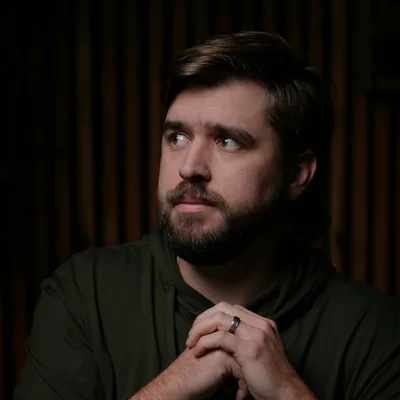
About Michael
I'm Michael, a mental health creator, recovered alcoholic, future therapist, and the host of Sober Psychology. After realizing how much of the traditional mental health conversation misses the mark, I decided to build a space dedicated to raw, unfiltered self-examination and personal healing. My approach combines psychological principles with brutal honesty and hard truths, cutting through the noise to help people navigate their own growth. No toxic positivity, no hidden shame—just real conversations about what it actually takes to heal.