Mental Health
196 episodes tagged "Mental Health".

You’re Not Burnt Out. You’re Just a Recovering ‘Good Kid’.
If you did everything right—got the grades, landed the career, stayed out of trouble—and still wake up every morning feeling like an exhausted fraud, this episode is for you. Millennial burnout isn’t a matter of poor time management or needing another mindfulness app. It's the structural collapse of a childhood identity built on "conditional approval." In this episode of Sober Psychology, Michael breaks down why high-achieving adults are crashing into middle age running on empty, combining developmental psychology, addiction science, and the spiritual cost of religious performance. ⚠️ Drop a comment below: What is the one boundary you are terrified of setting this week? 📚 CITED PSYCHOLOGICAL & THEOLOGICAL FRAMEWORKS: • Carl Rogers: Client-Centered Therapy & Conditions of Worth • Carol Dweck: Praised Intelligence vs. Growth Mindset • Alice Miller: "The Drama of the Gifted Child" • Gabor Maté: "The Myth of Normal" (Attachment vs. Authenticity) • Richard Schwartz: Internal Family Systems (IFS) Model • Biblical Reference: Luke 15:11–32 (The Elder Brother) & Galatians 3 🎙️ ABOUT SOBER PSYCHOLOGY: Hosted by Michael—a psychology student, sober dad, and recovering gold-star addict. Sober Psychology bridges clinical data, dark humor, and Christian theology to dismantle modern emotional neuroses.

Why Eldest Children Can’t Stop Fixing Everyone (And How It Destroys You)
If you're the eldest child, your nervous system wasn’t wired for rest—it was wired for bomb disposal. Somewhere between the ages of six and eleven, you realized that if you dropped the ball, the ceiling would cave in. You became the family's shock absorber: dampening the impact of marital fights, financial chaos, and emotional blowouts so the kids behind you wouldn’t get crushed. Now you're an adult, completely incapable of delegating, terrified of stillness, secretly resenting everyone around you for not working as hard as you do, and calling it "being responsible." In this episode of Sober Psychology, we pull the transmission out of Eldest Child Syndrome. We dissect the difference between instrumental and emotional parentification, unpack Dr. Bruce McEwen’s allostatic load and nervous system burnout, examine the older brother in Luke 15, and lay out an actionable 5-step protocol to finally resign as the self-appointed CEO of everyone else's life. Drop a comment: What was the exact moment in your childhood when you realized you had become the shock absorber? --- --- RESOURCES & REFERENCES MENTIONED: • Murray Bowen’s Family Systems Theory & Differentiation of Self • Dr. Stephen Porges’ Polyvagal Theory • Dr. Bruce McEwen: Allostatic Load and Stress Neurobiology • Gregory Jurkovic: "Lost Childhoods: The Plight of the Parentified Child" • Scripture References: Luke 15:11-32, Luke 10:38-42, Galatians 6:2-5, Exodus 18:13-27, Matthew 11:28-30 ---

What Cognitive Dissonance Does to a Drinker's Mind
The most destructive consequence of drinking isn’t always a dramatic rock-bottom mistake. It’s the constant micro-lies you tell yourself that slowly erode your self-respect and destroy your internal locus of control. When your daily actions clash with your core values, cognitive dissonance sets in. Hiding empty cans, chewing gum, or negotiating internal boundaries doesn't just fool others—it psychologically trains your subconscious to believe your own word is worthless, creating learned helplessness across your career, fitness, and relationships. Sobriety ends the exhausting mental bandwidth of cover-up operations so you can finally look in the mirror with total clarity and let your "yes" be yes, and your "no" be no. Drop a comment: What was the biggest internal lie you caught yourself telling before making a change?

Quitting Alcohol Reshapes Your Entire Nervous System
Quitting alcohol isn't just about glowing skin, morning workouts, or saving money on a bar tab—it completely restructures your nervous system and your character. When you strip away the chemical crutch you’ve used for emotional regulation, you stop running your brain on a continuous neurochemical deficit. In this breakdown, I look past the shallow wellness clichés to explore what clinical neuroscience, behavioral psychology, and biblical wisdom say about renewing your mind, breaking codependent dynamics, and walking with clear discernment. If you’re sober-curious, in early recovery, or tired of negotiating with a habit that under-delivers, you are not alone. Drop a comment: What has been the biggest mental or physical shift you've noticed without alcohol?

10 Brutal Truths About Quitting Alcohol (That Nobody Talks About)
The culture tells you that quitting alcohol is just about avoiding hangovers and saving money. That’s a lie. In this episode of Sober Psychology, host Michael breaks down the 10 hidden, neurobiological, relational, and spiritual transformations that occur when you finally put down the bottle. From the science of D2 dopamine down-regulation and the 3:00 AM cortisol rebound ("hangxiety") to the brutal pruning of superficial friendships and reclaiming your nervous system for your children, we dive deep into the clinical facts and Biblical wisdom the wellness industry won't tell you. Whether you're sober-curious, actively in recovery, or looking to understand the mechanics of human behavior, this episode delivers raw truth with zero sugarcoating. RESOURCES & SCRIPTURAL REFERENCES: • Polyvagal Theory in Therapy (Stephen Porges) • Cognitive Dissonance & Behavioral Economics (Festinger / Thaler) • Key Passages: Romans 12:2, 1 Peter 5:8, Proverbs 14:13, Ephesians 6:4

Why the Internet Turns Normal People Into Sociopaths
Why does arguing with a stranger online feel so toxic, exhausting, and completely detached from reality? The answer isn't just internet culture—it's evolutionary neuroscience. In real life, your brain relies on what Dr. Stephen Porges calls the Social Engagement System, governed by the myelinated ventral vagal nerve. When you sit across from a living human being, your nervous system runs an automatic background check called neuroception—reading facial micro-expressions, vocal warmth, and pupil dilation to de-escalate hostility and trigger empathy. When you flatten human communication down to 280 characters on a glass screen, you completely bypass that biological brake pedal. Your sympathetic nervous system redlines, dumping adrenaline and cortisol as if you're facing a physical predator—except you're just typing on a couch. Your prefrontal cortex flatlines, nuance dies, and you end up acting like a clinical sociopath trapped in a digital jar. Let's hear from you: Have you ever felt that physical adrenaline spike during a pointless online debate? How do you reset your nervous system? Drop your thoughts below!

Jordan Peterson Was Right: The Internet Rewards Psychopaths
Why does the internet reward cruelty while insulating bad actors from real-world consequences? In this episode of Sober Psychology, we unpack Dr. Jordan Peterson’s thesis that the digital landscape leaves psychopathic and sadistic traits completely unaccountable. Drawing from clinical research, evolutionary biology, Polyvagal Theory, and scriptural truth, Michael examines why removing physical proximity disables human empathy—and how the modern internet has resurrected ancient pagan scapegoating on an algorithmic scale. If you’ve ever felt the pull of digital rage, watched mob cancellations from the sidelines, or wondered why online discourse feels like constant war, this episode is a brutally honest diagnostic of the digital human soul.

Why We Love Criticism, Hate Praise
Why do we keep remembering insults for years while compliments fade away instantly? Learn the psychology behind this mental habit. This video examines the human brain and why insults stick so much longer than praise. If you have ever felt stuck replaying a negative comment in your mind while forgetting positive feedback, this breakdown explains the biological mechanism at work. We explore the concept of negativity bias and how it shapes our emotional memory. Understanding why we dwell on criticism allows you to recognize your own thought patterns. By identifying how your brain prioritizes negative input, you can start to balance your perspective and reduce the impact of past insults on your daily mood. 👇 Drop a comment below: What is one petty insult from years ago that your brain still refuses to forget?

Why You Think People Are Lying When They Praise You
Ever wonder why your brain is an impenetrable fortress against praise, but an open-door house party for criticism? 🧠💥 In 1957, Leon Festinger introduced Cognitive Dissonance Theory, explaining what happens when two conflicting beliefs collide. When someone compliments you ("Great job!"), it directly attacks your internal belief ("I’m a fraud"). Because both thoughts can’t occupy the same space without causing psychological pain, your brain takes the easy way out: it shoots down the compliment. Instead of doing the hard, uncomfortable work of updating your self-worth, your brain decides the person complimenting you is just lying, mistaken, or blind. You literally discredit their intelligence just to protect your comfortable narrative that you suck. 👇 Drop a comment below: When someone compliments your work, do you say thank you, or does your brain immediately find a reason they’re wrong?

Why Compliments Feel Like a Trap
Ever notice how hearing "great job" can make your stomach drop instead of making you feel proud? 🧠💥 When someone hands you praise, your brain registers an evaluative event. It doesn't just hear kindness; it hears: I am being watched, judged, and the bar has just been raised. To a survival-driven nervous system, raising the standard feels like buying a front-row ticket to failing tomorrow. We don't reject praise because we doubt the other person’s sincerity—we reject it because we fear the tax on future performance. Accepting a compliment feels like signing an invoice for expectations you aren't sure you can pay tomorrow. 👇 Drop a comment below: Do compliments motivate you, or do they immediately trigger pressure and high expectations?

Praise Demands Accountability | Brain Science
When someone gives you a compliment, your brain faces a split-second choice: do the hard, uncomfortable work of updating your self-image... or instantly destroy the praise by deciding they’re lying or mistaken. 🧠💥 In psychology, this is known as Self-Verification Theory. If you’ve spent years believing you are broken or unworthy, your brain would rather stay in predictable discomfort than deal with unpredictable kindness. As a sober dad, hearing "You're a good father" used to set off every alarm in my nervous system—because praise demands accountability. If you admit you're capable, you can no longer use your brokenness as an excuse. 👇 Tell me in the comments: What is your go-to deflection when someone tries to give you credit?

Your Amygdala on Compliments (Psychology)
Ever wondered why receiving a compliment instantly makes you feel on edge? 🧠💥 Pop psychology tells us that praise should immediately make us feel good, but brain imaging reveals a very different reality. If you grew up in an unstable environment, are recovering from an addiction, or deal with deep-seated performance anxiety, praise doesn't trigger warm feelings—it triggers your amygdala. Your amygdala is your brain's threat detection radar. It doesn't care about feeling good; its only job is keeping you alive. When compliments enter the system, your brain reads the shift as a potential threat. 👇 Drop a comment below: How does your brain handle praise? Do you accept it, or does your threat radar instantly go off?
How to Accept a Compliment Without Flinching
Ever wondered why an insult from 10 years ago stays stuck in your head, but a genuine compliment disappears from your memory bank by 4 PM? 🧠💥 In this clip, we break down the cognitive dissonance of praise—and why your brain would rather be predictably miserable than uncomfortably valued. When you deflect a compliment, you aren't being modest; you're actually rejecting someone else's generosity because believing in your own worth feels too uncomfortable. 👇 Drop a comment below: What's one insult you still remember, or a compliment you've struggled to accept?

This Is Why Gen Alpha Is Struggling
Handing an iPad to a dysregulated child isn’t co-regulation—it’s digital medication. 🧠👇 When parents use screens to soothe a child's discomfort (boredom, sadness, frustration, or fatigue), they condition a zero-tolerance threshold for distress. According to John Bowlby’s Attachment Theory, secure attachment forms when a calm, authoritative parent co-regulates a child's emotions through human connection. When you replace co-regulation with Cocomelon or Roblox, children learn that their internal state can only be altered by a digital stimulus. Is it any surprise Gen Alpha is facing unprecedented rates of pediatric anxiety and behavioral disorders? 💬 How do you handle tantrums without turning to screens? Let's talk about it in the comments below—I read and reply to every single one.

Gen Alpha's Brains Are Wired by Algorithms
Gen Alpha isn't just speaking slang—their brains are being rewired by hyper-optimized algorithms designed in Silicon Valley. 🧠👇 Psychologist Jean Piaget showed that children between ages 2 and 7 (the pre-operational stage) need physical play, object manipulation, and face-to-face interaction to build crucial executive functions. Replacing that with high-saturation, fast-cut screen time floods developing brains with evolutionary-unprecedented dopamine levels. To protect itself, the brain down-regulates dopamine receptors, leaving kids in a state of chronic irritability and unable to focus on low-dopamine tasks like reading or listening to a teacher. Taking an iPad away from a screaming child isn't just dealing with a behavioral phase—it's acute neurobiological withdrawal. Swiping a capacitive touch screen doesn't make a toddler a genius; it makes them a user. 💬 How have you seen screen dependency impact kids in your life? Drop your experience in the comments—I read and reply to every single one.

Is Gen Alpha Engineered for Distraction?
Shame is a lazy emotion—it makes you hide. Accountability makes you stand up. 🧠👇 We aren't here to wallow in parenting guilt or hand out cheap shame. Instead, we’re doing a cold, hard psychological and spiritual autopsy on what happens when convenience replaces presence in modern parenting. From screen addiction and collapsing attention spans in Gen Alpha to why teachers are quitting in droves—here is what’s really going on, and what a real psychological intervention looks like. Grab your coffee, drop your defensiveness, and let’s get sober about reality. 💬 What changes have you noticed in Gen Alpha’s focus and behavior? Let’s talk about it in the comments below!
You Don’t Owe Your Abuser Forgiveness
You can have 100% acceptance and 100% emotional processing with 0% forgiveness. 🧠👇 Let that sink in. You can completely accept that a parent or abuser was toxic, process every single drop of anger associated with it, build a thriving life, and never forgive them. That isn’t bitterness—that’s clarity. Real healing comes from processing reality and honoring your boundaries, not forcing fake absolution. 💬 Did you grow up being told you had to forgive to heal? Drop your experience in the comments—I’m reading and replying to as many as I can.

Forgiveness vs. Reconciliation: Know the Difference
Here’s the truth: Forgiveness is NOT reconciliation. Forgiveness is about your heart’s stance toward a debt—it’s a spiritual release. Reconciliation requires two trustworthy people. When someone remains unsafe, keeping a boundary as thick as a vault door isn't bitter—it's essential. Forgiving someone in your heart does NOT mean they get access to your life, your home, your kids, or your energy. Trust isn't granted through emotional manipulation; it is earned through sustained, verified, observable behavioral change over time. 💬 Where do you draw the line between forgiving someone and protecting your boundaries? Let me know in the comments below!

The Uncomfortable Truth About Forgiveness
Here’s an uncomfortable truth no one wants to admit: forgiveness is NOT a prerequisite for healing. 🧠👇 You do not need to absolve the person who broke you in order to repair yourself. For millions of people, forcing early or unearned forgiveness is the exact thing keeping them trapped in their trauma, sick in their body, and reaching for a drink at 5:00 PM. Real healing starts when you stop forcing fake absolution and start honoring your truth. 💬 Have you ever felt pressured to forgive someone before you were ready? Let me know in the comments below—I read and reply to every single one.

"Forgive For Yourself" Is a Lie
"Unforgiveness is like drinking poison..." is a cute quote for a wooden sign at Target, but biologically and psychologically? It's complete garbage. 🧠👇 Society pushes forced forgiveness because your rightful anger makes them uncomfortable. Telling you to "forgive for your own sake" is often just emotional cowardice wrapped in pop psychology—a way to force you to perform resolution so everyone else can go back to feeling comfortable. When you force forgiveness prematurely, you invalidate legitimate grief and create somatic illness in your own body. You don't owe anyone premature absolution. 💬 Have you ever felt pressured or spiritually gaslit into forgiving someone? Drop your experience in the comments—I’m reading and replying to every single one.

How to Finally Stop Rehearsing Arguments
True healing doesn’t mean forcing yourself to forgive—it means reaching total indifference. 🧠👇 When you face the grief without flinching and clean out the rot, the emotional fire inside you finally goes out. You stop checking on them, and you stop rehearsing arguments in the shower. They don’t get your love or your hate—they just become completely irrelevant to your future. Indifference through resolution is light-years healthier than fake, performance-based forgiveness or holding onto toxic resentment. 💬 Have you ever reached the point where someone who hurt you became completely irrelevant? Drop your experience in the comments—I’m replying to as many as I can.

The Lie About "Forgive & Forget"
You can have 100% acceptance and 100% emotional processing with 0% forgiveness. Here is why forcing forgiveness is keeping you stuck. 🧠👇 Real healing doesn't mean granting an abusive or toxic person absolution or access. Acceptance is a cognitive reality check, and processing is somatic and emotional digestion. When you do the heavy psychological lifting, you achieve total indifference—and that is lightyears healthier than fake, performance-based forgiveness. 💬 What’s your take on forgiveness vs. indifference? Drop your experience in the comments below—I’m reading and replying to as many as I can.

Refusing to Forgive Doesn’t Make You Bad
If you’re carrying guilt because you can’t forgive someone who crushed your spirit, hear me: you are not a bad person. Forcing forgiveness before you’re ready isn’t healing—it’s lying to yourself. Your refusal to fake it is your brain and soul protecting your boundaries. It’s time to stop chasing cheap absolution and start pursuing deep, radical acceptance. 💬 Has someone ever forced you to "forgive and forget"? Drop your thoughts in the comments below—I read every single one.

Stop Forcing Forgiveness. (How To Heal Without Excusing Them)
"Forgive and forget" is one of the most overused, emotionally lazy pieces of advice in modern history. But what if forcing yourself to forgive prematurely is the exact thing keeping you trapped, sick, and reaching for a coping mechanism at the end of the day? In this episode of Sober Psychology, we dismantle the "Forgiveness Industrial Complex." We look at clinical trauma literature, the neuroscience of emotional suppression, and what the Bible ACTUALLY says about conditional forgiveness vs. unconditional acceptance. ⚠️ WARNING: This episode is not a hall pass to sit on the couch and nurse toxic resentment. Active bitterness will ruin your life and destroy your recovery. We break down the non-negotiable psychological work required to achieve 100% emotional peace WITHOUT ever needing to absolve the person who broke your trust. In this episode, we cover:

Why Gen Z Uses Diagnoses as Shields
In clinical psychology and the DSM-5, a diagnosis is simply a tool used to map a path toward healing and recovery. It was never meant to be a badge of honor or a shield against personal accountability. Lately, we've seen diagnoses transformed into permanent identity markers. Saying "I can't show up because my anxiety is flaring" or "I can't finish this project due to executive dysfunction" confuses an explanation with an excuse. Let's apply some brutal honesty: a diagnosis may be an explanation for your behavior, but it is NEVER an excuse for a lack of character. In recovery, we have a core saying: It’s not your fault that you’re an addict, but it IS your responsibility to get sober. It feels like an entire generation has mastered the art of assigning fault, but remains terrified of accepting responsibility. It's time to put down the shields and take your agency back. 💬 What is a diagnosis or term you frequently see people hide behind today? Drop your perspective in the comments—I read and reply to everyone! If you appreciate unfiltered psychological breakdowns that combine clinical data, recovery truths, and real-world agency, hit that Like button and Subscribe to the channel!

Pop Psychology vs. Clinical Reality
Over the last few years, we've seen a massive trend: the weaponization of clinical terminology to justify basic selfishness and emotional avoidance. In this clip, I’m translating four of the most overused "therapy speak" terms from Pop Psychology back into Clinical Reality: ○ Setting a Boundary: Pop psychology treats this like cutting off anyone who inconveniences you. Clinical reality: It’s a rule for YOUR OWN behavior to keep you safe, not a mandate to control others. ○ Gaslighting: Pop psychology uses it when someone remembers an argument differently. Clinical reality: A systematic, malicious tactic of psychological abuse designed to erase your reality. ○ Trauma: Pop psychology labels any uncomfortable or embarrassing moment as trauma. Clinical reality: A profound rupture that completely overwhelms your nervous system's capacity to cope. ○ Narcissist: Pop psychology calls every selfish ex a narcissist. Clinical reality: A pervasive, severe personality disorder defined by a total lack of empathy. 💬 Which of these four terms do you hear misapplied the most in everyday conversations? Drop your thoughts below—let's discuss! If you appreciate unfiltered psychological breakdowns that cut through pop culture fluff, hit that Like button and Subscribe to the channel!

The Dark Psychology Behind Why Gen Z Is So Lonely
Gen Z isn't broken by nature—they were hyper-engineered by design. In this episode of Sober Psychology, I'll break down the cultural, clinical, and spiritual forces that created Gen Z's unique mental health crisis. We cut through the generic rants and coddling narratives to explore how algorithm addiction, the weaponization of "therapy speak," and the loss of objective truth created an unprecedented generation of lonely, hyper-individualistic young people—and how they can actually recover. LISTEN & SUBSCRIBE: Spotify: https://open.spotify.com/episode/0T1delj7mwdslTgw1nizxf?si=IONx4xnyQECeH47zcyCQJw Apple Podcasts: https://podcasts.apple.com/us/podcast/sober-psychology/id1777634414 ABOUT SOBER PSYCHOLOGY: Hosted by Michael—a psychologist-in-training, sober dad, and recovery advocate. Sober Psychology is an unvarnished exploration of human behavior, mental health, and spiritual reality. We break down complex psychological principles, challenge modern cultural lies, and look at human healing through both clinical data and Biblical truth. DISCLAIMER: The content provided in this video is for educational, informational, and entertainment purposes only and does not constitute clinical psychological or medical advice. If you or someone you know is struggling with mental health or addiction, please reach out to a licensed professional.

DON'T Sign That Rehab Paperwork Yet!
Before you or a loved one signs a single insurance form or financial agreement with a rehab facility, you need to know what to look for. Modern addiction treatment is filled with incredible, life-saving sanctuaries—but it's also flooded with corporate financial vultures hiding behind slick marketing websites and glossy promises. In a crisis, making a blind decision based on an ad can cost you tens of thousands of dollars without actually getting you or your family member the real-world clinical care required for lasting recovery. I’m breaking down the exact operational framework and diagnostic tools you need to vet any treatment facility like a clinical professional before committing your time, money, and health. 💬 What's the biggest red flag you’ve noticed when searching for healthcare or treatment facilities? Let's talk about it in the comments below. If you found this operational framework helpful, hit the Like button and Subscribe for more honest, unfiltered breakdowns on psychology, mental health, and institutional systems.

They See a Human As a $10K Check
Ever wonder how a predatory rehab facility actually views a human being struggling with addiction? They don't see a person drowning in alcohol or fentanyl—they see an insurance policy with legs. Inside the recovery industry, there is a dark corporate practice known as the "Florida Shuffle" or "body brokering." Aggressive marketing companies buy up top Google Ads for vulnerable terms like "addiction help" or "suicide hotline." When a desperate mom calls that number in a moment of absolute panic because her son is overdosing, that call doesn't go to a local crisis center. It is routed straight to a boiler room call center in Miami or Orange County. From there, your crisis is sold to the highest-bidding rehab facility for a quick commission check ranging from $5,000 to $10,000. This isn't healthcare; it's a predatory trading floor operating under the guise of clinical care. We need to expose these broken systems so people can find real, ethical avenues to healing. 💬 How do we fix a recovery system that treats human lives like commodities? Let's start the discussion in the comments below—I read and reply to everyone. If you want raw psychological breakdowns that challenge the institutional status quo, hit that Like button and Subscribe to the channel!

If Mechanics Acted Like Rehabs...
If a mechanic did this, you’d call the police immediately. Why do we tolerate it from the addiction treatment industry? Let's talk about the broken metrics of rehab. Imagine paying $50,000 to fix your car's engine, only for the garage to tell you there is a 60% chance it explodes three weeks after you leave. And if it does? You have to pay them another $50,000 to fix it again. You wouldn’t just walk away—you’d call the Attorney General and flag it as blatant financial fraud. Yet, this exact structure is how the mainstream rehabilitation loop operates every single day. We're charging premium prices for a clinical framework that fundamentally fails to prepare people for real-world exposure, and then charging them again when the inevitable happens. 💬 Is the modern rehab system fundamentally broken, or is there a piece of the puzzle we're missing? Drop your thoughts in the comments below—I read and reply to every single one. If you want raw psychological insights that challenge the mental health status quo, hit that Like button and Subscribe to the channel!

They Blame You For Their Broken System
Ever feel like the very systems designed to heal you are actually gaslighting you into staying dependent? Let's expose the dark side of modern rehabilitation and the psychiatric-industrial complex. Too often, institutional systems pathologize normal human suffering, turning situational distress into a permanent identity. Instead of looking at root causes—like your environment, lifestyle, or structural trauma—the system can resort to "clinical gaslighting." They convince you that the problem is entirely a "chemical imbalance," using medication as a chemical muzzle rather than offering a path to true psychological freedom. This isn't healthcare; it's institutionalized avoidance. They train you to become codependent on the system itself instead of teaching you how to build genuine distress tolerance and walk away. True healing requires seeing through the institutional narrative, breaking free from the cycle, and reclaiming your radical personal agency. 💬 Have you ever felt dismissed or gaslighted by a medical or therapeutic system? Drop your experience in the comments—let’s talk about how the system really operates. If you’re ready for raw, unfiltered psychological truths that challenge the status quo, hit that Like button and Subscribe to the channel.

Why Jesus Didn’t Validate His Trauma
Ever wonder why we actively hold onto the things that break us? Let’s break down the hidden psychology behind one of the most intense questions ever asked: "Do you want to be healed?" For 38 years, this man’s paralysis wasn't just a physical condition—it had become a profound psychological crutch. When absolute freedom stood right in front of him, he didn’t give a straight "yes." Instead, he immediately rattled off a list of systemic excuses, blaming his environment and his lack of support. What Jesus does next is a clinical masterclass in radical personal agency. He doesn’t validate the excuses, dive into a 30-minute trauma assessment, or offer comfort. He gives a direct command: "Get up, pick up your mat, and walk." The clinical brilliance here is deep. The mat was the literal symbol of his helplessness. By forcing him to roll it up and carry it, Jesus ensured he could never use it as a safety net to return to that pool again. True, biblically sound, and psychologically whole healing requires you to realize that no human institution is going to save you. It’s time to take radical accountability, pick up your mat, and start walking through real life. 💬 What is the "mat" you are refusing to pick up today? Let’s talk about it in the comments below. If this challenged your perspective, hit that Like button and Subscribe for more deep dives into behavioral psychology, faith, and mindset shifts.

70% Better Way to Stay Sober
Does 30-day isolated rehab actually work? 🧠 The science says we've been looking at addiction recovery completely wrong. A landmark study published in the American Journal of Psychiatry evaluated severe substance use disorders and found that high-intensity, 30-day isolated inpatient stays show poor long-term results without structured aftercare. Instead, individuals who received consistent, long-term continuity of care—like regular outpatient check-ins, intensive cognitive restructuring, and community accountability groups—had a 70% higher probability of maintaining sobriety at the 12-month mark. True healing doesn't happen in isolation on a mountaintop in Malibu; it happens when you learn to live cleanly inside the chaos of your actual everyday life. 👇 Let's talk in the comments: Have you or a loved one experienced the shift from isolated treatment to everyday community aftercare? Let's discuss. If you want more evidence-based breakdowns on the intersection of therapy, addiction, and human behavior, hit LIKE, leave a COMMENT, and SUBSCRIBE!

Millennials vs Their Fake Selves (Role Confusion Explained)
Did early social media completely hijack your identity formation? 🧠 As Millennials, our adolescence collided with the single most disruptive technological shift in human history: the birth of the consumer internet. We remember the world before the algorithms, but we were young enough to have our psychological development permanently altered by them. Right when we were supposed to be navigating Erik Erikson’s crucial developmental stage of Identity vs. Role Confusion, we were handed digital mirrors. Identity stopped being forged through real-world trial, error, and physical friction. Instead, it became an asset to be curated, edited, and optimized for public consumption. We traded the validation loop of childhood participation trophies for a dopamine machine of likes, comments, and follower counts. The clinical reality check? We didn’t learn how to develop a stable sense of self—we learned how to maintain a digital brand. And when that curated brand clashes with your chaotic internal reality, the resulting cognitive dissonance manifests as chronic, low-grade anxiety. 👇 Let me know in the comments: Do you feel the tension between your true self and your digital brand? Let’s talk about it. If this psychological breakdown hits close to home, make sure to LIKE, drop a COMMENT, and SUBSCRIBE to the channel for more raw insights!

How Participation Trophies Ruined a Generation
Did participation trophies actually destroy our authentic confidence? 🏆 Let’s talk about the psychological experiment of "self-esteem parenting." When we decouple praise from actual competence, a child doesn't develop real self-assurance. Instead, they build a fragile, insatiable dependence on external validation. In this short, I break down how the shift from intrinsic motivation (doing something for internal mastery) to extrinsic motivation (doing it purely for the gold star or applause) turned an entire generation into praise junkies. 👇 Drop your thoughts in the comments: Did participation trophies do more harm than good, or are they blamed too much? Let's discuss. If you like deep dives into human behavior and generational dynamics, make sure to hit LIKE, leave a COMMENT, and SUBSCRIBE!

Why This Slack Message Gives You Panic Attacks
Ever completely spiral over a Slack message from your boss saying, "Hey, do you have a minute to talk later?" 😬 That isn't just normal stress—that’s your childhood attachment machinery in motion. In this short, I unpack how the hyper-involved, "helicopter parent" style of parenting popular in the Millennial childhood years inadvertently bred an anxious-preoccupied attachment style on a generational scale. Because emotional validation was tied heavily to performance and achievement, many of us grew up externalizing our internal scaffolding. The moment a manager sends a vague text, the brain instantly predicts catastrophic failure or abandonment. 💬 Let’s talk in the comments: Do you get instantly anxious when your boss asks to chat, or have you managed to build up your own internal scaffolding? If this psychological breakdown resonated with you, hit that LIKE button, drop a COMMENT with your thoughts, and SUBSCRIBE for more deep dives into generational psychology!
How Millennials Weaponized Psychology
Are we using psychological terms to avoid accountability? We break down why common labels like executive dysfunction and gaslighting are increasingly used to reframe personal habits and relationship issues. This analysis examines the fine line between understanding mental health and using diagnosis as a defense mechanism. Have millennials taken "therapy speak" too far? 🧠 In this video, I break down how an entire generation has wrapped the world in clinical terminology—sometimes using it as a shield to avoid the liberating weight of personal accountability. From re-labeling bad habits as "executive dysfunction" to calling normal relationship friction "gaslighting," let's look at how the dictionary of psychology is being weaponized. What’s your take? Is this genuine self-awareness, or have we just found a clever way to avoid discomfort? Let me know in the comments! 👇 If you enjoyed this psychological deep dive, make sure to LIKE, COMMENT, and SUBSCRIBE for more!
Why Protecting Your Comfort Is Making You Fragile
What if the secular obsession with protecting your comfort, guarding your time, and hoarding your emotional energy is actually the exact thing making you fragile? Let’s break down the deep psychological reality hidden within Matthew 16:25: "For whoever would save his life will lose it, but whoever loses his life for my sake will find it." From a clinical psychology perspective, this isn't just theology—it is the definitive answer to the ego problem. The word "ego" literally translates from Latin to mean "I." When your entire universe shrinks down to protecting that "I," you enter a chronic state of psychological hypervigilance. You become hypersensitive to offenses, deeply fragile, and end up turning your own mind into a prison. True psychological freedom requires a deliberate sacrifice. The moment you choose to step out of your comfort zone and carry someone else's cross, you break the chains of self-absorption. You don't lose yourself; you accidentally discover exactly who you were always meant to be. Stop hoarding your energy and start pouring it out. Are you currently trapping yourself in an ego loop? Let's have an honest conversation in the comments below. If you are tired of shallow self-help and want raw, unfiltered insights into psychology, faith, and human behavior, smash that Subscribe button, like this Short, and let’s keep changing the framework together.
Serve Others Even When You’re Broken
We live in a culture absolutely obsessed with self-care, self-optimization, and self-preservation. And yet, we are the most anxious, depressed, and isolated generation in human history. Clearly, the current formula is broken. You can't heal yourself by yourself. The ultimate paradox of psychology is that your healing is fundamentally wrapped up in the healing of the person sitting next to you. Stop waiting until you feel perfectly happy, perfectly stable, or perfectly holy to start serving other people. Do it broken. Do it tired. Do it when you're mad. The moment you throw yourself into the service of others, you’ll look down and realize your own wounds stopped bleeding while you were busy bandaging someone else’s. Get out of your own way. Stop treating your mind like a shrine and start treating it like a tool. Find someone carrying a heavier rock than you are, and offer to hold half of it. Go show up for someone else today—your life literally depends on it. Are you ready to drop the self-care trap and find real connection? Let me know your thoughts in the comments below. If you're done with the generic self-help fluff and want raw, unfiltered insights into psychology and human behavior, smash that Subscribe button, like this video, and let's change the framework.

Fix Your Life By Helping Someone Else
When you stop looking outward and lock yourself inside your own head, you aren't just isolating—you’re trapped in a room with a clinical psychopath: your own ego. Today, we are breaking down the absolute paradox of the human brain: why the fastest way to fix your own broken life is to go fix someone else's. We're diving deep into the science and the soul of human behavior: • The Neurobiology: How your brain chemistry physically shifts away from survival threat-monitoring when you stop focus-locking on your own problems. • The Psychological Data: The empirical proof that active altruism works to dismantle internal anxiety loops. • The AA Big Book Reality: The raw, time-tested framework of working with others to maintain long-term recovery and sanity. • Biblical Theology: The intentional design of a life engineered to look outward rather than inward. Grab your coffee, drop the ego, and let’s get into why serving others is quite literally the only way you stay alive. Are you feeling trapped in your own ego loop right now? Let me know your thoughts in the comments below. If you're ready for brutal honesty, raw truths, and deep psychological breakdowns without the sugarcoating, smash that Subscribe button, hit like, and let's keep operating.

Why Helping Others is Actually Selfish
What if I told you that the most effective tool to cure your daily anxiety costs zero dollars, requires no prescription, and is completely selfish? From an evolutionary standpoint, the human brain treats isolation like a literal death sentence. The moment you isolate and enter that dark, introspective loop where your entire universe shrinks down to your own trauma, frustrations, and flaws, your amygdala goes into overdrive. It sounds the alarm because it thinks you're in danger. But the second you shift your focus to helping another human being, your brain chemistry changes instantly. When you provide value to someone else, your brain floods your system with: ○ Dopamine: The same reward system exploited by drugs, alcohol, and social media scrolling—except this time, it's sustainable. ○ Oxytocin: The bonding molecule that actively lowers cortisol (your primary stress hormone) and decreases cardiovascular stress. ○ Endorphins: Creating what we clinically call the "helper's high." The human brain doesn't heal in isolation. Helping others is a biological mandate to stay healthy. If you wrap your arms around yourself and refuse to reach out, you will shut down. Are you using isolation to cope, or are you ready to unlock the helper's high? Let me know your thoughts in the comments below. Smash that Subscribe button, like this video, and let's start breaking the cycle of numbness together.

That Hard Upbringing Actually Damaged You
Is your obsession with self reliance actually just emotional numbness?We often wear our childhood toughness as a badge of honor, but refusing to ask for help might be holding you back. This breakdown separates true strength from the performative resilience that keeps us isolated and stuck. Gen X loves to wear self-reliance like a badge of honor. You’ve all seen the social media memes: "We drank from the garden hose, rode bikes without helmets, stayed out until the streetlights came on, and we turned out just fine." Let me be brutally honest with you here: You didn’t turn out fine. You turned out numb. We need to have a serious conversation about the massive difference between true psychological resilience and emotional flattening. When you brag about your parents not knowing where you were for 12 hours a day, you aren’t flexing a badge of honor. You're actively normalizing a childhood defined by chronic hypervigilance. It’s time to stop laughing at the memes and start looking at the psychological fallout of being left to survive on your own. Are you actually resilient, or did you just learn how to completely shut down your emotions? Drop your real, unfiltered thoughts in the comments below. If you're ready to stop romanticizing generational patterns and tackle the hard psychological truths of how we grew up, hit that Subscribe button, smash the like button, and let's keep breaking down the grey zones of modern behavior. 🔗 Join our community as we dissect generational trauma and mental health: https://discord.gg/WdVVUtjKa ⚠️ EDUCATIONAL DISCLAIMER: I am a psychologist in training, not a licensed clinical therapist or psychiatrist. This content is intended strictly for educational, cultural critique, and self-reflection purposes.

The Coping Mechanism That Nearly Destroyed Me
When a dark voice in your head keeps getting louder, telling you that you aren’t okay, the default human instinct is to find a quick way to mute it. Chasing an escape with things like t^quila and coc*ine might act as temporary "mood amplifiers," but they only worsen your trajectory. They might silence the struggle for a night, but they always return with a higher price tag—demanding you drink more, take more, and numb more just to survive your own thoughts. True, lasting joy can't be bought in a bag or found at the bottom of a bottle. It requires stepping out of the cycle of self-medication and grounding yourself in a real, foundational source of healing. Let's stop running from the internal battles. Drop a comment below with your thoughts on breaking the loop of addiction. If you are ready for unfiltered, honest conversations about mental health and recovery, hit that Subscribe button, like this video, and join the community.

The Ultimate Weapon Against Narcissists
Stop draining your energy on people with a false self. Learn why confronting fake personalities rarely works and how to protect your peace instead. This approach focuses on the gray rock method to effectively disengage from unnecessary drama without escalating conflicts. Start setting boundaries today by becoming uninteresting to those seeking your supply. When dealing with a fake person, trying to rip their mask off or screaming at them will only backfire on you. Underneath all that performance, there is nothing but a terrified child. I want to give you a powerful tactical maneuver to protect your mental health: The Grey Rock Method. Instead of feeding their need for chaos, you become completely uninteresting, unresponsive, and as boring as a grey rock. When they trauma dump, you give a flat reply. When they look for validation, you just nod and change the subject. By providing absolutely zero supply of drama, you break their loop. Fake people feed on reaction, and when you stop supplying it, they will quickly wander off to find an easier target. Are you ready to stop letting toxic people control your emotional state? Hit that Subscribe button to join the community, leave a comment below if you've ever had to use this method, and share this video with someone who needs to protect their peace today!

The Shocking Data About Men Under 30
Are we starving for connection in the modern dating market? This video breaks down the visual metaphor of why intimacy feels fake today. We explore the stark contrast between authentic connection and the hollow cycle of pornography-driven interactions. Imagine a world where everyone is starving to death, but everyone is holding a plastic picture of a hamburger—chewing on the plastic, licking the photo, and screaming, "Look at me, I'm eating!" That is the exact state of modern intimacy. I look at the cultural shifts we are experiencing daily, and the data is deeply concerning. We're currently living through the most sexually stimulated generation in human history. We have high-definition 4K pornography and dating apps that offer access to thousands of singles within a 5-mile radius right in our pockets 24/7. And yet, the reality is a complete paradox. According to data from the General Social Survey, the number of men under 30 who have had zero sexual partners in the last year has nearly tripled within the last decade. We are locked in a literal sex recession. You aren’t having sex, and you aren’t falling in love. You are just swiping, interacting with digital pixels of people who don't even know you exist, and calling it dating. It’s time to stop trading real human connection for hyper-stimulated illusions. Are we losing our capacity for real intimacy? Drop your honest thoughts in the comments below. If you're ready to break the digital loop and look at the raw truth of modern relationships, hit that Subscribe button, like this video, and let's change the framework.

Stop Falling For This Trauma Bond Hack!
Ever met someone at a coffee shop or a networking event, and within 20 minutes they’re dumping their deepest childhood trauma on you? You might think, "Wow, they're so open!" But the truth is, you aren’t experiencing a deep connection—you're being emotionally pickpocketed. Pop psychology has spent the last decade telling us that vulnerability is the ultimate virtue. Don't get me wrong: in a healthy, covenanted relationship with your spouse—the kind of foundation my wife Skylar and I have had to work hard to build through the fire of recovery—vulnerability is the absolute glue. But fake people use weaponized vulnerability as a psychological hack. It is a calculated shortcut designed to bypass the hard work of trust-building and immediately lock you into a trauma bond. By vomiting their trauma onto you, they force you into the "rescuer" role on the Karpman drama triangle, using their pain as currency to buy your loyalty without ever earning it. Even from a biblical perspective, true vulnerability requires a covenant. Jesus didn't share His deepest agony in the Garden of Gethsemane with the crowds; He shared it strictly with His three closest friends. Proverbs 4:23: "Above all else, guard your heart, for everything you do flows from it." A fake person has no guards at the gate. They will flash their deepest wounds to anyone immediately because they have no core identity left to protect—their trauma is their personality. Stop playing the rescuer for people who use their past to manipulate your present. If you're ready to stop trading your boundaries for cheap intimacy, hit that Subscribe button, drop a comment with your thoughts below, and let's keep breaking down the truth together!

Bed Rotting vs. True Rest: The Big Difference
Is your bed rotting habit actually a trauma response? Stop confusing exhaustion with recharging. Many people think they're resting when they're actually shutting down due to overwhelm. This video breaks down the difference between true recovery and dissociation so you can finally feel energized again. When you're completely overwhelmed by trauma or life, and you can't fight it or run from it, your body hits the emergency brake. You become a possum playing dead. That’s "bed rotting"—and it is not true rest. I see this loop all the time. When you're rotting in bed, you aren't relaxed. Your heart rate might be low, but your internal system is stuck in a trauma response. You're disassociating because you're hiding from the world. True rest recharges you so you can return to the world; bed rotting consumes your energy because you're terrified of it. If you lie in bed for 6 hours and feel worse, it's because you're messing up your circadian rhythm. Doing this in a dark room with the curtains drawn tells your brain the apocalypse has arrived! Your biology demands a fix: you need morning sunlight hitting your eyes. This isn't woo-woo hippie nonsense; it’s lab-level science. Sunlight signals your suprachiasmatic nucleus (SCN) to trigger a morning cortisol spike. That spike isn't bad—it's your biological "get up and go" signal that resets your internal sleep timer for 16 hours later. Are you actually resting, or are you just hiding? Let me know your thoughts in the comments. Hit that Subscribe button, like this video, and let's start breaking the cycle of numbness together. 🔗 Dive deeper into the psychology of rest with our community: [Link to Discord Server/Full Episode]
You’re Addicted. You Just Don't Know It.
Is scrolling Instagram reels just as harmful as morning drinking? We explore why society ignores digital habits while labeling other behaviors as addiction. This breakdown examines the double standard behind how we define problematic behavior today. If you have ever felt trapped by endless scrolling, this perspective on modern addiction definitions is for you. This concept is laid out beautifully by Dr. Anna Lembke in her book Dopamine Nation. Don't pause this video to go buy it right now, though—that would absolutely wreck my watch time retention! Just check it out later. If you're ready to stop numbing the pain and start understanding the why behind your habits, hit that Subscribe button, drop a comment with your screen time reality below, and let's change how we look at mental health.
Are ADHD meds just chemical muzzles?
Are we over-diagnosing with expanded DSM criteria? This breakdown examines why the definition of mental illness keeps widening and the potential risks of prescribing potent narcotics to children for behavioral management. If you are concerned about modern psychiatric practices, this analysis provides a critical perspective on the medical establishment. We're handing 7-year-old boys Schedule 2 narcotics chemically identical to street meth, and slapping 14-year-olds with SSRIs the exact second they face a high school breakup. Why? Because normal human development has become inconvenient to the adults in the room. On this channel, we don't hold back from the hard truths. A 7-year-old boy is biologically wired to run, climb, wrestle, and explore—his brain literally requires kinetic movement to develop properly. Instead, the system traps him in a plastic chair under fluorescent lights for 8 hours a day. When his nervous system naturally rebels against this unnatural environment, we don't fix the environment; we chemically muzzle boyhood with stimulants. It doesn't stop there. We push antidepressants onto teenagers dealing with the normal hormonal turbulence of puberty. By doing this, we steal their neuroplasticity and rob them of the vital transition where they learn to build real distress tolerance. If you numb a child through their most critical developmental years, they will wake up at 25 with the emotional resilience of a toddler, entirely dependent on a pill just to handle a traffic jam. We're using psychiatric drugs as a corporate band-aid for structural failures. It’s time to stop medicating childhood and adolescence. If you're ready for brutal honesty and want to protect the next generation's true mental resilience, smash that Subscribe button, drop your raw thoughts in the comments, and share this video to break the silence. ⚠️ CRITICAL MEDICAL DISCLAIMER: I am a psychologist in training, not a psychiatrist. This content is for educational and social commentary purposes only. Never start, stop, or alter any prescribed psychiatric medication or medical treatment without direct supervision from a licensed medical professional. Stopping stimulants or SSRIs abruptly can cause severe withdrawal and central nervous system shock.

How your childhood made you hyper-independent
This video explores the experiences of the "latchkey generation," specifically Gen X and older millennials, who often spent more time being raised by others than their parents. From an attachment theory perspective, when parents prioritize self-discovery over home stability, children can develop an anxious attachment style. We discuss the impact of this on childhood trauma and child development. How many of you spent more time being raised by your grandparents, a babysitter, or a housekeeper than your actual parents? If you are a Gen X-er or an older Millennial who grew up as a latchkey kid, attachment theory explains a lot about how you navigate your adult relationships today. When a parent prioritizes their own self-discovery over the stability of their own home, the child often develops an anxious or avoidant attachment style. Here is how to spot the difference: ○ Anxious Attachment: Driven by a core fear of abandonment, resulting in a high need for intimacy and a constant craving for reassurance. ○ Avoidant Attachment: Driven by a core fear of losing independence, ultimately leading to emotional detachment and a constant need for space. We're diving deep into these generational dynamics to understand our past and heal our future. Which style sounds more like you? Let me know your experiences in the comments below! If you're ready to break down the psychology of your childhood and build healthier relationships, hit that Subscribe button, like this video, and share it with a fellow latchkey kid who needs to hear this. ⚠️ EDUCATIONAL DISCLAIMER: I am a psychologist in training, not a licensed therapist or psychiatrist. This content is created for educational, self-reflection, and awareness purposes only. It is not a substitute for professional clinical therapy.

When A Boundary Feels Like An Attack
This video explores the battleground of "setting boundaries" within family relationships, especially when facing resistance from boomers. It highlights how therapy speak, when used to assert personal space, can be met with strong reactions, often due to differing family dynamics and an underlying belief that compliance equals love. We discuss the impact of emotional manipulation and enmeshment in family systems, where emotional boundaries are often blurred. Ever noticed how angry some Boomer parents get the exact second you start using "therapy language"? I see this look all the time. When you say, "I’m setting a boundary" or "I need to protect my peace," their amygdala completely hijacks their brain. They mock therapy and call our generation weak. Why? Because in their psychological framework, compliance equals love. In psychology, we call this enmeshment. In an enmeshed family system, there are no emotional boundaries—if Mom is angry, everyone has to be angry. You aren't viewed as an independent human being; you’re an extension of their ego. A prop in their movie. When you finally go to therapy, learn how to individuate, and say, "No, I'm not coming to Thanksgiving because that environment is toxic," they don't hear a healthy adult making a choice. They hear a total rejection of their entire existence. Your peace is more important than their preference for compliance. Stop apologizing for breaking the enmeshment. If you're ready to break generational patterns and protect your peace, hit that Subscribe button, drop a comment with your own family experiences below, and let's keep changing the conversation. ⚠️ DISCLAIMER: I am a psychologist in training, not a licensed therapist or psychiatrist. This content is for educational and self-reflection purposes only. If you are dealing with severe family trauma or crisis, please seek the guidance of a licensed clinical professional.

How Big Pharma Turned Love Into a Disease
Did you know that if you grieve the loss of a loved one for more than two weeks, the medical system can legally classify you as mentally ill? The unsettling truth is that the people who write the psychiatric manual (the DSM) often have massive financial ties to the very pharmaceutical companies manufacturing these drugs. In older versions of the manual, the "bereavement exclusion" protected you. It recognized that if your spouse or child died and you were deeply depressed, you weren't broken—you were a human being experiencing natural grief. But in the DSM-5, they removed that exclusion. Now, two weeks of sleeplessness and weeping after a devastating loss means a doctor can hand you a chemical prescription. They didn't cure a disease; they pathologized love. They corporate-sponsored the normal human response to loss just to expand their market share. To them, you aren't a patient. You're a customer. Let's stop letting corporate metrics define human emotion. Hit that Subscribe button, drop your thoughts in the comments, and like this video to help expose the monetization of human suffering. ⚠️ CRITICAL MEDICAL DISCLAIMER: I am a psychologist in training, not a psychiatrist. This video is intended strictly for educational, social science commentary, and awareness purposes. Never alter, stop, or start any psychiatric medication or medical treatment without direct supervision from a licensed medical professional.

How SSRIs Can Quietly Kill Your Emotions
The video discusses the effects of SSRIs, questioning if they act as a "chemical lobotomy." The speaker states that SSRIs do not cause weight gain or sexual dysfunction but can lead to emotional numbness. They describe the experience of long-term SSRI users as feeling "flat," where the medication raises the emotional floor but lowers the ceiling, highlighting common antidepressant side effects. This raises important questions about depression medication and psychiatry. The harsh reality of this medication is that while it successfully raises your floor to keep you out of the darkest depths, it simultaneously lowers your ceiling—cutting you off from real human happiness. It’s a subtle, chemical lobotomy that trades your lowest lows for a permanent state of numbness. Are you or a loved one trapped in the grey zone? Let's talk about it in the comments below. Hit that Subscribe button to join the community as we look at the raw truth behind modern psychology, and share this video to help someone else find clarity today. ⚠️ CRITICAL MEDICAL DISCLAIMER: I am a psychologist in training, not a psychiatrist. This content is for educational and awareness purposes only. Never stop, start, or alter your psychiatric medication without direct guidance from a licensed medical professional. Abruptly halting SSRIs can cause severe central nervous system shock and withdrawal.

15 Minutes to Change Your Brain?
We often overlook how destructive coping mechanisms, like alcoholism, are paralleled in the medical system. When someone feels empty and receives an SSRI prescription without therapy, it's not truly healthcare; it's a sanctioned avoidance behavior. This system, often subsidized by health insurance, highlights the problematic approach to mental health, where medicine becomes a quick fix rather than addressing root causes. As someone deep in the study of psychology on the path to becoming a therapist, I want to look at this clearly. It isn’t healthcare. It is the exact same mechanism of avoidance. The only difference is that one is sanctioned by a doctor and subsidized by your insurance company. We’ve swapped finding real, root-cause healing for doctor-approved numbing. If you're ready to stop trading your deep human emotions for a subsidized quick-fix, let's change the conversation. Hit that Subscribe button, drop a comment with your own experience below, and like this video to help push this message through the algorithm to someone who needs to hear it today. ⚠️ CRITICAL MEDICAL DISCLAIMER: I am a psychologist in training, not a psychiatrist. This video is strictly for educational and analytical purposes. Never stop, start, or alter any prescribed medical treatment or psychiatric medication without the direct supervision of a licensed healthcare professional.

You Aren't Crazy. It’s Akathisia.
How does a drug meant to save someone make them want to die? In psychology and neurology, there is a horrific, drug-induced state of extreme inner restlessness called Akathisia. It feels like your nervous system is plugged directly into a wall socket—an agonizing, unbearable urge to crawl out of your own skin. Michael here. When a deeply depressed person starts an SSRI, the alleged mood-boosting effects can take weeks to kick in, but the chemical agitation of akathisia can start immediately. This combination tragically gives a hopeless person the artificial, chemical energy required to execute a suicide plan, driven by the literal torture happening inside their own body. They aren’t escaping their depression; they are escaping a chemical torture chamber. We need to bring this dark side of pharmaceutical medication to light. If you want to dive deeper into the unfiltered truth of modern medicine and mental health with me, hit that Subscribe button, drop your thoughts in the comments, and share this video to spread awareness. ⚠️ CRITICAL MEDICAL DISCLAIMER: I am a psychologist in training, not a psychiatrist. This video is for educational purposes only. Never stop, start, or alter any psychiatric medication without direct supervision and guidance from a licensed medical professional. Abruptly stopping SSRIs can cause severe withdrawal and central nervous system shock.

Why meds won't fix your terrible life
We've turned normal human suffering into a diagnosis — and it's costing us our lives. 💊 If you hate your job, your marriage is failing, and you can't sleep — you don't have a serotonin deficiency. You have a terrible life, and your body is sounding the alarm. Medicating that alarm is like taking the batteries out of your smoke detector while your kitchen is on fire. 🔥 I'm Michael, and on the Sober Psychology Podcast I have honest conversations about mental health, men's struggles, and what it actually takes to heal — without the labels, without the shame. 👇 Drop a comment: Has your pain ever been mislabeled as a "chemical imbalance"?

The $100 Billion Depression Lie
For the last 30 years, the pharmaceutical industry has promoted a significant "chemical imbalance lie," suggesting that issues like depression and anxiety are solely due to brain chemistry. This video questions this narrative, especially in light of a major 2022 review, and implies that this story conveniently serves big pharma. We also touch on the FDA's role in this system. The chemical imbalance theory was a marketing campaign, not a biological fact. It’s time to stop medicating the "check engine light" and look at the real data behind SSRIs, the DSM-5, and the medicalization of normal human suffering. If you're ready to break the subscription to numbness, hit that Subscribe button, drop a comment with your thoughts, and let's operate! ⚠️ CRITICAL DISCLAIMER: I am a psychologist in training, NOT a psychiatrist. I am absolutely not telling you to flush your meds down the toilet. Doing so can send your central nervous system into shock. Always consult your medical doctor before making any changes to your medication.

SSRIs Are Expensive Placebos? The Harvard Study Big Pharma Doesn't Want You to See
For the last 30 years, a multi-billion dollar industry sold the world a profound lie about the chemical imbalance theory and depression. Today on Sober Psychology, we're putting Big Pharma on the operating table to expose the medicalization of normal human suffering and reveal the hard-hitting truth about SSRIs. We dive deep into the clinical data, including the 2022 University College London umbrella review and Dr. Irving Kirsch’s Harvard placebo study , to explore how these medications often function as incredibly expensive, side-effect-heavy placebos. This episode aggressively dissects the insidious expansion of the DSM-5 , the horrific reality of Akathisia , the FDA black box warnings regarding suicidal ideation , and the pediatric pipeline that is currently fueling the ADHD stimulant epidemic in young children. Finally, we tackle the spiritual cost of numbing your brain—the modern form of Pharmakeia —and provide three critical rules to safely build distress tolerance, alter your environment, and get your life back without relying on a chemical fix. Disclaimer: I am a psychologist in training, not a psychiatrist. Do not abruptly stop taking your psychiatric medication; always work with a medical professional to safely and slowly taper off.

The Terrifying Psychological Truth About the Boomer Mindset
Every holiday, millions sit across from a generation that bought a four-bedroom house on a shoe salesman's salary in 1974, only to be told they can't afford a mortgage because they buy iced coffee. You get angry, you show them the inflation data, and you get absolutely nowhere. Stop. You're arguing with a brick wall built in an alternate reality. This episode dives into the "just world theory," a "cognitive bias" where individuals tend to believe the world is inherently fair. We explore how this belief often leads to "victim blaming" and impacts our understanding of "human behavior." Understanding this aspect of "psychology" is crucial for fostering empathy and improving "mental health." 🧠🛡️ They aren't choosing to be stubborn; many are operating with compromised hardware and an absolute fundamental refusal to transition from the hero of the story to the elder. Learn why you have to break the enmeshment, deploy the tactical execution of the Gray Rock method, and protect your peace at all costs. You are the adult now. It's time to break the generational curse. What are your thoughts on the Just-World Fallacy? Let me know in the comments. 👇 If you're ready for more hard-hitting psychology and mental performance strategies, hit Subscribe. 🔔 Awareness
Haters Are Just Fans Who Don't Know It Yet
If you're ready to stop letting other people's opinions write your story, hit that subscribe button. We're building a community focused on self improvement and personal growth, turning obstacles into opportunities with a mindset change. Go to the comments and tell us one piece of criticism you've received recently that you're going to reframe and use as motivation, helping us all in our personal development. It's time to conduct your own orchestra! 🛑🧠 💬 Let me know in the comments: What is one piece of criticism you've received recently that you're going to reframe and use as fuel? 👇 If you're ready to stop letting others dictate your story, hit that LIKE button and SUBSCRIBE to Sober Psychology for more raw truth on mental health, breaking toxic cycles, and taking your mind back.
They plant seeds of doubt (Don't water them)
Are online haters getting in your head? It's time for some brutal honesty about cognitive dissonance and the psychology of projection. 🛑🧠 Haters plant seeds of doubt and desperately hope that you water them. But why do they do it? When someone’s core belief is that change is impossible, and they watch you actually change your life, it triggers massive cognitive dissonance in their brain. To relieve that psychological pain, they have two options: admit they’ve been lazy (which requires a massive ego death), or invalidate you. So, they project. The things haters criticize in you are almost always the things they despise about themselves. The person calling you arrogant is likely deeply insecure. Their attacks are just a defensive mechanism to protect their own fragile reality. Without their digital masks, they are weak, which is why they would never say it to your face. Stop watering their seeds of doubt. 💬 Let me know in the comments: Have you ever noticed a hater projecting their own insecurities onto you? 👇 If you needed this reality check today, hit that LIKE button and SUBSCRIBE to Sober Psychology for more raw truth on mental health, human behavior, and breaking toxic cycles.

Arguing with trolls is like wrestling a pig
Are you terrified to hit publish because of what people might say? Let's talk about the 10-Second Rule and psychological hygiene. 🛑🧠 Every time you enforce a boundary or post a polarizing video, your biological alarm bells are going to scream. You have exactly 10 seconds to notice that fear and say it out loud: your brain thinks you're being cast out of the cave and a wolf is coming to eat you. Acknowledge the data, and then hit publish anyway. Once you are on the stage, you have to master your engagement. Most of your haters deserve absolutely nothing. Engaging with a troll is like wrestling a pig in the mud—you both get dirty, but the pig actually enjoys it. Blocking and deleting are not tools of weakness; they are instruments of psychological hygiene. Silence is a power move. But for the skeptics? Disarm them from a place of strength. Remember: your public response to a hater is rarely for the hater. It’s for everyone else watching. Kill them with kindness and demonstrate leadership. 💬 Let me know in the comments: Have you ever been guilty of "wrestling the pig" in the comment section? 👇 If this helped you master your online stage today, hit that LIKE button and SUBSCRIBE for more raw truth on psychology, content creation, and brutal honesty.
No haters? You're not doing anything meaningful
Does one nasty comment make you feel like a complete fraud? Let's talk about the Negativity Bias and the friction of ambition. 🛑🧠 Let’s set the terms right out of the gate: if you have no haters, you're not doing anything important. Period. Haters are the unavoidable byproduct of ambition. They're the friction that proves you're in motion. But when you step out to build something or change your life, you'll attract criticism—and because your brain is hardwired with an evolutionary "Negativity Bias," one single hater can feel like an entire army. It makes you question yourself: Am I a fraud? Should I just play it safe? This is the first test. It's a toll booth on the road to doing anything worthwhile. You have to realize that the noise of criticism isn't a stop sign telling you to turn around; it's a landmark proving you are going the right way. Keep driving. 💬 Let me know in the comments: Have you ever let the "Negativity Bias" convince you to play it safe? 👇 If you needed this permission to keep going today, hit that LIKE button and SUBSCRIBE to Sober Psychology for more raw truth on mental health, breaking the mold, and taking your mind back.
Why Rejection Feels So Physically Painful
Our brains are wired to experience social rejection with similar intensity to physical pain, a concept rooted in our psychology. This phenomenon involves the anterior cingulate cortex (ACC), the same brain region activated when you break a leg. Understanding the neuroscience behind this social pain helps us comprehend why even a single anonymous comment can impact us so deeply. The Cyberball Study of 2003 provided compelling evidence, demonstrating how social exclusion triggers this powerful response. When someone criticizes your recovery or makes fun of your healthy habits, your brain logs it as a physical assault. Stop beating yourself up for feeling it. You are fighting millions of years of evolutionary hardware. The goal isn't to magically stop feeling the sting. The goal is to feel the sting, recognize it as a biological glitch, and keep building anyway. 💬 Let me know in the comments: Have you ever felt a physical reaction in your body to a social rejection or a nasty comment? 👇 If you needed this reality check today, hit that LIKE button and SUBSCRIBE to Sober Psychology for more raw truth on mental health, neuroscience, and breaking toxic cycles.

Slip vs. Relapse: The psychology that saves lives
In recovery, it's easy to fall into the trap of perfectionism, where a single slip-up can lead to a full-blown relapse. This video explores the concept of catastrophizing and how it can derail your sobriety journey. Understanding this psychological process is crucial for effective addiction recovery and maintaining long-term mental health. 💔🧠 💬 Let me know in the comments: Have you ever fallen into the trap of the Abstinence Violation Effect? Be honest. 👇 If this helped you reframe your setbacks, hit that LIKE button and SUBSCRIBE to for more raw, clinical truths on mental health, recovery, and breaking toxic cycles.

This Survival Feature Destroys Addicts
Our brains are designed to help us survive by naturally forgetting pain, a process that acts like a 'glitch in the matrix' for most people. This incredible aspect of our brain power allows us to heal from trauma and continue our healing journey. Understanding this neuroscience is crucial for maintaining good mental health and supporting personal growth. 💔🧠 💬 Let me know in the comments: How do you think this biological programming impacts your own life? 👇 If this helped validate what you're going through, hit that LIKE button and SUBSCRIBE to Sober Psychology for more raw truth on mental health, trauma recovery, and healing broken relationships.

The Victim Mentality Trap
When trust is broken, it's crucial to acknowledge your responsibility and abandon the victim mindset. You pulled the pin on the grenade, and you can't complain about the noise of the explosion. This psychological shift is essential for moving past emotional abuse in relationships. 💔🧠 💬 Let me know in the comments: Have you ever struggled with playing the victim after making a difficult choice? 👇 If this gave you the permission you needed to set a hard boundary today, hit that LIKE button and SUBSCRIBE to Sober Psychology for more uncompromising truth on faith, mental health, and trauma recovery.

The Cost of Trusting Too Soon
While God commands forgiveness, it does not mean granting unearned access. True trust is incredibly expensive, requiring sustained behavioral proof that an individual is no longer dangerous. This nuanced understanding is crucial for navigating trust issues in relationships and for your overall mental health. 💔🧠 💬 Let me know in the comments: Have you ever felt pressured by others to give trust back before it was actually earned? 👇 If this gave you the permission you needed to set a hard boundary today, hit that LIKE button and SUBSCRIBE to Sober Psychology for more uncompromising truth on faith, mental health, and trauma recovery.
Stop Confusing These Two Things About Forgiveness
This video explores the concept of forgiveness, arguing that some interpretations have "butchered" its true meaning. True forgiveness is about pardoning a debt and releasing resentment, which is a key step towards mental health and healing. By understanding the psychology behind letting go of anger, you can achieve genuine personal freedom. 💔🧠 💬 Let me know in the comments: How do you define forgiveness in your own life? 👇 If you're ready to do the hard work and face the brutal truth, hit that LIKE button and SUBSCRIBE to Sober Psychology for more raw psychology, relationship repair, and breaking toxic cycles.

Were they lying to you then, too? (Betrayal Trauma) |
When trust is shattered, it doesn't just impact your future; it retroactively affects your past, leading to questions like, "Were they lying to me then too?" This kind of betrayal can be a profound source of emotional abuse and trauma. It's crucial to understand that snooping in such situations isn't a sign of craziness, but often a traumatized individual's attempt to establish a baseline of reality and protect their mental health. Understanding the psychology behind these reactions is a vital step toward healing. 💔🧠 💬 Let me know in the comments: Have you ever experienced the "Rearview Mirror" effect where a betrayal ruined your past memories? 👇 If this helped validate what you're going through, hit that LIKE button and SUBSCRIBE to Sober Psychology for more raw truth on mental health, trauma recovery, and healing broken relationships. 🔗 Watch next: [Insert Link to related video, e.g., "The Glass House Phase: Rebuilding Broken Trust"]

Stop running from the pain you caused |
Are you running from the pain you caused? It's time to stop deflecting and stand in the fire. 🛑🔥 The natural human reflex when we hurt someone we love is to run, deflect, or get defensive. We want to avoid the uncomfortable consequences of our own actions. But if you actually want to heal your relationship, you have to do the exact opposite. The greatest act of manhood or womanhood you will ever perform is to stand in the fire of the pain you caused. You have to look directly at the wreckage, take absolute accountability, and refuse to flinch until that person feels safe again. It’s brutal, and it’s uncomfortable, but it is the only way to rebuild broken trust. Stop running. 💬 Let me know in the comments: What is the hardest part about facing the pain you've caused someone else? 👇 If you're ready to stop running and do the hard work of healing, hit that LIKE button and SUBSCRIBE to Sober Psychology for more raw truth on mental health, relationships, and breaking toxic cycles.

I didn't lie because I hated her. (The dark truth) |
Are we sociopaths, or are we just cowards? Let’s talk about the dark truth behind lying, betrayal, and John Gottman's trust metric. 🛑🧠 I can speak on this because I lived it. When I was in active addiction, I lied to my ex-wife about things I didn't even need to lie about. It became a reflex. But why do we do this? Are we sociopaths? Usually, no. We do it out of pure cowardice. As John Gottman, the godfather of relationship psychology, explains: trust is built in small moments where you choose your partner's well-being over your own comfort. Betrayal is the exact opposite. It’s prioritizing your immediate gratification—a high, an ego stroke, an escape—over your partner’s sanity. Here's the dark truth about lying: I didn't lie to my ex-wife because I hated her. I lied to her because I hated myself. I was a coward who couldn't handle the consequences of my own actions. It's time to stop hiding and own the wreckage. 💬 Let me know in the comments: Have you ever had to face the reality that a lie was rooted in cowardice rather than malice? 👇 If you're ready to do the hard work and face the brutal truth, hit that LIKE button and SUBSCRIBE for more raw psychology, recovery, and breaking toxic cycles.

You broke the trust. Now you have to build the ramp. |
If you broke the trust, you no longer have the right to privacy. Welcome to the Glass House phase. 🛑📱 Rebuilding trust after a massive betrayal—whether it's addiction, infidelity, or chronic lying—requires Step One: Radical Transparency. If you're the one who broke the trust, you don't get to demand privacy anymore. Privacy is a privilege of the trustworthy. For the foreseeable future, your phone, your location, and your schedule are open books. You don't get to be offended by this. You're building a wheelchair ramp for the person whose legs you broke. Stop complaining about the construction work and start rebuilding. 💬 Let me know in the comments: Have you ever had to walk through the "Glass House" phase to save a relationship? 👇 If this hit home today, hit that LIKE button and SUBSCRIBE to Sober Psychology for more raw truth on mental health, relationships, and doing the hard work to heal.

Grieving the family you never had? (God's plan) |
Are you grieving the family you didn't have? Let's talk about the beauty of "surrogate" family and how God fills the gaps. ❤️🩹 As a dad raising a son, listening to this conversation hit me right in the chest. When you come from a fractured family tree, one of the deepest, quietest pains is realizing your kids might lack the grandparents, aunts, or uncles they deserve. But as my guest shared today, when you lack that biological foundation, God has a beautiful way of providing "surrogates." You might have friends who step in and love your kids so fiercely that they become family. They become the aunts, the uncles, and the grandparents your kids need. It’s not just a coping mechanism; it’s a gift. It’s God's family stepping into the gaps. If you feel like your family is lacking today, look around at the healthy people stepping into your life. That is family. 💬 Let me know in the comments: Who is a "surrogate" family member in your life that you are incredibly grateful for? Tag them below! 👇 If this brought you some peace today, hit that LIKE button and SUBSCRIBE to Sober Psychology for more raw truth on faith, mental health, and healing your family tree.

How to call a spade a spade (and actually move forward) |
Do you have a built-in radar for fake people? Let's talk about sniffing out inauthenticity and moving forward. 🛑🧠 If you have any Enneagram 8 in your personality, you know the absolute intolerance for inauthenticity. We have to call a spade a spade and address the elephant in the room. But we can't just get stuck pointing out the problem. As we discuss in this clip, the goal is figuring out how to heal, live with it, and actually enjoy each other again. Sometimes, our biggest superpower is sniffing out the BS instantly, but having the patience to just sit back, let the situation play out, and quietly enjoy the pride of knowing we were right all along. 💬 Let me know in the comments: What is your Enneagram type, and how do you handle inauthenticity when you spot it? 👇 If you loved this conversation, hit that LIKE button and SUBSCRIBE to Sober Psychology for more raw truths on personality, relationships, and mental health.

The Family Pressure That's Keeping You Stuck in Recovery |
Family expectations can be one of the biggest hidden barriers to men's mental health and recovery. 💙 If you've ever felt crushed by who your family needs you to be — this one's for you. In this episode, we talk about what it really means to break free from those expectations, reclaim your identity, and give yourself permission to heal on your own terms. 🎙️ Sober Psychology Podcast — honest conversations about men's mental health, recovery, and healing out loud. 📲 Follow for weekly episodes on men's mental health and addiction recovery.
Why you aggressively clean the kitchen at 10 PM |
Are you starting fights just to get their attention? Let's talk about the Ego's Hitman and the "counterfeit intimacy" of conflict. 🛑🧠 Why do we sabotage a perfectly peaceful evening? Because conflict is loud, passionate, and requires eye contact. It mimics the intensity of intimacy, but without the terrifying risk of actual vulnerability. Your ego is basically a hitman hired to kill your peace, and it uses your specific personality structure to pull the trigger. If you're the Challenger type, you pick a fight to test their loyalty (I am very guilty of doing this with Skylar). If you're the Helper type, you become a martyr, aggressively cleaning the kitchen at 10 PM and sighing loudly so they ask what's wrong. And if you're the Peacemaker, you shut down, withhold affection, and make them guess why you're mad. It's time to stop the sabotage and learn how to be genuinely vulnerable. 💬 Let me know in the comments: Which sabotage style are you most guilty of: the Challenger, the Helper, or the Peacemaker? Be honest. 👇 If this hit a little too close to home, hit that LIKE button and SUBSCRIBE to Sober Psychology for more raw truth on mental health, relationships, and breaking toxic cycles.

You Should NOT Be Arguing Like This in Your Relationship |
Are you manufacturing a crisis just to feel the adrenaline of surviving it together? Let's talk about trauma bonds, James 4:1, and the addiction to misery. 🛑📖 Did you know that every personality type has a built-in mechanism for destroying a quiet room? The Apostle James diagnosed this over 2,000 years ago: the fight you're having about the electric bill isn't actually about the bill. It's the overflow of the war happening within your own soul. When looking in the mirror is too painful, we project our inadequacy onto our spouse. Conflict becomes the ultimate distraction from self-reflection. But let's be brutally honest: the makeup sex after a massive, toxic fight isn't love. It's a trauma bond flooded with dopamine. If you want to grow up, you have to learn how to connect when nobody is bleeding. For me, that means learning how to sit on the couch with Skylar, look her in the eye, and just say, "I'm having a really hard time today and I don't know why." No yelling. No blaming. Just raw, terrifying, boring honesty. That is real intimacy, and it's the only cure for the addiction to misery. 💬 Let me know in the comments: Have you ever caught yourself starting a fight just to avoid looking at your own internal struggles? 👇 If you needed this reality check today, hit that LIKE button and SUBSCRIBE to Sober Psychology for more raw truth on faith, mental health, and breaking generational cycles.

Predictable Misery vs Unpredictable Happiness |
Does a quiet, peaceful evening trigger your fight-or-flight response? Let's talk about the "Boss Fight" theory of trauma and the Upper Limit Problem. 🎮🧠 If you play video games, you know exactly what it means when you're walking through a hallway, there are health packs everywhere, and the music suddenly stops. You're gearing up for a boss fight. That is exactly how a traumatized brain treats a quiet Tuesday evening with Skylar. You're bracing for impact. We don't choose misery because we enjoy it; we choose it because it's predictable. Misery is the ultimate insurance policy against disappointment. If you pull the trigger and ruin the relationship yourself, at least you were the one in control. Psychologist Gay Hendricks calls this the "Upper Limit Problem." We all have an internal thermostat for joy. When things get "too good," we trip a subconscious wire and sabotage our own lives to bring the temperature back down to our baseline of chaos. It's time to recognize the pattern and stop turning on the AC. 💬 Let me know in the comments: Do you subconsciously treat peaceful moments like the calm before a boss fight? 👇 If this reframe helped you today, hit that LIKE button and SUBSCRIBE for more raw truths on psychology, breaking toxic cycles, and taking your mind back.

Why your brain panics when you succeed |
How do you go from having a great week to standing in the rubble of an argument you started? Let's talk about the Upper Limit Problem. 🛑🧠 Have you ever noticed that right after a big win—like a promotion or a great date night with your wife—you suddenly pick a fight, miss a deadline, or relapse? Psychologist Gay Hendricks calls this the "Upper Limit Problem." Every single one of us has an internal thermostat for how much joy, love, or success we can tolerate. When things get too good, you trip a subconscious wire. Your brain panics and turns on the AC to freeze the room back down to a temperature you're used to. Why do we do this? Cognitive dissonance. If deep down in the basement of your soul you believe you're fundamentally broken, then good things happening to you feel like a scam. It's time to recognize the AC turning on and learn how to reset your thermostat. 💬 Let me know in the comments: What is your brain's favorite way to "turn on the AC" and self-sabotage when things are going well? 👇 If this helped explain your own behavior today, hit that LIKE button and SUBSCRIBE to Sober Psychology for more clinical truths on breaking toxic cycles and healing your core beliefs.

How to practice distress tolerance like a pro |
Are you using God's grace as a dopamine hit to excuse your own self-destruction? Let's talk about cognitive dissonance and distress tolerance. 🛑✝️ It's incredibly easy to use the mercy of God as a hall pass when your brain is desperate for a way out. But real grace is costly. It empowers you to stare a craving in the face and say, "Nope. I was bought with a price. God already saved me, which is exactly why we aren't doing this." We've talked about the basal ganglia, the extinction burst, and the illusion of control. But what do you actually do on a Tuesday night at 8:00 PM when the walls are closing in? You practice distress tolerance. You stop trying to eliminate the anxiety or "feel good." You simply prove to your nervous system that you can survive the discomfort without hitting the self-destruct button. 💬 Let me know in the comments: What is your go-to method for practicing distress tolerance when the cravings hit? 👇 If this gave you the reframe you needed today, hit that LIKE button and SUBSCRIBE to Sober Psychology for more raw truth on faith, mental health, and breaking the cycle.

The "Vending Machine" theory of relapse |
Are you relapsing because you're weak, or because your brain is throwing a tantrum? Let's talk about the Extinction Burst and the "Vending Machine" theory. 🧠🥤 If you want to stop relapsing—whether it's alcohol, texting a toxic ex, or spiraling into self-hatred—you have to understand the hardware inside your skull. Your brain is divided into Management (the prefrontal cortex) and Labor (the basal ganglia). Management cares about morals and long-term goals; Labor only cares about habits and efficiency. When you get sober, Management has to fire Labor using pure willpower. But willpower is finite. When you stop feeding a habit, it doesn't quietly fade away. It throws a tantrum. Think of a vending machine: if it takes your dollar and doesn't give you a soda, you don't just walk away. You shake the machine. You kick the glass. Your brain does the exact same thing when you cut off its dopamine. It floods you with anxiety. But remember this: a craving is not a sign of weakness. That "extinction burst" is clinical proof that the neural pathway is dying. 💬 Let me know in the comments: What is your brain's favorite way to "shake the vending machine" when you try to break a bad habit? 👇 If this reframe helped you today, hit that LIKE button and SUBSCRIBE to for more clinical truths on breaking toxic cycles and taking your mind back.

You didn't heal. You just changed addictions. |
Are you actually healed, or did you just achieve a "socially acceptable" relapse? Let's talk about the danger of cross-addiction. 🧠⛓️ Have you ever white-knuckled your way to sobriety, only to find yourself working 85-hour weeks, doomscrolling for 6 hours a day, or constantly picking fights? Welcome to neurological Whac-A-Mole. When you delete the apps and throw out the stash but refuse to do the underlying trauma work or learn how to self-parent, your basal ganglia just changes addresses. You trade the bottle for rage, workaholism, or your phone because it gives you the exact same dopamine and adrenaline spike. The parasite just put on a suit and a tie. You aren't healed; you're just managing optics. It's time to ask yourself: did you actually get free, or did you just trade a prison cell with iron bars for one with golden ones? 💬 Let me know in the comments: What "socially acceptable" addiction did your brain try to transfer to when you got sober? 👇 If this exposed a nerve today, hit that LIKE button and SUBSCRIBE to Sober Psychology for more raw truth on mental health, trauma recovery, and breaking the cycle.

You aren't trying to feel pain. You want control. |
Are you self-sabotaging because you want to feel pain, or because you're desperately trying to establish control? Let's talk about the "trauma hurricane." 🌪️🧠 If you grew up in a chaotic environment with an unpredictable or emotionally absent parent, you learned that pain is inevitable. So as an adult, when things are finally calm, the anticipation of the next disaster becomes psychological torture. Instead of waiting for the hurricane to hit, you create it yourself. You pick a fight, you drink the bottle, you ruin the marriage—all because it makes you the author of the tragedy instead of a helpless victim. It’s a tragic survival strategy. To fix this deeply ingrained mechanism, we have to move from self-harm to self-parenting. You have to become the father to your own mind, regulate your nervous system, and remind yourself that you are safe. We aren't running out into the rain today. 💬 Let me know in the comments: Have you ever caught yourself starting a "hurricane" just to control the narrative? 👇 If this resonated with you, hit that LIKE button and SUBSCRIBE for more raw truth on psychology, trauma recovery, and breaking generational cycles.
You don't have to stay sober forever. (Do this instead) |
You don't have to stay sober for the rest of your life today. You just have to survive the next 20 minutes. Let's talk about the neurobiology of a craving. 🧠⏱️ Did you know that a neurobiological craving peaks and begins to dissipate within 20 to 30 minutes? When your brain is screaming at you to burn your life down, you just have to outlast that window. Tell your brain: "I hear you, but we are going to sit in this chair, drink ice water, and wait 20 minutes. If we still want to burn it down by minute 21, we'll renegotiate." By that time, your rational prefrontal cortex comes back online. Stop calling yourself a monster. Your brain is just trying to protect you using outdated software. You are the father now. You hold the keys. Don't give them back to the parasite. 💬 Let me know in the comments: What is your go-to strategy to survive that 20-minute window? 👇 If you're ready to do the hard work and mix the brutal truth of psychology with real recovery, hit that LIKE button and SUBSCRIBE to Sober Psychology. Go be uncomfortable today—it's the only way you'll grow.

Slip vs. Relapse: The psychology that saves lives |
Are you weaponizing your own perfectionism against yourself? Let’s talk about the "f*-it switch" and the Abstinence Violation Effect. 🛑🧠** Have you ever broken a 300-day streak and immediately thought, "Well, I already blew it, I might as well burn the whole house down"? In the rooms, we call it the "f***-it switch." In psychology, it's called the Abstinence Violation Effect (AVE). When you slip up, your brain experiences massive cognitive dissonance and weaponizes your perfectionism. But perfectionism is not a virtue in recovery—it's a trapdoor. A slip is a lapse in behavior; a relapse is a lapse in identity. If you drop your phone and scratch it, you don't pick up a hammer and smash the screen to dust. You pick it up and keep walking. You're not a streak of days; you're a human being learning how to walk. Defeat the AVE today. 💬 Let me know in the comments: Have you ever fallen into the trap of the Abstinence Violation Effect? Be honest. 👇 If this helped you reframe your setbacks, hit that LIKE button and SUBSCRIBE for more raw, clinical truths on psychology, recovery, and breaking toxic cycles.

This Brain Glitch Is Why You Keep Relapsing
Are you relapsing because you're weak, or because your brain is lying to you? Let's talk about the Fading Affect Bias. 🛑🧠 Did you know your brain is biologically programmed to forget pain? It’s a survival mechanism called the Fading Affect Bias. For a normal person, this bias is a superpower that allows them to heal from trauma. But if you're in recovery, it is a fatal flaw. After a few months of sobriety, your brain physically scrubs the emotional memory of your lowest moments—the shame, the panic, the 3-day hangovers. But it perfectly preserves the memory of that initial 20-minute dopamine spike. Your brain presents you with an edited highlight reel and deletes the misery that followed. You don't relapse because you're stupid; you relapse because your brain is lying to you about the cost of admission through "euphoric recall." It’s time to stop negotiating with the lie. 💬 Let me know in the comments: Have you ever experienced "euphoric recall" where your brain tried to romanticize your past? 👇 If this helped explain what's going on in your head, hit that LIKE button and SUBSCRIBE for more clinical truths on psychology, addiction recovery, and breaking toxic cycles.

The terrifying psychology of relapse (It’s not because you’re weak)
You didn't relapse because you're weak or broken. Let’s talk about the terrifying efficiency of your brain and the neuroscience of self-sabotage. 🧠🛑 Welcome to Sober Psychology. I'm Michael, a psychologist in training and a sober dad. Today, we are dissecting the clinical mechanics of relapse and taking the shame out of your setbacks. Most people think relapse happens on your worst days—when tragedy hits or the bank account hits zero. But clinical data shows something completely different: you're most likely to burn your life to the ground on a random, quiet Tuesday when things are actually going well. Why? Because your brain views healing as an unpredictable threat, and the anxiety of waiting for the other shoe to drop becomes so agonizing that you drop it yourself just to regain control. In this episode, we are breaking down: • The neuroscience of the "Extinction Burst" • The illusion of control in chronic self-sabotage • The Biblical reality of why the "old man" fights the hardest right before he dies 💬 Let me know in the comments: Have you ever caught yourself self-sabotaging purely because things were going "too well"? If you want to mix the hard data of psychology, the brutal truth of the Bible, and real talk on sobriety to figure out how to get out of the mess together, hit that SUBSCRIBE button. 🔗 Watch next: [Insert Link to related video, e.g., "The Dark Side of the Savior Complex"]

The Brutal Truth About Romanticizing Your Past
Are you romanticizing the very thing that was destroying you? Let’s talk about the "Egypt" trap. 🛑⛓️ Have you ever noticed that when you finally get a few months sober, or your marriage is actually peaceful for once, your brain starts tricking you into missing the chaos? We are just like the Israelites in the wilderness, standing in freedom but romanticizing the "garlic and onions" of our slavery. Why do we do this? Because slavery and dysfunction are brutal, but they are simple. Freedom requires faith. It requires walking into the unknown. Your addiction wasn't glamorous and your trauma wasn't romantic—it was a prison. It's time to stop looking backward with rose-colored glasses and learn to tolerate the quiet. Because the quiet is where God actually speaks. 💬 Let me know in the comments: What is one piece of your "Egypt" that you need to stop romanticizing today? 👇 If you needed to hear this today, hit that LIKE button and SUBSCRIBE for more raw truth on faith, mental health, and finding real freedom.

You Can't Save Someone Who Is Drowning You
You think you have a big heart because you're constantly trying to fix broken people. But let me hit you with some hard psychology: You might not be loving them; you might be enabling them. In this episode of Sober Psychology, we're shredding the cape and talking about the Savior Complex. If you're exhausted from paying other people's bills, managing their emotions, and acting as their 24/7 crisis counselor, this video is your wake-up call. I’m breaking down the Karpman Drama Triangle (and why your "rescuing" always ends with you becoming the victim), the dark side of being a "Helper" (Covert Contracts), and the theological danger of the Messiah Complex. You aren't the Holy Spirit, and playing God in someone else's life is a one-way ticket to resentment and burnout. If you're tired of carrying the weight of the world for people who won't even carry their own groceries, it's time to set a real boundary. In this episode, we cover: • The Trap: How the Karpman Drama Triangle turns Rescuers into Victims. • The Psychology: Why we get addicted to the "Fixer's High" (Dopamine & Ego). • Enmeshment: Why Saviors subconsciously attract Narcissists and emotional black holes. • The Biblical Truth: The Prodigal Son, and why God uses "rock bottom" to save people (while you keep throwing down pillows). • The Solution: Radical Detachment and how to stop over-functioning for other adults. 👇 The Challenge: Where are you carrying someone else's backpack right now? Identify one area where you're over-functioning, and drop it today. Comment "CAPE RETIRED" down below if you are committing to the challenge.

The Comfortably Miserable: Why Your Brain Secretly Hates Being Happy
Are you actually terrified of getting exactly what you want? You say you want peace, a healthy marriage, and sobriety. But every time life gets quiet, you set your own house on fire just to remember what the smoke smells like. In this 18-minute psychological intervention, Michael (Psychologist in Training) dissects the phenomenon of being Comfortably Miserable. We break down the clinical data on why your nervous system is biologically addicted to chaos, and the Biblical truth about why we keep "returning to our vomit" (Proverbs 26). We explore the ACE Study (how childhood trauma rewires your baseline), The Upper Limit Problem (how you subconsciously pull the plug on your own joy), and the religious toxicity of the False Martyr. We also expose the Egypt Syndrome—why you romanticize your past dysfunction just to avoid the responsibility of being healthy. If you're tired of ruining your own good days, it's time to sit in the uncomfortable silence of peace.
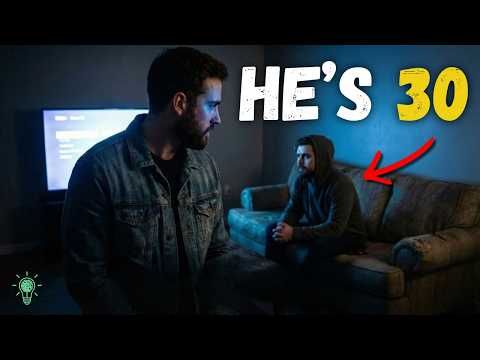
You aren’t "finding yourself." You’re hiding.
Are you actually "finding yourself," or are you just hiding from the responsibility of being a man? In this episode of Sober Psychology, we tear down the "Neverland" fortress of the modern man-child. Psychology calls it Peter Pan Syndrome. Carl Jung called it the Puer Aeternus—the Eternal Boy. I call it the Rot of the Modern Soul. Whether you're struggling with "failure to launch," weaponized incompetence in your relationships, or a dopamine addiction to video games, it's time to kill the boy so the man can live.

Your Prefrontal Cortex Is Offline | Here's Why
You're the first generation of men in history to voluntarily castrate yourselves with a WiFi connection. You think you're a "King" because you have 50 tabs open. But psychologically? You're a spectator in your own life. In this 20 minute psychological intervention, we'll dissect the Neuroscience of Porn Addiction. We aren't just saying "it's bad." We're explaining why your brain prefers pixels to real women. We break down The Coolidge Effect (biological novelty), Supernormal Stimuli (The Plastic Egg), and Hypofrontality (why you have no willpower). We also expose the dark relational costs: PIED (Porn-Induced Erectile Dysfunction), Betrayal Trauma, and the Madonna-Whore Complex that is destroying your marriage. If you're tired of the shame cycle and ready to reclaim your masculinity from the screen, this is your roadmap out of the digital harem.

Closure Is A Lie (Why You Can't Let Go)
You're waiting for an apology that's never coming. And the hard truth is: even if they did apologize, it wouldn't fix you. We often think we need "closure" to move on. But psychologically, your brain is actually addicted to the resentment. The anger releases dopamine, the victimhood provides an identity, and the bitterness feels like a shield. In this episode of Sober Psychology, we expose the "Cancer of Bitterness." We break down the Zeigarnik Effect (why you ruminate), the Sunk Cost Fallacy (why you keep fighting), and the Karpman Drama Triangle.

The 'Freeze' Mode: Why You Can't Get Off The Couch
You aren't lazy. You're frozen. There's a massive psychological difference between choosing to do nothing and being physically unable to do anything. If you find yourself "Bed Rotting," doom-scrolling for hours, or staring at the ceiling feeling completely empty, you might not be depressed. You might be in a state of "Functional Freeze." In this episode of Sober Psychology, we break down the epidemic of Apathy. We look at the neuroscience of the shutdown response, the biology of why your phone is destroying your energy, and the ancient spiritual concept of "Acedia" (The Noonday Demon). In this video, we cover: • The Neuroscience: Why "Bed Rotting" is actually a dorsal vagal shutdown response. • The Biology: How staying in the dark destroys your cortisol production and creates "jet lag" in your living room. • The Theology: The difference between Sloth, Burnout, and the "Noonday Demon". • The Solution: 3 practical steps to break the freeze response today. Disclaimer: I am a psychologist in training, but I am not your psychologist. This content is for educational purposes only. If you are in crisis, please seek professional help.

Why You Chase People Who Reject You
Let me be blunt with you—this isn’t love, it’s limerence. And neurologically, it looks a lot like OCD and substance addiction. In a healthy relationship, serotonin brings calm and security. In limerence, serotonin drops, anxiety spikes, and you start chasing a fix. That fix isn’t a drug—it’s a person. Here’s the trap: research shows that rejection intensifies obsession. When they ghost you, your dopamine doesn’t die—it surges. That’s not a “twin flame.” That’s frustration attraction. You’re not fighting for love; you’re chasing the high of turning a no into a yes. And that cycle will wreck your peace if you don’t name it for what it is. If this woke you up, like, comment, and subscribe. We get sober from delusion around here. —Michael, Sober Psychology

Limerence Explained The Crush Turned Mental Illness
Today I’m breaking down limerence—when a crush turns into an obsession. Dr. Dorothy Tennov coined the term, and I see it all the time in recovery: people get sober from substances and then get high on another person. In this Short, I explain the neurochemistry (why rejection fuels obsession), the fantasy bond (why you fall for potential, not reality), and the Biblical danger of idolatry—turning a person into your god. Here’s the hard science: limerence looks a lot like OCD and addiction. Serotonin drops, anxiety spikes, and you start chasing a “fix”—the limerent object (LO)—projecting perfection onto a human being. If you’re stuck in this loop, it’s time to understand the mechanics and detox the attachment. If this resonates, like, comment, and subscribe for straight talk on psychology, recovery, and faith—no fluff. —Michael, Sober Psychology

You're Turning Them Into a Drug
Let me ask you a question that might ruin your day: are you actually in love—or are you addicted to the pain of chasing them? If you’re checking locations, analyzing timestamps, and replaying conversations on loop, that’s not passion. Psychology calls it limerence. Limerence isn’t love—it’s an obsessive, involuntary cycle where you turn a person into a drug and project a fantasy onto a mannequin. In this Short, I break down the difference between love vs. obsession, why emotionally unavailable people hook your nervous system, and the Biblical danger of turning a partner into your god. If you’re stuck chasing someone who can’t—or won’t—choose you, you don’t need a relationship coach. You need a detox. If this hit home, like, comment, and subscribe. We don’t do the soft stuff here—just psychology, Scripture, and the truth that sets you free. —Michael, Sober Psychology

Why Your Brain Chose 'I'm Bad' Over 'My Parents Are Bad'
Let me say this plainly: you’re not a hostage anymore. If you keep defending your parents at the expense of your own reality, there’s a psychological mechanism keeping you stuck—the fantasy bond. As kids, we needed our parents to survive. Admitting they were unsafe felt life-threatening, so our brains flipped the script: they’re good, I’m bad. That lie gave us hope and control. But that survival strategy becomes a prison in adulthood. It’s Stockholm Syndrome—falling in love with your captors to stay alive. Healing starts when you shatter the fantasy bond, tell the truth about what happened, and grieve it. If you can’t grieve it, you’ll repeat it. Fire your parents from being your gods. They were flawed people—not divine authorities. If this hit home, like, comment, and subscribe for honest conversations about trauma, recovery, and faith. —Michael, Sober Psychology

The Two Types of Mothers That Damage Children Most
We talked about dad—now we have to talk about mom, and this is where it gets uncomfortable. In the psychology of generational trauma, the mother wound often cuts deeper because it happens earlier. Jungian psychology describes two dangerous patterns: the devouring mother (enmeshment—making you responsible for her emotions) and the dead mother (physically present, emotionally absent). Both teach a child the same lie: your needs don’t matter unless you perform. If you carry a mother wound, you may be trying to fill that hole with addiction, achievement, or approval. The hard truth is this: you have to stop going to an empty well. Accept that she can’t give what she doesn’t have. Stop begging for validation. Learn to mother yourself—that’s where healing begins. If this resonated, like, comment, and subscribe for honest conversations about trauma, recovery, and faith. —Michael, Sober Psychology

You Swore You’d Never Be Like Him… Until You Were
I want you to hear this—because this is where cycles get broken or repeated. If you ever swore you’d never be like him… and then one day heard his voice come out of your mouth, this Short is for you. Generational trauma is real. Psychologically, we don’t start with a blank slate—we inherit scripts, nervous systems, and survival patterns written long before we were born. I’m Michael. I’m a psychologist in training, a recovered alcoholic, and a dad who takes this seriously. In this clip, I talk about epigenetics, generational trauma, and why Scripture says the sins of the father visit the third and fourth generation. But more importantly, we talk about how to stop the bleeding—because if you don’t heal yourself, your children will have to heal from you. If this hit close to home, like, comment, and subscribe. Share it with someone who’s trying to do better than they were shown. —Michael, Sober Psychology

Generational Trauma: Epigenetics, The Mother Wound, & The Shadow
You swore you would never be like them. You promised yourself you wouldn't yell. You wouldn't drink. You wouldn't be absent. But then, in a moment of stress, you open your mouth and their voice comes out. In this 20-minute masterclass, I'll dissect the biology and theology of Generational Trauma. We aren't just talking about "bad habits." We're talking about Epigenetics—the scientific proof that your grandfather's trauma is living in your DNA. We explore Family Systems Theory and why you became the "Black Sheep" (Identified Patient), the Jungian concept of the Shadow Father, and the devastating impact of the Devouring Mother. We also deconstruct the "Fantasy Bond" that keeps you loyal to your abusers and provide a practical toolkit (The 90-Second Rule) to finally stop the bleeding. If you're terrified of passing your dysfunction to your children, this episode is your manual for breaking the curse.

When Independence Becomes Your Prison
Let me speak directly to you. If you grew up having to be the strong one—the high achiever who never asks for help—what you’re calling maturity is often a defense mechanism. When your emotional needs were ignored or mocked, your brain learned: people are unreliable; I have to rely on myself. That’s not strength. That’s hyper-independence—trust issues wearing a tuxedo. Saying “I’ve got it” isn’t low-maintenance; it’s preemptive rejection. We’re wired for co-regulation—to calm stress through connection. When you refuse help, you trap cortisol in your body and poison yourself with pride. Healing starts when you let people in. If this hit home, like, comment, and subscribe for honest conversations about mental health, recovery, and faith. —Michael, Sober Psychology

Why Real Connection Scares You
Let me give you a psychological fact that changed my life: vulnerability is the only bridge to connection. If you never show who you really are, you can’t be loved for who you are—only for the mask. And being loved for the mask is one of the loneliest experiences there is. And the Bible backs this up. Scripture is radically anti–hyper-independence. The phrase “one another” shows up over and over—love one another, forgive one another, bear with one another, confess to one another. None of that happens alone in your room. You can’t bear with people if you cut them off the moment they become uncomfortable. Healing requires people, not just podcasts. If this hit home, like, comment, and subscribe for honest conversations about mental health, faith, and real connection. —Michael, Sober Psychology
You Can't Be Loved If You Won't Be Vulnerable
Let me say this plainly—weaponized therapy speak is wrecking real connection. Words like boundaries, gaslighting, and emotional labor weren’t meant to be shields. Sometimes you’re not setting a boundary—you’re just being a jerk. Real boundaries protect relationships. Fake boundaries keep people out. If your “healing journey” means cutting off anyone who mildly inconveniences you, that’s not healing—it’s isolation. Here’s the psychological truth: vulnerability is the only bridge to connection. You can’t be loved for who you are if you never show who you are. If this resonates, like, comment, and subscribe for honest conversations about mental health, recovery, and faith—without the buzzwords. —Michael, Sober Psychology

Why Total Safety Without Love Is Hell
Come here—I know the bunker feels safer. I know that if you don’t let anyone in, no one can hurt you. But here’s the hard truth: safety without love isn’t healing—it’s isolation. As C.S. Lewis said, the only place where you can be perfectly safe from love is hell. And that’s not where you want to live. To love is to be vulnerable. To heal is to be known. You’re not healing alone—you’re just rotting in private. Get out of the bunker. Risk the pain, because the alternative is a kind of safety that feels a whole lot like death. If this hit you, like, comment, and subscribe for more honest conversations about mental health, recovery, and faith. —Michael, Sober Psychology

You Didn’t Set a Boundary — You Built a Bunker
Let me be honest with you—“protecting your peace” isn’t the same as building a life. A lot of you didn’t set a boundary… you built a bunker, and it’s getting lonely in there. What we call independence is often hyper-independence—a trauma response tied to dismissive-avoidant attachment. When your needs were ignored growing up, your brain learned a hard lesson: don’t rely on anyone. Here’s the way out: micro-dependencies. Start small. Ask for help. Borrow a pen. Ask for advice. Retrain your nervous system to learn that connection ≠ danger. Get out of the bunker. Risk the pain—because safety without connection feels a lot like death. If this resonates, like, comment, and subscribe for more straight talk on mental health, recovery, and faith. —Michael, Sober Psychology

The Vulnerability Hangover Nobody Warns You About
Let’s be honest: You tell everyone you are "protecting your peace" and setting "boundaries." You post about being in your "villain era." But deep down? You are just lonely. In this episode of Sober Psychology, we are exposing the lie of Hyper-Independence. As a psychologist in training, I see this constantly. We live in a culture that treats needing people like a weakness. We have convinced ourselves that cutting everyone off is "growth," when usually, it's just a trauma response. It’s Dismissive-Avoidant Attachment wearing a tuxedo. Today, we are stripping away the "therapy speak" excuses and getting to the raw truth. We’re talking about why you feel cringe when you’re vulnerable (the "Vulnerability Hangover"), why you ghost people when things get real, and what the Bible actually says about carrying your own burdens versus carrying a boulder. If you are tired of being the "strong friend" who is secretly drowning, this video is your permission slip to put the armor down. In this episode, we cover: - The Psychology: Why "I don't need anyone" is actually a trauma response (Self-Reliance Syndrome). - Attachment Theory: Understanding the Dismissive-Avoidant style. - The "Vulnerability Hangover": Why you want to hide after opening up. - Weaponized Therapy Speak: Are you setting boundaries or building a bunker? - Biblical Truth: Galatians 6 and the difference between a "load" and a "burden." - The Solution: How to start practicing "Micro-Dependencies" today. 👇 The Challenge: Are you ready to leave the bunker? Text ONE person today and tell them something real. Then comment "I SENT THE TEXT" below so I know you're doing the work.

The Difference Between Walls and Boundaries
Let’s fix this by learning the most holy word in the English language: no. No is a complete sentence. When you say yes while meaning no, you don’t become loving—you become resentful. Boundaries aren’t walls; they’re gates. They define where I end and where you begin. Without boundaries, you don’t have a self—and without a self, you can’t love, only merge. Here’s your challenge: the next time someone asks for something you don’t want to do, say “I’m not able to do that.” Don’t explain. Don’t apologize. Sit in the awkwardness. That anxiety you feel? That’s your spine growing back. We’re moving from passive to assertive—because real intimacy requires needs, honesty, and self-respect. If this helped, like, comment, and subscribe for more straight talk on boundaries, recovery, and mental health. —Michael, Sober Psychology

Setting Boundaries Brace for the 'Extinction Burst'!
I need to warn you—when you start setting boundaries, things often get worse before they get better. In psychology, this is called an extinction burst. The moment you stop being the vending machine, the people who benefited from your lack of boundaries will escalate: guilt trips, accusations, emotional pressure. That doesn’t mean you’re wrong—it means the old system is breaking. Hold the line. Don’t JADE (justify, argue, defend, explain). Use the broken-record response and let the tantrum pass. If you cave during the burst, you teach people to scream louder next time. If you stay steady, the behavior extinguishes—and respect follows. If this helped, like, comment, and subscribe for more real talk on boundaries, recovery, and mental health. —Michael, Sober Psychology

The "Nice Guy" Syndrome: Why You Are Secretly Manipulative
Are you exhausted from doing everything for everyone? Do you feel resentful when people don't return your favors? In this 60-minute deep dive, I'll expose the dark psychology of the "Nice Guy" Syndrome and People Pleasing. We aren't just talking about being polite; we are talking about how your "kindness" is often a manipulative strategy to avoid conflict and buy love. We break down Covert Contracts (the hidden agreements you make in your head), the Fawn Trauma Response, and why Jesus wasn't actually "nice." We also explore Locus of Control, the Extinction Burst (what happens when you finally say "No"), and why the "Nice Guy" strategy is actually destroying your dating life. If you are ready to kill the martyr, set real boundaries, and stop living for everyone else's approval, this episode is the episode you need.

Stop Confusing Drama For Love!
⚠️ That “spark” with toxic people isn’t love—it’s your nervous system recognizing a threat. This Short breaks down why chaos feels exciting, why safe relationships feel “boring,” and how identity wounds drive self-sabotage and relapse. From family systems roles (fixer, hero, scapegoat) to trauma-conditioned attraction, this is a hard truth: when crisis is your identity, peace feels like emptiness. Learn how to retrain your brain, choose safety over slots, and stop lighting fires just to feel useful. If survival has been your whole story, it’s time to write the next chapter. Like, comment, and subscribe for more straight talk on mental health, recovery, and faith—without the fluff.

Are You Addicted To Chaos Without Knowing It?
🔥 You say you hate drama—but somehow you keep running the company. This Short breaks down chaos addiction from both neuroscience and Scripture: why a traumatized brain becomes chemically dependent on stress, why peace feels like boredom, and why we choose a familiar hell over an unfamiliar heaven. If you grew up in trauma or addiction, your nervous system learned in a war zone. Chaos feels normal. Calm feels dangerous. So you light the fire just to feel in control of the burn. Survival may be a powerful chapter—but it’s a terrible title for your whole life. If this hit a nerve, like, comment, and share it with someone who needs the mirror. Subscribe for real talk on mental health, addiction, and faith—no sugarcoating, no toxic positivity.

Are You Addicted To Drama Without Knowing It?
🔥 “I just want peace.” No you don’t — not if you keep blowing up your own calm. This Short exposes chaos addiction: the reason quiet feels dangerous, boredom feels unbearable, and you keep running back to the very storms you swore you’d escape. If you grew up in survival mode, a peaceful Tuesday doesn’t feel safe — it feels suspicious. So when the other shoe doesn’t drop, you drop it yourself. Today, we dig into the psychology and spirituality behind why you sabotage peace and cling to chaos. If this called you out (lovingly), drop a comment, share it with someone stuck in the storm, and subscribe for real talk on mental health, addiction, and faith — without the toxic positivity.

You're Addicted to the Drama and Don't Even Know It
You say you just want a peaceful life. You say you are tired of the drama. But be honest: The moment your life actually gets quiet, you start to panic. In this episode of Sober Psychology, we are tackling Chaos Addiction. If you grew up in survival mode, peace doesn't feel safe—it feels suspicious. Your brain is literally addicted to the cortisol and adrenaline of a crisis. I’m Michael, a psychologist in training, and today we are breaking down why you self-sabotage relationships, why healthy partners feel "boring" (The Slot Machine Effect), and why you keep running back to the burning building. We are looking at this through the lens of neuroscience and Biblical truth—from the Israelites missing their slavery in Egypt to the "Sarah Syndrome" of trying to force God's hand. If you are ready to stop burning down your own house just to feel the heat, this video is for you. In this episode, we cover: - The Neuroscience: Why your amygdala interprets safety as "boredom." - Relationships: The "Slot Machine Effect" (Intermittent Reinforcement) and why you confuse anxiety for chemistry. - Identity Crisis: Who are you if you aren't fighting for your life? - Biblical Truth: The story of Sarah and Hagar, and why impatience creates generational chaos. - The Solution: How to practice "Exposure Therapy for Boredom." 👇 The Challenge: If you are done with the drama, comment "I CHOOSE PEACE" down below. Let’s start a movement of people brave enough to be boring.

How Novelty Rewires Your Brain (Coolidge Effect)
⚠️ “I’m just visual.” No—you’re rewiring your brain. This Short breaks down the Coolidge Effect, a biological phenomenon where the brain becomes addicted to novelty, not pleasure. Porn weaponizes this system: endless new faces, new bodies, new positions, new fetishes—an infinite loop of dopamine spikes no human in history was built to handle. You’re not “just watching.” You’re training your brain to crave constant novelty and destroying your real-world ability to bond, focus, and desire. If this snapped you awake, drop a comment, share it with someone who needs the truth, and subscribe for more psychology, neuroscience, and recovery-focused content.

Your Phone is Making You Clinically Depressed
Why can't you sit still? Why does silence feel terrifying? In this episode of Sober Psychology, I'll dive deep into the neuroscience of addiction, the "Dopamine Cartel," and why your phone is making you clinically anhedonic. We break down Dr. Anna Lembke's Dopamine Nation, the famous "Rat Park" experiment, and the Biblical theology of idolatry and stillness. If you feel burned out, bored, and addicted to the scroll, this episode is your wake-up call. Topics Covered: - The Opponent-Process Theory (Pleasure vs. Pain) - Why "Retail Therapy" and Scrolling are making you depressed. - The Rat Park Experiment: Connection vs. Isolation. - The Theology of Boredom: Why we run from God. - How to perform a Dopamine Fast. References: - Dopamine Nation by Dr. Anna Lembke - Bruce Alexander’s "Rat Park" Study - The Holy Bible (Psalm 46, Philippians 3) Disclaimer: I am a psychologist in training, not your psychologist. This content is for educational and entertainment purposes. If you are struggling with severe addiction or mental health crises, please seek professional help.

What's the Problem with Snapchat?
🚨 Snapchat EXPOSED! 📸 Is the yellow ghost app a psychological trap? Join Michael from Sober Psychology as we dive into how Snapchat’s vanishing pics & streaks fuel addiction, temptation, & relational chaos. 😈 From dopamine spikes to moral missteps, we’re unpacking the dark side of snaps in 2025. 💥 Laugh, learn, & rethink your streaks! 🔴 Like, comment, & subscribe for raw psychological truths! 🧠 Check out more at

Snapchat's Psychological Traps Explained by a Psychologist
Hey Sober Psychology fam! It's Michael, your psychologist-in-training, hitting you with a eye-opening episode on "The Problem with Snapchat." 📱 Ever feel like that little ghost app is ghosting your mental health and relationships? We're breaking down the psychological traps—like addiction and dopamine hooks—that make Snapchat a sneaky temptation, especially for those in committed relationships. Plus, from a Biblical angle, we're talking how good tools go bad when intentions aren't pure, and ways to guard your heart. Expect straight talk, practical tips, and a bit of dark humor to keep it real. 🙌 If you're battling screen time or app temptations, this is your wake-up call.

The Psychology Behind Why Smart People Still Cheat
Hey Sober Psychology fam! It's Michael, your psychologist-in-training, back with a raw, no-filter episode on "Cheating & Adultery." 💔 Ever wonder why people risk it all for a fleeting thrill? We’re diving into the psychological traps (dopamine highs, attachment issues) behind infidelity, backed by studies like Buss’s work on desire. Plus, for my faith-driven crew, we’re exposing how our pleasure-obsessed culture twists Biblical truths about fidelity—and what Scripture demands instead. Expect tough truths, practical fixes, and a dose of dark humor to wake you up. 🙌 If you’re wrestling with trust or temptation, this one’s for you.

Why Do People Buy Boats They Never Use?
🚤 People buy boats they never use and vacation homes they never visit — all for self-glorification. That’s the trap of chasing success without balance. The real win? Learning psychological tools to shift your mindset, stay grounded, and pursue success without losing your mind. 👉 If you’re ready for raw truths (with a little humor), like, drop a comment, and subscribe for more insights on psychology, faith, and mental health. 🔗 More unfiltered deep dives here:

Are You Missing Out On Real Success?
🚨 The hard truth: if you’re not chasing some form of success, you’re probably battling depression. The famous Harvard Grant Study (one of the longest-running psychological studies since 1938) found that achievement and purpose — not just money — drive higher life satisfaction, stronger relationships, and better health. 🎯 From Csikszentmihalyi’s Flow Theory to the “hustle high,” success lights up your brain’s reward system. The question is: are you chasing purpose, or just chasing ego? 👉 If this hits, like, comment, and subscribe for more unfiltered insights on psychology, success, and mental health. 🔗 More raw truths here:

This Podcast Will Change How You Think!
🔥 Welcome back to Sober Psychology — where we cut through the fluff and get raw about the mind, life, and soul. In this short, Michael (psychologist-in-training & sober dad) takes on the obsession with success: the grind, the highs, the lows, and what Scripture actually says about chasing wins. No sugar-coating, no prosperity gospel rainbows — just hard truths with a side of dark humor. 👉 If you’re ready for real talk, like, comment, and subscribe for more shorts on psychology, faith, and mental health. 🔗 Watch more unfiltered insights here:

The Addiction Nobody Warns You About | Success & Dopamine
Hey Sober Psychology fam! It's Michael, your psychologist-in-training, diving deep into the gritty truth about "Success & Winning" in this week's episode. 🏆 Ever wonder why chasing wins can feel like a high but leave you empty? We’re unpacking the psychological highs (dopamine hits!) and lows (burnout, loneliness) of success, backed by studies like the Harvard Grant Study. Plus, for my faith-driven folks, we’re exploring what the Bible says about winning without losing your soul—spoiler: it’s not about that prosperity gospel fluff. 🙏 Expect raw insights, dark humor, and practical tips to win the right way. Hit that subscribe button, share with a friend who’s grinding too hard, and drop a comment: What’s YOUR biggest success struggle? Watch now on YouTube or listen on Spotify! 🎙️

How Doomscrolling Numbs You to Pain
⚠️ Politics doesn’t just divide nations — it destroys relationships and mental health. Studies show people obsessed with politics report 60% lower relationship satisfaction, and constant negativity (like doomscrolling or watching shocking videos) rewires the brain, leaving us numb to pain. 👉 Break free from the negativity cycle. If this resonated, like, comment your thoughts, and subscribe for more content on psychology, relationships, and finding peace in a divided world. 🔗 More deep dives here:

What Happens When Politics Gets Personal?
🧠 Politics isn’t just about left vs. right — it’s about how constant division affects our mental health and peace of mind. In this short, we explore the hidden toll of political stress and how to protect your inner peace in a divided world. 👍 If this resonated, hit like, drop a comment with your thoughts, and subscribe for more shorts on psychology, mindfulness, and resilience. 🔗 Watch more deep dives here: https://youtube.com/playlist?list=PLafukMk6iAN31dLGu_hMtNFAJPopc8fqR&si=TPCFGdQ1riCOuV8P

Are We Being Tricked Into Hating Each Other?
🧠 Section 3 — Why division hooks us like a drug. Your brain loves outrage. Affective polarization = hating the other side more than loving your own, and it’s skyrocketing. Media, algorithms, and tribalism turn politics into identity; dopamine from outrage keeps you scrolling and seething. Studies even link social division to eroding democracy (see 2024 Psychiatrist.com coverage). Break the loop or stay addicted to the outrage. Want to stop being a puppet? Unplug, talk to a real person (not a feed), and practice curiosity instead of fury. Unite or get played — your move. Drop one small thing you’ll do today to break the outrage habit. I’ll read the replies.

What Happens When We Stop Treating Each Other Like People?
🕵️♂️ Deep State loves division. Distracted masses = unchecked power. While you’re screaming about pronouns or borders, unseen actors (bureaucracy, intel, military, corporates) consolidate control. Polarization is their golden goose — outrage = ad dollars, clicks, and easier rule. Workers divided don’t unionize. Citizens enraged don’t demand fair pay. If you’re spewing hate online, congrats — you’re basically the Deep State’s unpaid intern. Want to stop getting played? Unplug, talk to a real person, and build bridges. Unite or get played. Your move. Drop one thing you’ll do today to stop feeding the outrage beast. I’ll read the replies.

Are Elites Making Us Fight Each Other?
💥 Division is a power play. Elites stoke the outrage because a divided herd is easier to herd. Politically speaking, polarization is just a leveraged market for control — and you’re the product. In sobriety terms: this is cravings. Ignore the root cause, feed the itch, and it eventually consumes you. America right now looks like a terrible marriage — fireworks at the altar, passive-aggressive fights over custody, and everyone posting memes from the other room. Moral fervor turned into meme wars. Wild how civilization downgraded to comment fights. Don’t be the guy who keeps stepping in dog crap because the algorithm dared you to. Break the loop: question the outrage, unplug the feed, find the root, and stop being played. Unite or get played. Your call.

Why People With Opposite Views Should Be Talking Right Now
✌️ Unity takes WORK. Division is death. If you actually want things to get better, it’s faith + facts + action. Start caring about people again — even if you don’t agree with them. 🎯 Homework this week: Reach across the divide. Talk to someone with completely different views. Don’t troll. Don’t debate to win. Just listen like they’re human. For me as a Christian, some of my best growth comes from talking to atheists or non-believers. Not to change my mind, not to change theirs, but to sharpen respect and build bridges. Politics, faith, whatever — it’s healthy to step into the other side’s shoes for a minute. Drop in the comments how your convo goes. Let’s make unity louder than outrage.
The Secret Reason News Loves Drama!
📰 Media and Big Tech are gobbling outrage like it’s caviar — polarization is the golden goose. Algorithms amplify extremes, echo chambers radicalize, and corporations profit while divided workers stay docile. History? Romans used bread & circuses; today it’s Netflix and news feeds. Psych fact: polarization erodes trust in institutions and makes us easy to manipulate. If you’re spewing hate online, congrats — you’re basically the Deep State’s unpaid intern. Division lines the pockets of elites while the rest of us fight over crumbs. Want to stop getting played? Unite or get played. Your move.

From Hate To Harmony: Seeking Common Ground
🧠 Your brain loves hate. That’s why outrage feels addictive—it’s literally wired into you. Psychologists call it affective polarization: hating the other side more than loving your own. Media fuels it, tribalism amplifies it, and dopamine hooks you like a junkie chasing highs. Here’s the hard truth: if you’re more loyal to party than principles, you’re not a citizen—you’re in a cult. Politics becomes identity, outrage becomes the drug, and the crash isn’t overdose—it’s civil war. Want to break the cycle? Seek common ground. Otherwise, enjoy being polarized and pathetic.
How Politics Is Tearing Us Apart In 2025
⚡ Exhausted by left vs. right cage matches? Family dinners turned into political brawls? Wondering why everything feels like a powder keg? You’re not alone. I’m Michael—psychologist in training, sober dad—and I’ve seen enough therapy sessions to know politics isn’t just dividing us, it’s shredding society like wolves on a wounded deer. In this Short, we expose the dirty history behind division, how deep-state puppet masters profit off our infighting, and why—through a Christian lens—this distraction is Satan’s playground (think Screwtape Letters on steroids). Expect raw history, psych studies on rage, and Biblical truth that unity won’t come without a fight. Division is the disease. Resilience is the cure.

Political Polarization is Destroying Us (And Nobody's Stopping It)
Hello legends! In this episode, "The Division of Politics: How We're Being Torn Apart and Why It Benefits the Shadows," I’m diving deep into the mess of political division. Why are we at each other’s throats? From Civil War scars to today’s meme wars, I unpack the history, the psych science behind our outrage addiction, and how the Deep State and media fat cats profit off our bickering. Plus, through a Christian lens, we’ll expose how this divide is straight-up Satan’s playground—think The Screwtape Letters but with more caffeine. If you’re sick of family dinners turning into cage matches or wondering why society feels like a powder keg, this one’s for you. Expect raw facts, hard truths, and a call to bridge the gap before we all crash and burn. What’s Inside: - History Lesson: How division’s been screwing us since the Civil War, and why it’s worse now (Pew stats don’t lie). - Shadow Puppetry: How the Deep State, Big Tech, and media cash in on our chaos. - Psych Breakdown: Why your brain’s hooked on hating the “other side” (spoiler: it’s like a drug). - Christian Take: How politics distracts from faith, straight from C.S. Lewis’ playbook. - Action Plan: Steps to unite, because division’s a death sentence. Hit that like button, subscribe, and share to spread the truth. Let’s stop fighting and start fixing. Keep your head up, heart open, and go help somebody. Love you all! References - Political polarization in the United States - Wikipedia. https://en.wikipedia.org/wiki/Political_polarization_in_the_United_States - Political Polarization in the United States | Facing History & Ourselves. https://www.facinghistory.org/resource-library/political-polarization-united-states - How Did Political Polarization Begin, and Where Does it End? | Impact. https://impact.duke.edu/story/how-did-political-polarization-begin-and-where-does-it-end - The polarization in today's Congress has roots that go back decades. https://www.pewresearch.org/short-reads/2022/03/10/the-polarization-in-todays-congress-has-roots-that-go-back-decades/ - Democracy and Deep Divides. https://www.journalofdemocracy.org/articles/democracy-and-deep-divides/ - The Psychology of Political Polarization. https://www.psychiatrist.com/news/the-psychology-of-political-polarization/ - The psychology behind our political divide, with Keith Payne, PhD. https://www.apa.org/news/podcasts/speaking-of-psychology/political-divide - Social Psychological Perspectives on Political Polarization. https://journals.sagepub.com/doi/full/10.1177/17456916231186409 - Reflections: Christianity And Politics - C.S. Lewis Institute. https://www.cslewisinstitute.org/resources/reflections-may-2019/ - Screwtape on Christianity and Politics - The Gospel Coalition. https://www.thegospelcoalition.org/blogs/justin-taylor/screwtape-on-christianity-and-politics/ - Uncle Screwtape on Political Extremism - Jeremy L. Berg. https://kingdomharbor.com/2021/01/14/uncle-screwtape-on-political-extremism/

How to Bounce Back When Life Gets Tough
🧠 Resilience isn’t magic—it’s muscle. Mel Robbins’ High 5 Habit boosts self-compassion, while Jordan Peterson says face chaos voluntarily (yes, even lobster hierarchies make the point). A 2022 Nature review defines resilience as maintaining mental health post-stressor—and optimism, humor (even dark humor), and grit speed recovery. Think of it like ice baths. The health perks are real, but the bigger win is training your mind to face discomfort first thing in the morning. Same with workouts or any deliberate chaos—you’re teaching your brain: I can do hard things. Suddenly, the rest of the day pales in comparison. Resilience is built in those uncomfortable reps.

What Most Christians Get Wrong Today
✝️ Let’s clear this up: hate the sin, not the sinner. That’s what Jesus modeled, and it’s what so much of Western Christianity has missed. I can have a conversation and be friends with someone who’s gay, because I know what I believe, I know who I am, and I know Jesus never told me to hate people. Same goes for any sin—adultery, abuse—I’ve been guilty of both. Who am I to pretend I’m above anyone else’s mess? Here’s the truth: there aren’t bad people. There are good people making bad choices. That’s where grace comes in.

How I Finally Forgave Myself!
💔 Sobriety forced me to face the hardest truth: I was the last person on my forgiveness list. I hated myself for the choices I made. But recovery taught me this—my actions pulled me away from God, but they didn’t define who I am. Here’s the raw truth: people make bad choices. That doesn’t make them bad people. We are all created in God’s image, which means we are innately good. Evil isn’t God’s design—it’s the fallout of free will when we choose to step away from Him. So stop labeling people as “bad.” Call out the choices, yes. But remember the Creator’s imprint is still there. Forgiveness begins with that perspective—especially forgiving yourself.

Why Are We So Divided Today?
⚡ Division is the agenda. You see it everywhere—TikTok trends, media budgets, culture wars. And now, with a man assassinated in public, instead of coming together, we’re tearing apart. That should tell you exactly where we’re at as a society. Here’s my take: I’m a Christian. I don’t agree with everything out there—homosexuality, trans ideology—but disagreement isn’t hate. Hate the sin, not the sinner. That’s where so many in Western Christianity have lost the plot. Division thrives when we confuse conviction with cruelty. I can sit with, talk with, and be friends with someone I disagree with. Why? Because love builds bridges. Division burns them.

What Happens When We Lose Kindness?
🚫 Let’s set the record straight: if you’re dancing on the grave of another human being—no matter who they are—you can leave now. This channel isn’t for that energy. Not because I don’t care, but because I’m not mature enough to sit in that headspace with you. Here’s what we are gonna do: cut through the noise. Everywhere you look, it’s negativity, hate, conspiracy theories, and rage. But at some point, we’ve gotta stop, breathe, and say the words nobody wants to hear anymore: it’s going to be okay. This episode is about finding resilience in chaos—through psychology, faith, and hard history lessons. Stick around, we’re getting real.

Is God Really In Control When Life Gets Hard?
📖 Hope isn’t passive—it’s Biblical. God’s got this, but don’t get it twisted: if you’re just sitting on your ass waiting for miracles, you’re the fool Scripture warns about. Section one of this series kicks off with the Christian perspective. The Bible says, “Fear not.” In times like these—when Charlie Kirk’s assassination fuels rage and division—Scripture isn’t comfort food. It’s a survival manual. A guide. A blueprint for holding steady when the world shakes. Faith without action is dead. Believe, pray, then move your feet.

How To Stay Positive When Everything Feels Lost
⚡ Perspective check: it’s going to be okay. There is a silver lining. The problem? Our culture has a faith deficit—and a negativity addiction. Fake accounts and bots flood social media just to stir division. That’s spiritual warfare 101: distract, divide, destroy. Here’s the raw truth: if you stay in the negative feedback loop—doomscrolling, raging, feeding on conflict—you become the negativity. I caught myself there recently, mad at God, mad at the world. Then I stepped away from the news, unplugged from the feeds, and immediately felt healthier. Negativity is wired into us, which is why tabloids and clickbait sell. But you don’t have to buy it. Choose faith. Choose hope. Break the loop.

The Truth About Getting Strong Fast!
❄️ Resilience is like an ice bath—you don’t start max cold on day one. You build up. Same with the gym: one workout won’t transform you, but consistency will. Crisis works the same way. You train your mind to face resistance, and over time, what once crushed you becomes survivable. This isn’t easy. I’ve got a 9-month-old, and sleep is a fantasy at this point. Some days I can barely crack open my Bible or pray. But those disciplines? They’re the mental reps that push me to another level. Resilience isn’t built in comfort—it’s built in the reps you don’t wanna do. Keep training. When the next storm hits, you’ll already be stronger.

Can Hope Beat Political Chaos?
🌟 Hope in the divide isn’t blind optimism—it’s battle-tested survival. Biblical hope + psychological grit = resilience. Jeremiah 29 promises a future. Fredrickson’s research shows positive emotions build bounce-back strength. And history shouts the same truth: everything will be okay—if we act. Charlie Kirk’s legacy? Unite or perish. Mel Robbins says control what you can. Peterson says embrace voluntary suffering. Matt Walsh calls for cultural grit. And James 2:26 seals it: faith without works is dead. So here’s the light: things will be okay. Not because life is soft, but because God is sovereign, your brain is strong, and history proves we rise—when we choose to move forward together.

What Happens When Your Mind Won't Stop?
💪 Train your mind like a sobriety muscle — because resilience is a workout, not a prayer request. You can sit in the pity party and marinate in rage, blame, and doom-scrolls… or you can do the hard reps: name the feeling, write 3 gratitudes, take one micro-action, call someone, move your body. Positive emotions broaden your brain and build bounce-back capital. Stop the negative feedback loops. Stop pointing fingers. Stop pretending wallowing is moral courage. Yeah, crises hurt — I remember 9/11 and how grief spread like wildfire. I sat in that hurt too. But staying there is codependence on the world’s pain. Shift the script: “Why me?” → “What now?” Show up. Do the tiny, ugly, brave things. Your brain will thank you later. Homework: comment one tiny thing you’re grateful for right now. Do the reps. Build the muscle.

The Victim Mentality Trap
🚫 If you’re wallowing in division, you’re choosing fragility. Psychology after 9/11 showed that communities with strong social ties didn’t just survive—they thrived. That’s the power of connection. Your brain is like a rubber band: stretch it in crisis and it snaps back stronger. Coddle it, and it turns to mush. Resilience isn’t magic—it’s habits. Gratitude journaling. Seeking support. Reframing “Why me?” into “What now?” Victim mentality keeps you stuck in negative loops; action pulls you out. Life’s tough, no doubt. But resilience is tougher. Snap back. Rise stronger.

Why Do Some Places Grow Stronger After Disaster?
🌍 Collective resilience is real. After Hiroshima, Japan rebuilt into an economic powerhouse. After apartheid, Mandela’s reconciliation healed divides and sparked progress. Research even shows that shared narratives turn trauma into strength. Translation? Communities thrive when they face pain together. That was Charlie Kirk’s whole point—love him or hate him, he wanted people to talk. Civil wars don’t start from disagreement; they start when people stop talking and start slandering. Relationships are no different. Marriage, friendships, politics—it’s not about shouting across the void, it’s about finding a middle ground that keeps you moving forward. Hate divides. Dialogue heals. If history teaches us anything, it’s this: resilience begins in conversation.
Is There A Secret To Never Giving Up?
🚨 If cultures collapsed at every assassination, we’d be dust by now. Lincoln. JFK. 9/11. Apartheid. The Blitz. Humanity didn’t fold—it adapted, rebuilt, and thrived. Because that’s what we are: survivors. Resilient as cockroaches—nuke us, and we just mutate stronger. Matt Walsh calls it the American creed—overcoming wars and poverty through grit. Jordan Peterson ties it to ancient myths—heroes rising from chaos. Mel Robbins reminds us bounce-backs are built from failure. Different voices, same truth: people are tired of living negative. And when you’ve lived there, you know—it just burns you out. In the wake of Charlie Kirk’s assassination, here’s the choice: unite or repeat history’s mistakes. That’s it. Everything will be okay—not because the world is soft, but because humans are tough.

Stop Falling Apart Under Pressure—Do This Instead
💪 Resilience isn’t a personality flex—it’s a trainable skill. The APA defines it as adapting well to adversity, and research backs that it can be built, not gifted. Barbara Fredrickson’s 2004 work shows positive emotions broaden your mindset and build resources so you rebound from stress faster. Translation: in moments like the Charlie Kirk tragedy, practicing gratitude amid grief helps your brain move from shock → meaning → growth. Not easy. Totally doable. As a psychologist-in-training (and sober human), here’s the 60-second drill I use: 1. Pause & Name the feeling (not “fine”—pick the real one). 2. 3 Gratitudes—write them down. Then take 30 seconds to actually think about why each matters. 3. One Micro-Action—text a friend, pray, step outside, journal one line. Hope is active, not passive. This isn’t Hallmark-card positivity. It’s emotional regulation + neuroplasticity in plain English: small reps, repeated often, change your brain. Everything will be okay—not because magic—but because God is sovereign, your brain is tough, and history shows we rise. 👇 Homework: Drop 3 things you’re grateful for in the comments. Do the reps. Build the muscle.

Christian Podcasters Are Stirring The Pot
🙏 Christian voices are blasting this everywhere right now. Jordan Peterson hammers biblical resilience—Job’s story teaches that suffering builds character: don’t whine, endure. Matt Walsh rants about cultural divide echo Ecclesiastes: seasons of hate pass, but faith endures. Even Mel Robbins drops wisdom with her Let Them Theory, which aligns with Philippians 4:6-7: “Do not be anxious about anything… and the peace of God will guard your hearts.” Translation? Let the haters hate—focus on your path. But here’s the kicker: if you’re using Christianity as a crutch to avoid action, you’re the hypocrite Jesus flipped tables over. God promised things will be okay—but if you’re busy stirring the pot with political venom, He may just let you stew in it.

What Happens After Everything Falls Apart?
🌍 History screams the same truth: humanity rises from the rubble. Rome collapsed, but cultures rose from its ashes. America was torn apart after the Civil War, yet reconstruction sparked progress. Britain endured Nazi bombs, but Blitz spirit united them to victory. Post-9/11, kindness surged across America. Japan rebuilt from Hiroshima into an economic titan. South Africa overcame apartheid through Mandela’s reconciliation. The pattern is clear: shared misery can forge shared strength. If history proves anything, it’s this—nightmares don’t last, but resilience does.

After You Pray, God Says Now Go
✝️ Jeremiah 29:11 isn’t a coffee mug verse—it’s a battle plan. “For I know the plans I have for you… plans for welfare and not for evil, to give you a future and a hope.” Translation? God’s plan isn’t chaos—it’s hope. Even when assassins strike and cultures clash, His promise stands. But don’t get it twisted. Isaiah 41:10 doesn’t say, “Sit back and chill.” It roars: “Fear not, for I am with you… I will strengthen you, I will help you, I will uphold you with my righteous right hand.” That’s not magic comfort—it’s a call to action. Faith without works is dead. Works without faith is empty. Pray hard, but move your feet. When you ask God for direction, you better be ready to hear, “Okay, now go.”

Why Being Angry Makes You More Anxious
🔥 If you’re fueling the divide with hate, you’re not a hero—you’re the problem. Psychological research shows polarization spikes anxiety, and maybe that’s why you’re always on edge. Assassins think they’re martyrs, but history remembers them as footnotes. The real legacy? Building bridges—through community, prayer, therapy, and action. Rock bottom is brutal, but recovery is the dawn. Hope isn’t passive—it’s active. Faith plus action beats division every time. God is sovereign, your brain is tougher than you think, and history is proof that humanity always bounces back. You’re built to survive, not to tear each other apart. Everything will be okay—not because life is soft, but because you’re stronger than the storm.

How To Keep Going When Everything Hurts
💥 Life just punched us in the gut. In the wake of Charlie Kirk’s assassination, the cultural divide feels like it’s splitting wider than ever. But here’s the hard truth: resilience isn’t found in pretending everything’s fine—it’s found in facing the chaos head-on. As a sober dad and psychologist in training, I’ve learned that “everything will be okay” isn’t a cheesy bumper sticker. It’s a battle cry. In this Short, we break down why psychology, history, and even Biblical wisdom show that humanity has always come out swinging after its darkest hours. Whether you’re drowning in despair, burned out by politics, or just wondering how to hold it together, remember: hope isn’t blind optimism. It’s battle-tested survival. Stick around, laugh through the tears, and let’s find the light at the end of the tunnel—even if it hurts on the way there.

Charlie Kirk's Assassination Proves We'll Survive This
Hey, folks! It’s Michael, your Sober Psychology host, diving into the chaos with our latest episode, "Everything Will Be Ok: Finding Hope in the Chaos of 2025." With Charlie Kirk’s assassination tearing open our political and cultural divides, it feels like the world’s on fire—but I’m here to tell you it’ll work out. We’re breaking down biblical hope, psychological resilience, and historical proof that humanity’s survived worse. From scripture’s promises to science-backed grit, this episode’s got raw truths, a few dark laughs, and real tools to keep you steady in the storm—whether you’re in recovery or just trying to survive the headlines. Hit that like button, subscribe, and share with someone who needs a reality check and a spark of hope. New episodes drop weekly on YouTube and Spotify—let’s rise above the mess together! References: - American Psychological Association. (n.d.). Resilience. https://www.apa.org/topics/resilience - Fredrickson, B. L., et al. (2004). Resilient Individuals Use Positive Emotions... PMC. - Nature. (2022). Systematic review of resilience. https://www.nature.com/articles/s44271-024-00138-w - Open Bible. Bible Verses on Everything Will Be Ok. https://www.openbible.info/topics/everything_will_be_ok - History.com. Kindness in Crises. https://www.history.com/articles/crisis-kindness-pandemics-civil-war-911-attacks-hurricanes - ResearchGate. Collective Resilience. https://www.researchgate.net/publication/377016655_Crisis_and_resilience_in_psychology - Various podcasts: Mel Robbins, Jordan Peterson, Matt Walsh (2025 episodes on resilience and divide).
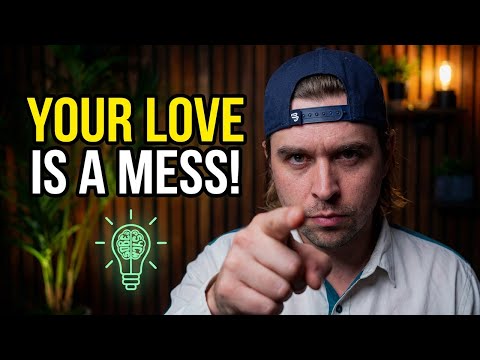
Relationships: Navigating the Modern Mess to Build Real Bonds | Episode 47
Hey, you desperate lovers! It’s Michael, your Sober Psychology host, dropping truth bombs in our latest episode, "Relationships: Navigating the Modern Mess to Build Real Bonds." We're tearing into the chaos of 2025 dating culture—think apps turning love into a swipe-right scam, situationships leaving everyone empty, and red pill nonsense poisoning the vibe. I’m laying out biblical principles for dating with purpose, psych-backed strategies for healthy relationships, and why you need to ditch the drama to find real love. Packed with raw insights, a few dark laughs, and tools to build bonds that last, this one’s for anyone in recovery or just sick of the dating circus. Hit that like button, subscribe, and share with someone who needs to level up their love game. New episodes drop weekly on YouTube and Spotify—let’s build something real together! References: Gottman, J. M., & Silver, N. (2015). The Seven Principles for Making Marriage Work. Harmony Books. Peterson, J. B. (2025). Various podcast episodes on relationships (e.g., friendship in marriage). Robbins, M. (2024). "Let Them Theory" podcast episodes. Regnerus, M. (2017). Cheap Sex: The Transformation of Men, Marriage, and Monogamy. Oxford University Press. Bowlby, J. (1988). A Secure Base: Parent-Child Attachment and Healthy Human Development. Basic Books. Journal of Personality and Social Psychology (2025 meta-analysis on attachment). Archives of Sexual Behavior (2022 study on hookup regret). Equimundo (2025 State of American Men report).

Is Society Missing the Real Crisis?
⚡ “Masculinity isn’t toxic—it’s missing. And society is paying the price.” Yo, what is up, you absolute legends in the making? Welcome back to Sober Psychology, where we don’t whisper sweet nothings about your mental health—we rip the truth out by the roots and slap it across your face with a side of dark humor. I’m Michael, your host—a sober dad, psychologist in training, and a guy who’s seen firsthand how the real crisis isn’t just in the bottle, it’s in the mirror. Men today are staring back at themselves after being told to shrink, apologize, and disappear. And the fallout? Families, communities, and entire societies buckling under the weight of lost men. Today we’re tackling the masculinity issue: 👉 How politics, feminism, society, and even modern Christianity have castrated traditional manhood. 👉 Why men feel like walking apologies for existing. 👉 And what it’s going to take to revive healthy masculinity—Frankenstein-style—before everything crumbles into a pile of emasculated dust. If you’re a man who feels stuck in a fog of confusion, or a woman wondering why the men in your life seem powerless and passive, this episode’s going to hit like a freight train. 🚂 💬 Drop your thoughts below—do you think society is starving for real masculinity, or has it evolved past it?

Enabling: The Toxic 'Help' That's Hurting Your Loved One's Recovery | Episode 45
Hey, you beautiful people! It’s Michael, your Sober Psychology host, back with a gut-punch episode, "Enabling: The Toxic 'Help' That's Hurting Your Loved One's Recovery." We’re diving deep into what enabling really is—spoiler: it’s not love, it’s letting bad behavior slide, especially for alcoholics and addicts. From covering up their messes to bailing them out, I’m exposing why your "help" might be their downfall, backed by psych research and some Alcoholics Anonymous wisdom. Expect raw truths, a few dark laughs, and practical steps to stop enabling and start supporting for real. If you’re in recovery or love someone who is, this one’s a must-watch. Smash that like button, subscribe, and share with someone who needs this wake-up call. New episodes drop weekly on YouTube and Spotify—let’s break the cycle together! References Beattie, M. (1986). Codependent No More: How to Stop Controlling Others and Start Caring for Yourself. Hazelden Publishing. Thomas, E. J., et al. (2004). Enabling behavior in a clinical sample of alcohol-dependent clients and their partners. Journal of Substance Abuse Treatment, 26(4), 269-276. Rotunda, R. J., & O'Farrell, T. J. (1997). Marital and family therapy of alcohol use disorders: Bridging the gap between research and practice. Professional Psychology: Research and Practice, 28(3), 246-252. (Related to enabling review) Hazelden Betty Ford Foundation. (2021). What Is Enabling? Retrieved from https://www.hazeldenbettyford.org/articles/enabling-fact-sheet Verywell Mind. (2024). Enabler Behavior: Motivations, Signs, Impact, and Strategies. Retrieved from https://www.verywellmind.com/enabler-behavior-motivations-signs-impact-8602260 WebMD. (2024). Signs You're Enabling a Loved One's Addiction. Retrieved from https://www.webmd.com/mental-health/addiction/features/addiction-enabling-a-loved-one Healthline. (2019). Enabler: Definition, Behavior, Psychology, Recognizing One, More. Retrieved from https://www.healthline.com/health/enabler American Addiction Centers. (2025). How to Stop Enabling Your Loved One's Addictions. Retrieved from https://americanaddictioncenters.org/rehab-guide/how-to-stop-enabling Resurgence Behavioral Health. (2024). How Enabling Affects Addiction Recovery. Retrieved from https://resurgencebehavioralhealth.com/blog/enabling/ St. Joseph Institute. (n.d.). Afraid to Love: The Enabling Dilemma. Retrieved from https://stjosephinstitute.com/blog/afraid-to-love-the-enabling-dilemma/ Al-Anon Family Groups. (2017). Mothering or Enabling? Retrieved from https://al-anon.org/blog/mothering-or-enabling/ English Mountain Recovery. (2025). Understanding the Difference Between Supporting and Enabling. Retrieved from https://englishmountain.com/blog/understanding-the-difference-between-supporting-and-enabling/ Addiction Center. (2025). What Is an Enabler? Retrieved from https://www.addictioncenter.com/treatment/stage-intervention/what-is-an-enabler/

Is Rehab Too Easy Now?
⚖️ AA: Rigid Rules vs. Inclusivity — The Debate ⚖️ I’ve been to a lot of meetings—some that used to be closed but are now open. And honestly? I think AA has folded to societal pressure, watering things down compared to what it once was. I was lucky. My rehab was a boot camp—last line of defense. It taught me the old-school way of the Big Book: rigorous, no shortcuts, no gray area. And I’m grateful for that. But I’ve watched that same rehab soften over time, and I catch myself thinking: “What are we doing?” Here’s the tension: hold too tightly to rigid rules, and you risk becoming a fundamentalist. But loosen them too much, and you risk losing the fire that made recovery powerful in the first place. That’s been a personal struggle for me—I believe in non-negotiables. I believe some lines cannot be blurred. But here’s the other side: would AA have gone global, reached millions, and saved as many lives without becoming more inclusive? Maybe not. That’s the paradox—discipline builds strength, inclusivity builds reach. So the question isn’t just “Has AA gone soft?” It’s: What’s the right balance between holding the line and opening the door?

Does AA Really Work Better Than Therapy?
📊 Section 4: The Benefits Today — Science Says It Works 📊 Here’s where the rubber meets the road: cult or not, AA delivers. The data is clear: 🧠 2020 Stanford review → AA is the most effective path to abstinence, outperforming therapy alone. 🔎 Cognitive Behavioral Therapy (CBT) is powerful, but AA consistently edges it out for long-term sobriety. 💰 AA reduces healthcare costs while boosting coping skills, motivation, and social networks. 📖 Harvard, 2011 → AA reduces depression through two pillars: spirituality + support. 🔄 Long-term attendance slashes relapse rates. 😊 A PMC study confirmed it: less drinking, more happiness. And here’s a cultural twist: Gen Z and Millennials are drinking less than ever. We’re talking some of the lowest numbers on record for 20- and 30-somethings choosing not to drink. That’s not just a stat—that’s a societal shift. So whether you call it a cult, a community, or just a quirky clubhouse with bad coffee, the science is clear: AA works. And that’s a win in my book.

Can You Really Beat Alcoholism?
🍷 The “Cure” for Alcoholism? Here’s the Hard Truth 🍷 I’ll be real with you—I went down the rabbit hole searching for a cure for alcoholism. And you know why? Because deep down, I wanted permission to drink again. That’s the trap. That’s why AA insists: you will always be an alcoholic. Not because they’re cruel. But because: 1️⃣ It’s true—you can’t outthink or outsmart addiction. 2️⃣ If you start believing you’re “cured,” you’ll test it… and the bottle will take you right back into the cycle. And eventually, it will kill you. So your choice is simple: accept it, or keep drinking and trying to out-research your own disease. Spoiler: the bottle always wins. Now, let’s rewind. Section II of this deep dive is about history and origins—from Carl Jung’s couch to basement meetings. AA was born in 1935, Akron, Ohio, when stockbroker Bill W. met surgeon Dr. Bob. Two hopeless drunks, completely crushed by alcohol. But when they shared their misery, they found a lifeline: helping each other stay sober. That spark became the foundation of AA. What started as two men saving each other in a living room turned into millions finding sobriety across the world. And no—there was no brainwashing, no Kool-Aid, no cult leader—just broken people building a way to survive.

Is AA Really a Cult or Just Misunderstood?
✅ Is AA a Cult? The Final Word ✅ So, is Alcoholics Anonymous a cult? No—it’s not. It’s a flawed but powerful spiritual lifeline, born from Carl Jung’s insights and evolved into a global force that’s helped millions. Yes, stigma is real. Yes, AA is imperfect. But so are we. The data is undeniable: members report less depression, stronger sobriety, and measurable mental health benefits. And if the program feels “watered down,” that’s not weakness—it’s inclusivity. Dodging AA over cult fears? That’s usually ego talking—your addiction whispering for one more excuse to get back to the bottle. Here’s your challenge: 👉 Attend a meeting. 👉 Journal your biases, your discomfort, your insights. 👉 Then come back and share in the comments. There’s no wrong answer here—just honest reflection. And if you made it this far: like, subscribe, and share this with someone who needs the reminder. Keep your head up. Keep your heart open. Go help somebody.
What Happens When You Can't Stop Drinking?
💥 If AA Is a Cult… It’s One That Works 💥 Here’s the raw truth: alcohol ruins lives. Some people can have a glass of wine or a cocktail and call it a night—good for them. But for others, like me, “a couple” always turns into a couple more… and then jail, shame, or worse. This is where AA comes in. Critics call it a cult, but pop psychology reframes it as group therapy on steroids. It doesn’t just help you stop drinking—it gives you purpose. For older members especially, it builds community in a world that’s increasingly isolated by technology. And here’s the kicker: the science backs it. A 2021 study found that AA’s spirituality model aids recovery like a form of empirical faith. Translation? It actually works. So if AA is a cult, it’s the only cult that: ☑️ Gives you purpose ☑️ Connects you with people instead of isolating you ☑️ Has decades of data showing it saves lives Meanwhile, your solo sobriety experiments? They usually end the same way—back in the bottle or worse, with a needle. You can try to outsmart recovery, but the evidence is clear: connection beats isolation, purpose beats despair, and AA works for millions.

Why Do People Think AA Is a Cult?
⚠️ AA’s “Cult Identity” or Just a Misunderstood Narrative? ⚠️ One of the biggest criticisms of Alcoholics Anonymous is the lifelong label—“once an alcoholic, always an alcoholic.” Critics (like those on Intrepid Recovery) argue it feels like a cult identity trap. Pop psychology calls this the illness narrative, and it’s not just talk—there’s a 2020 study in Addiction Research & Theory showing ex-members often felt disappointed by that rigid framing. And here’s where stigma makes it worse: people avoid AA because they think it’s just for “losers” or “Jesus freaks.” But let’s be brutally honest—if you’re blacking out every weekend or running to the bottle every time life hurts, you’re already in a cult. It’s called addiction. The only difference? Addiction doesn’t give you free coffee and donuts. Even on Twitter (or X, if we’re being fancy), the conversation’s split. Some users rant about AA’s “lunatic vibes,” while others defend it as absolutely life-saving. That tension shows the deeper truth: the stigma surrounding both alcoholism and AA does far more harm than good. It doesn’t push people into recovery—it keeps them in hiding. So maybe the real question isn’t “Is AA a cult?” but rather: what cult are you serving—addiction, or recovery?

Is AA Really a Cult or Just Misunderstood?
🔥 AA Stigma: Cult or Misunderstood Lifeline? 🔥 Let’s start with the juicy stuff—the stigma. Public perception of Alcoholics Anonymous is basically like that ex who talks trash about you: half truth, half hysteria. People scream “cult” because of the God talk, the anonymity that feels secretive, and those group chants that sound like a low-budget horror flick. Scroll Reddit for two minutes and you’ll see posts like: 👉 “My ex-sponsor told me I can’t think for myself. AA is definitely a cult.” 👉 “It’s just brainwashing with coffee and cigarettes.” Even Wikipedia acknowledges “concerns about its perceived religious nature and allegations of cult-like elements.” But here’s where psychology enters the picture: stigma doesn’t just target AA—it targets alcoholism itself. A 2023 study in Drug and Alcohol Review found that alcohol stigma drives prejudice and makes people hide recovery like it’s a dirty secret. So of course AA’s anonymity gets twisted into cult-like secrecy. Now for the dark humor: if AA is a cult, it’s the worst one ever. No Kool-Aid, no dues, and you can leave any time—no one chases you out the door. In fact, they probably won’t even notice. So, is AA truly a cult, or just a misunderstood support system with some quirks? That’s the stigma we’re unpacking today.

My Life Changed After One Big Mistake!
🚨 When Rock Bottom Still Isn’t Enough 🚨 Imagine this: you lose your family, your friends, your marriage, your money—everything. You’re arrested, you should’ve been dead with a .28 BAC, you get out of jail…and within 24 hours you’re drinking again. Even after a felony charge, the same cycle repeats. That’s not just “bad luck”—that’s the psychology of addiction. Here’s the hard truth: sometimes “soft encouragement” won’t cut it. When self-destruction is this powerful, the brain doesn’t respond to gentle nudges—it laughs at them. What it needs is confrontation. Tough love. The kind that shocks a person out of denial and forces them to face the abyss. Now, I’m not saying cruelty works—but clarity does. Real accountability, structure, and hard lines can mean the difference between death and recovery. And ironically, the very thing most people resist—discipline, rules, someone saying “no”—is often the thing that saves them. Addiction is not polite. It doesn’t negotiate. And sometimes, neither can the path to freedom.

Is AA a Cult? Unpacking the Stigma and Truth of Alcoholics Anonymous | Episode 44
Hey, you beautiful fighters! It’s Michael, your Sober Psychology host, tackling a big question everyone’s whispering about in this episode: "Is AA a Cult? Unpacking the Stigma and Truth of Alcoholics Anonymous." We’re diving into the rumors, the history from Carl Jung’s influence to the basement beginnings, how AA might’ve gotten a bit softer over time, and the real-deal benefits backed by science. If you’re in recovery or just curious about Alcoholics Anonymous, this raw chat cuts through the BS with some dark laughs and hard truths. Stick around for insights that could change how you see sobriety. Hit that like button, subscribe for more no-holds-barred psychology talks, and share with someone who needs it. New episodes every week on YouTube and Spotify—let’s stay real together! References: - Alcoholics Anonymous. (2001). Alcoholics Anonymous: The Story of How Many Thousands of Men and Women Have Recovered from Alcoholism (4th ed.). Alcoholics Anonymous World Services. - Kelly, J. F., et al. (2020). Alcoholics Anonymous and other 12-step programs for alcohol use disorder. Cochrane Database of Systematic Reviews, 3. - Humphreys, K., et al. (2014). Self-help organizations for alcohol and drug problems: Toward evidence-based practice and policy. Journal of Substance Abuse Treatment, 46(1), 1-10. - Kaskutas, L. A. (2009). Alcoholics Anonymous effectiveness: Faith meets science. Journal of Addictive Diseases, 28(2), 145-157. - Tonigan, J. S., et al. (2013). Spirituality and Alcoholics Anonymous. Southern Medical Journal, 106(1), 15-20.

Face Your Thoughts or Lose Your Sobriety
“The Journaling Hack That Strengthens Sobriety” Think journaling feels dumb? Yeah, I thought so too—until I realized it’s one of the strongest weapons in recovery. In Step 11 (Big Book, p.85) we’re told to seek conscious contact. That’s exactly what journaling does—it forces you to face the chaos in your head instead of running from it. Ask yourself: 👉 “Why am I craving right now?” 👉 “What triggered this emotion?” 👉 “What’s underneath this feeling?” It’s not about being perfect on paper—it’s about processing. A 2025 Mental Health CTR study linked journaling to better emotional regulation, emotional maturity, and emotional processing. Translation: it keeps you sane, sober, and steady. No excuses. Your sobriety is worth more than your pride. The only wrong way to journal… is to not journal.

Journaling: Your Brain's Brutal Therapy Session or Total BS? | Episode 43
Hey, you beautiful disasters! It’s Michael, your Sober Psychology host, back with another episode that’s gonna hit you harder than a sobriety checkpoint. We’re diving into why scribbling your thoughts isn’t just for angsty teens—it’s a game-changer for your mental health and recovery. I’m breaking down the science, from Alcoholics Anonymous wisdom to legit studies, showing how journaling can tame your inner chaos, boost self-awareness, and keep your sobriety on lock. Expect raw truths, a few dark chuckles, and practical tips to make your journal your new best friend (sorry, Netflix). Whether you’re fighting addiction, stress, or just your brain’s BS, this episode’s got you. Smash that like button, subscribe, and share with someone who needs to spill their guts on paper. New episodes drop weekly on YouTube and Spotify—let’s keep it real! References: - Alcoholics Anonymous. (2001). Alcoholics Anonymous: The Story of How Many Thousands of Men and Women Have Recovered from Alcoholism (4th ed.). Alcoholics Anonymous World Services. - PositivePsychology.com. (n.d.). 5 Benefits of Journaling for Mental Health. Retrieved from https://positivepsychology.com/benefits-of-journaling/ - Huffman, J. C., et al. (2024). A randomized feasibility study of a positive psychology journaling intervention for patients with substance use disorders. ScienceDirect. - University of Rochester Medical Center. (n.d.). Journaling for Emotional Wellness. https://www.urmc.rochester.edu/encyclopedia/content?ContentTypeID=1&ContentID=4552 - Silver Ridge Recovery. (2024). Unlocking Long-Term Recovery: The Healing Power of Journaling for Adults. https://www.silverridgerecovery.com/unlocking-long-term-recovery-the-healing-power-of-journaling-for-adults/ - American Psychological Association. (n.d.). Expressive writing can help your mental health. https://www.apa.org/news/podcasts/speaking-of-psychology/expressive-writing - Mental Health Center. (2025). The Connection Between Creativity and Mental Health. https://www.mentalhealthctr.com/the-connection-between-creativity-and-mental-health/ - Spectrum Health Systems. (2025). Exploring the Therapeutic Benefits of Journaling in Addiction Recovery. https://www.spectrumhealthsystems.org/exploring-the-therapeutic-benefits-of-journaling-in-addiction-recovery/ - Resources to Recover. (2021). The Benefits of Journaling for Mental Health. https://www.rtor.org/2021/04/24/the-benefits-of-journaling-for-mental-health/ - American Addiction Centers. (2024). Why Journaling is a Powerful Recovery Tool. https://americanaddictioncenters.org/blog/journaling-recovery - Robin Recovery. (2025). The benefits of journaling during addiction recovery. https://www.robinrecovery.com/post/the-benefits-of-journaling-during-addiction-recovery?67289134_page=11 - HelpGuide.org. (2024). Journaling for Mental Health and Wellness. https://www.helpguide.org/mental-health/wellbeing/journaling-for-mental-health-and-wellness - Ivory Plains Recovery Center. (2024). Try Journaling for Better Mental Health. https://ivoryplainsrecovery.com/blog/try-journaling-for-better-mental-health/ - Psychology Today. (2025). Journaling in College: A Low-Tech Mental-Health Enhancer. https://www.psychologytoday.com/us/blog/college-mental-health/202506/journaling-in-college-a-low-tech-mental-health-enhancer - UP Magazine. (n.d.). The Mental Health Benefits of Journaling: Releasing, Reflecting, and Rebuilding. https://upmag.com/the-mental-health-benefits-of-journaling-releasing-reflecting-and-rebuilding/

Imposter Syndrome: Why Your Brain Thinks You’re a Fraud | Episode 42
Hey, you beautiful chaos machines! It’s Michael, your Sober Psychology host, diving headfirst into the messy, mind-bending world of imposter syndrome. Ever feel like you’re faking it—at work, in recovery, or just in life? Yeah, that’s your brain pulling a prank, and we’re here to call it out. With insights from the Alcoholics Anonymous Big Book and hard-hitting psychological research, I’m breaking down why you feel like a fraud, how to shut that voice up, and why you’re already killing it (even if you don’t believe it). Packed with real talk, practical tips, and a few laughs to keep it light, this episode is for anyone who’s ever doubted themselves. Hit that like button, subscribe, and share with someone who needs a reminder they’re a freaking legend. New episodes drop weekly on YouTube and Spotify—let’s keep the recovery real! References: - Alcoholics Anonymous. (2001). Alcoholics Anonymous: The Story of How Many Thousands of Men and Women Have Recovered from Alcoholism (4th ed.). Alcoholics Anonymous World Services. - Baumeister, R. F., et al. (2008). Bad is stronger than good. Psychological Review, 108(4), 379-394. - Bravata, D. M., et al. (2019). The power of verbalizing imposter feelings: A randomized controlled trial. Personality and Social Psychology Bulletin, 45(7), 1032-1045. - Clance, P. R., & Imes, S. A. (2011). The imposter phenomenon in high achieving women: Dynamics and therapeutic intervention. Journal of Behavioral Science, 15(3), 241-247. - Cokley, K., et al. (2020). The roles of cognitive distortions and imposter phenomenon in academic settings. Cognitive Therapy and Research, 44(2), 301-312. - Kelly, J. F., et al. (2017). Social identity and recovery: The role of belonging in 12-step groups. Journal of Substance Abuse Treatment, 80, 12-19. - McGrath, R. E., et al. (2018). Cognitive-behavioral therapy for imposter syndrome: A meta-analysis. Journal of Clinical Psychology, 74(9), 1456-1469. - Neff, K. D., et al. (2021). Self-compassion and imposter syndrome: A pathway to psychological resilience. Frontiers in Psychology, 12, 658. - Smith, M. M., et al. (2022). Perfectionism and imposter syndrome: The role of “good enough” mindsets. Journal of Personality, 90(3), 421-435. - Stoeber, J., & Otto, K. (2016). Positive conceptions of perfectionism: Approaches, evidence, challenges. Personality and Individual Differences, 99, 234-240. - Vogel, E. A., et al. (2019). Social comparison and self-esteem on social media: A meta-analysis. Computers in Human Behavior, 98, 168-175. - Wei, M., et al. (2020). Journaling as a tool to combat imposter syndrome: Evidence from a randomized controlled trial. Journal of Counseling Psychology, 67(4), 456-467.

Relapse Unraveled: The Brutal Truth About Falling Off the Wagon | Episode 41
Join Michael, your host and psychologist-in-training, on Sober Psychology as we dive deep into the raw truth about relapse in drug and alcohol addiction. In this episode, we unpack why relapse happens, drawing from the Alcoholics Anonymous Big Book and cutting-edge psychological research. Expect hard-hitting insights, practical tips, and a dose of dark humor to keep you hooked. Whether you’re in recovery, supporting someone who is, or just curious about the psychology of addiction, this episode is for you. Subscribe for weekly doses of real talk on mental health and recovery!

The Burden of Choice: Why Too Many Options Are Wrecking Your Life | Episode 40
Hey, you beautiful decision-dodgers! It’s Michael, your Sober Psychology host—psychologist in training, sober dad, and a guy who’s stalled on enough choices to know they’re heavier than a bad breakup. In this episode, I’m tackling the burden of choice—that overwhelming moment when you’re paralyzed by 47 Netflix shows, a dating app full of maybes, or a menu that feels like a life-or-death decision. Join me for 35 minutes of raw, science-backed truth, spiced with humor to keep you laughing through the pain. I’m diving into why too many options stress you out (thanks, brain!), how ADHD, OCD, and autism make choices even tougher, and practical ways to stop choking under pressure. From decision fatigue to fear of regret, I’m breaking down the psychology of why you freeze and how to make choices like a boss. No fluff, just real talk. 🔥 Why watch? Because you deserve a life where you’re not stuck debating pizza toppings. Hit play to learn how to cut through choice overload and start living. Drop a comment with the dumbest decision you’ve stalled on—I’m reading every one! Like, subscribe, and share this with someone who’s still “deciding” on their life plan. Let’s do this! References: - Iyengar, S. S., & Lepper, M. R. (2000). When choice is demotivating. Journal of Personality and Social Psychology. - Schwartz, B. (2004). The Paradox of Choice: Why More Is Less. - Vohs, K. D., et al. (2018). Decision fatigue and cognitive load. Proceedings of the National Academy of Sciences. - Chernev, A., et al. (2019). Choice overload and consumer satisfaction. Journal of Consumer Research. - Roets, A., et al. (2020). Indecision and anxiety. Frontiers in Psychology. - Hinshaw, S. P., et al. (2020). Decision-making in ADHD. Journal of Attention Disorders. - Grisham, J. R., et al. (2019). Decision-making in OCD. Journal of Obsessive-Compulsive and Related Disorders. - Robicsek, A., et al. (2022). Choice overload in autism. Journal of Autism and Developmental Disorders. - Zeelenberg, M. (2018). Regret and decision-making. Emotion. - Welch, S. (2009). 10-10-10: A Life-Transforming Idea.

The Real Reason You Procrastinate Revealed!
🔥 “Why You Keep Screwing Yourself Over (And How to Stop)” 🔥 You sabotage yourself because winning feels scarier than losing. Let that sink in — deep. Self-sabotage isn’t just a little oopsie — it’s you laying down traps for yourself and then bawling when you step in them. Procrastinating on that project? Ghosting a decent date? Cracking open a bottle to “celebrate” a win that scares you? That’s Olympic-level self-sabotage, my friend. 🏅 Here’s the raw psychology: A 2019 study in Personality and Individual Differences found self-sabotage is fueled by low self-esteem, fear of failure, and your twisted need to protect your fragile ego. You’re terrified to prove you’re not the loser you secretly think you are. So instead, you torch your progress and stay comfy in your misery pit. Because in that pit, there’s no pressure, no expectations — just your excuses to cuddle at night. Look, I get it. Been there, done that. But here’s your wake-up call: Success is supposed to scare you. That means you’re growing. Staying stuck is just you choosing fear over freedom. I’m Michael — psychologist in training, sober dad, and here to slap you awake with the truth. Drop a 🔥 if you’re ready to stop being your own worst enemy. 👇 What’s the dumbest way you’ve ever sabotaged your own success? Let’s get real in the comments.

The Real Reason You Keep Failing!
“Self-Sabotage: Why You’re Torching Your Own Life 🔥🤦♂️” Look — I’m not gonna sugarcoat this one. You keep bailing on your blessings and then cry that the game is rigged. Newsflash: you’re the one stacking the deck against yourself. I’m Michael — psychologist in training, sober dad, and the guy who’s screwed up enough to know that you are your own worst enemy (yes, YOU). Today, we’re tearing apart self-sabotage — that sneaky, soul-crushing habit of throwing a grenade into your own progress just when things start to look good. Raise your hand if you do it — that’s right, liar, keep it up. Whether it’s bailing on that job interview, picking a fight with your partner because things are “too good,” or ghosting your own goals — it’s all YOU. 💥 Here’s the kicker: you’re whining about life being unfair while you’re the one slashing your own tires. The science says you’re not cursed — you’re just stuck in a loop you can break. So if you’re ready to stop being a one-person wrecking crew, stick around. I’ll break down why you do it, what the psychology says, and how to break the cycle — no sugarcoating, no coddling — just dark humor and hard truth. 👉 Smash that like if you’re done being your own biggest problem. Drop a comment: What’s the dumbest way you’ve self-sabotaged? Let’s get real about this.

You're Not Broken, You're Just Sabotaging Yourself
Hey there, you beautiful chaos magnets! It’s Michael, your Sober Psychology host—psychologist in training, sober dad, and a guy who’s tripped over his own ego more times than he’d like to admit. In this episode, I’m diving into the messy, maddening world of self-sabotage. You know, that annoying habit of torching your own dreams—like skipping that big interview, derailing your diet, or starting a fight just when life’s getting good. Join me for 30 minutes of raw, science-backed truth, mixed with my decade of battling alcoholism and enough humor to keep you chuckling through the pain. I’m breaking down why you keep shooting yourself in the foot, what psychology says about it, and how to stop being your own personal wrecking ball. From cognitive distortions to trauma’s sneaky role, this episode’s packed with insights to help you get out of your own way. No fluff, just real talk. 🔥 Why watch? Because you deserve a life where you’re not your own worst enemy. Hit play to learn how to spot self-sabotage, kick it to the curb, and start winning at life. Drop a comment with the dumbest way you’ve sabotaged yourself—I’m reading every one! Like, subscribe, and share this with someone who needs a wake-up call. Let’s get to it!

The Surprising Truth About Old School Therapy!
“Psychoanalysis, Carl Rogers & Why ‘Just Listening’ Isn’t Enough 🎙️🧠” Here’s your little psychology history snack: Back in the day, psychoanalysts (shout-out to Freud’s couch and your repressed mother issues) had about a 30–40% success rate according to a 1990 American Psychologist study. Decent odds? Maybe — but you’d basically spend years and your entire savings just to maybe feel 10% less miserable. Enter the Humanists — cue Carl Ransom Rogers, the soft-spoken legend who basically said: “Hey, maybe the client isn’t a broken machine. Maybe they just need someone to actually listen and give a damn.” He pioneered client-centered therapy — all about empathy, warmth, and unconditional positive regard. And guess what? Science backs it up: A 2019 meta-analysis in Psychotherapy found that empathy-driven therapy boosts outcomes by 50% across all disorders. But — and this is big — some therapists took that vibe and ran too far. They’re out here nodding like bobbleheads, charging you $150 an hour just to say “Mmm, tell me more…” without giving you any real tools to fix your mess. Lesson? Empathy is gold — but you deserve more than a professional listener. Find someone who understands and equips you. You’re not paying for a TED Talk — you’re paying for change.

The Surprising Truth About Therapy and Honesty
“The Dark Side of Therapy: When It’s Just a $200 Nod & Smile 💸🧠” Let’s get brutally honest for a second, Sober Psychology fam — therapy can 100% be a scam if you’re not paying attention. Look, your therapist can’t fix what you’re lying about. If you’re just sitting on that couch spinning half-truths because you’re stuck in image management mode, you’re wasting your money and their time. A good therapist can only help you with what you’re willing to admit. But here’s the kicker — even when you are honest, some therapists are just professional listeners nodding while you vent — for $200 an hour. There’s a 2017 study in Psychotherapy Research that found 20% of therapists lack training in evidence-based practices. One in five shrinks basically just making it up like a bartender with no recipe. That’s not therapy — that’s just expensive small talk. The lesson? Vet your therapist like you’d vet a heart surgeon. Ask how they practice, what their training is, and if they get squirmy — run. Therapy can heal you — or it can rob you blind if you’re not careful. Choose wisely.

Therapy: Life-Changing Tool or Overpriced Scam? | Episode 38
What’s up, you glorious chaos agents? It’s Michael, your Sober Psychology host—psychologist in training, sober dad, and the guy who’s done with the scams. In this episode, I’m ripping into therapy like it’s a bag of Cool Ranch Doritos. Is it the lifeline that pulled me out of addiction’s grip, or a fancy con where you pay $200 to cry while someone nods? I’m diving deep into therapy’s wild history—from Freud’s coke-fueled couch to TikTok therapists peddling “vibes”—and breaking down the good, the bad, and the straight-up scammy. Get ready for 35 minutes of unfiltered truth, backed by science and my own decades of battling demons. I’m exposing why pop psychology’s a bigger ripoff than a gas station burrito, when therapy actually works, and how to spot a shrink who’s not just milking your wallet. Expect dark humor, hard-hitting facts, and no coddling—this ain’t your mama’s self-help channel. 🔥 Why watch? Because you deserve to know if therapy’s worth your cash or if you’re better off venting to your dog. Hit play to learn how to navigate the therapy jungle without getting screwed. Drop a comment with your therapy win or horror story—I’m reading every one. Like, subscribe, and share this with someone who’s been burned by a bad shrink or needs a push to try. Let’s get real. References: - Freud, S. (1900). The Interpretation of Dreams. - Rogers, C. R. (1951). Client-Centered Therapy. - Beck, A. T. (1979). Cognitive Therapy and the Emotional Disorders. - Linehan, M. M. (1993). Cognitive-Behavioral Treatment of Borderline Personality Disorder. - Wampold, B. E. (2019). The therapeutic alliance and client outcomes. Journal of Consulting and Clinical Psychology. - Norcross, J. C., & Lambert, M. J. (2018). Evidence-based therapy relationships. Psychotherapy. - Shedler, J. (2018). Where is the evidence for evidence-based therapy? Clinical Psychology Review. - American Psychological Association (2023). Mental Health Trends in America. - Consumer Reports (2022). Online Therapy Platforms: A Review. - Papola, D., et al. (2020). Efficacy of psychotherapies for depression. The Lancet Psychiatry. - Video Cred: - https://www.youtube.com/ (https://www.youtube.com/shorts/kk8MQqbbUe8)

Lost Your Job? Here’s Why It Might Be Good!
🔥 Hard Truth: Avoidance Is a Coward’s Game 🔥 There’s a 2022 study in The Journal of Positive Psychology that straight-up proves it: Post-traumatic growth — the part where you come out stronger after pain — only happens when you confront your suffering head-on. Lost your job? 🏢 Grieve it. Then get your ass back out there. Maybe that door closed because a better one’s waiting. Got your heart broken? 💔 Cry. Scream. Grieve. Then learn. What do you really want next time? Avoidance just drags your pain out longer. Feel it. Process it. And then get back on the damn saddle and ride. 🐎 You’re not meant to be stuck — you’re meant to grow. Let the suffering shape you, not bury you.

Don't Let Your Demons Haunt You
🔥 “Turn Your Suffering Into Strength — Here’s How” Look — I know you feel like this pain is never gonna end. Like you’ll never get your feet back under you. I’ve been there. But here’s the brutal truth: any problem that feels like it’s swallowing you whole today will shrink with time and perspective. I’m not saying that cliché, “Time heals all wounds,” is perfect — but giving your pain space to breathe is what lets you see it for what it really is: a lesson. ➡️ Step One: Face It. Stop running. A 2022 study in the Journal of Positive Psychology found that people who confront suffering head-on — instead of numbing it — come out stronger. It’s called post-traumatic growth for a reason. You can keep pretending it’s not there, but it’ll just keep digging at you like a splinter under your skin. Or you can look that pain dead in the face and say, “You’re not the boss of me anymore.” 💡 Let your suffering teach you — don’t let it trap you. If you’re hurting right now, take a deep breath. Let it be big. Let it be heavy. And then remember: it won’t always feel like this. You’re stronger than you think. Drop a ❤️ if you’re done running from your demons — and ready to grow.

How To Find Real Friends Who Tell The Truth!
🔥 “Suffering Isn’t Optional — But What You Do With It Is” Look, suffering is part of the human subscription plan. You don’t get to cancel it. But here’s the kicker: you do get to choose what that pain does to you. You can let it make you bitter, small, and stuck — whining about the same wounds for the next 20 years — or you can use it to build a life that’s tougher than a $2 steak. How? Find your people. The real ones. The ones who say, “Hey, I love you enough to tell you the truth — here it is.” Not the yes-men, not the pity party crew — the tribe that’ll listen without judging and hold you accountable when it counts. It doesn’t have to look like some perfect sitcom friend group. It doesn’t matter if you meet around a campfire, at a meeting, or over FaceTime. Just find the humans who’ll sit in your mess with you, help you stand up, and remind you you’re not alone. I’ve been at rock bottom. Addiction, despair, shame — the whole circus. I’m only here because I stopped running from the pain and faced it head-on. 👊 So here’s your permission slip: Suffering stays, but you choose what it builds. Choose wisely. Drop a ❤️ if you’ve got that one friend who’ll call you out and lift you up. And if you don’t — time to go find ‘em.

Suffering Sucks, But It’s Your Best Teacher | Episode 37
Hey, you beautiful survivors! It’s Michael, your Sober Psychology host—psychologist in training, sober dad, and the guy who’s been through enough crap to know suffering isn’t just a phase, it’s a professor. In this episode, I’m diving headfirst into the raw, messy truth about suffering—why it’s inevitable, why you’re probably making it worse, and how to use it to become tougher than a biker in a bar fight. Get ready for 30 minutes of no-BS insights, backed by science and my own decade of clawing out of an alcoholism grip. From cognitive appraisal theory to Viktor Frankl’s wisdom, I’m breaking down why pain hits hard and how to stop running from it like it’s a tax collector. Expect dark humor, hard truths, and a few wake-up calls that’ll make you rethink that pity party you’ve been throwing. This isn’t about coddling—it’s about turning your suffering into strength. Life’s too short to let pain own you. Hit play to learn how to face your hurt, find its lessons, and stop whining about your ex’s new Instagram aesthetic. Drop a comment with the toughest suffering you’ve faced—I’m reading every one. Like, subscribe, and share this with someone who needs to stop crying into their kombucha and start growing. Let’s do this.
The Victim Mentality That's Destroying Your Life | Episode 36
What’s up, you glorious chaos agents? It’s Michael, your Sober Psychology host—psychologist in training, sober warrior, and the guy who’s done with your excuses. In this episode, I’m tearing into accountability like a Pitbull on a rawhide bone. Tired of your life feeling like a bad reboot of a ‘90s sitcom? That’s because you’re dodging responsibility harder than a politician at a lie detector test. Join me for 25 minutes of raw, no-BS truth backed by science and my own decade of clawing out of addiction’s grip. I’m breaking down why you suck at owning your mistakes, how to stop playing the victim, and what psychology says about taking charge of your life. From locus of control to self-determination theory, I’m serving hard-hitting insights with a side of dark humor that’ll make you laugh, cry, and maybe finally text your boss, “Yeah, I messed up.” Expect gut-punches, actionable tips, and zero coddling. 🔥 Why watch? Because blaming your ex, your job, or your horoscope isn’t fixing your life—it’s just making you louder about it. Hit play to learn how to own your garbage and start living like you mean it. Drop a comment with the dumbest excuse you’ve made lately—I’m calling you out. Like, subscribe, and share this with that friend who’s “too busy” to get their life together. Let’s do this. References: - Rotter, J. B. (1966). Generalized expectancies for internal versus external control of reinforcement. Psychological Monographs. - Deci, E. L., & Ryan, R. M. (1985). Intrinsic Motivation and Self-Determination in Human Behavior. - Blanton, B. (1996). Radical Honesty: How to Transform Your Life by Telling the Truth. - Leary, M. R., & Allen, A. B. (2018). Self-presentational motives in blaming others. Personality and Social Psychology Bulletin. - Adams, G. S., & Inesi, M. E. (2019). Impediments to forgiveness: Victim and transgressor attributions. Organizational Behavior and Human Decision Processes. - Neff, K. D. (2022). Self-compassion and psychological well-being. Journal of Applied Psychology. - Locke, E. A., & Latham, G. P. (2019). The development of goal setting theory. Psychological Bulletin.

The Friendship Test: Are Your Pals Worth Keeping?
Hey, you beautiful disasters! It’s Michael, your host of Sober Psychology, psychologist in training, sober dad, and the guy who’s not afraid to call out your so-called “friends” for being emotional vampires. In this episode, I’m ripping the Band-Aid off the messy, complicated, and sometimes straight-up toxic world of friendship. Think your BFF is ride-or-die? Think again—they might just be riding your last nerve. Join me for 30 minutes of unfiltered truth bombs backed by hard science and my own battle scars from a decade in the trenches of sobriety. We’re diving into why your friendships suck (spoiler: you might be the problem), how to spot the real ones, and why cutting toxic pals feels better than a cold beer on a hot day. From Dunbar’s Number to attachment theory, I’m breaking down the psychology of connection with zero fluff and maximum realness. Expect dark humor, hard truths, and a few gut-punches that’ll make you rethink your group chat. 🔥 Why watch? Because life’s too short for friends who ghost you over a $20 Venmo request or “borrow” your ex. Hit play to learn how to build a crew that’s worth your time and ditch the dead weight. Drop a comment with your worst friendship betrayal story—I’m reading every one. Subscribe, like, and share this with that friend you’re about to dump. Let’s get real.
The Oversharing Epidemic: Why You Need to Shut Up Sometimes | Episode 33
In this unhinged episode, we’re tackling oversharing—that cringeworthy habit of dumping your life story on strangers or X for clout. With 70% psychological science and 30% hard-won sobriety wisdom, Michael rips into why we overshare, how it sabotages relationships, and its sneaky role in addiction recovery. Expect Jordan Peterson-level intensity, dark humor that hits like a shot of reality, and five practical tools to keep your emotional baggage off the public stage. Whether you’re in recovery or just tired of regretting your TMI moments, this episode is your wake-up call to shut up and save your dignity. 🔥 Why Watch? Unpack the psychology of oversharing (attachment issues, emotional chaos, and X likes, oh my!) Learn how oversharing fuels addiction and threatens sobriety Get 5 evidence-based tips to stop spilling your soul to the wrong crowd Laugh through the cringe with humor as real as your last bad decision

Fight Depression 5 Psychological Tools Backed By Science
So I promised you 5 real psychological tools to fight depression—not the fluffy “light a candle and visualize a unicorn” crap. I’m talking evidence-based, scar-earned strategies. Tool : Behavioral Activation Depression wants you paralyzed. Don’t let it. Do one small thing today: make your bed, wash a dish, walk for 10 minutes. You’re not training for a marathon, you’re just saying, “Not today, depression.” The Journal of Counseling and Clinical Psychology backs this up — a 30% drop in depressive symptoms. That’s not a motivational poster. That’s science. Especially in recovery, this is your edge. One meeting. One phone call. One dish. Momentum compounds. Start small, start now. Next tool drops soon. Until then — get moving.

Depression Lies to You Every Single Day
Buckle up for a no-BS dive into the abyss of depression with Michael, a psychologist-in-training who’s wrestled demons and whiskey bottles to bring you this raw, unfiltered podcast episode. Depression isn’t just “feeling sad”—it’s a neurochemical liar that affects 280 million people worldwide, and it’s got a nasty habit of tagging along in addiction recovery. With psychological science and hard-earned recovery wisdom, this episode rips the mask off depression, exposing its lies with humor, hard truths, and five actionable tools to fight back. Expect intensity, a sprinkle of dark comedy, and zero coddling. Whether you’re battling the black dog or supporting someone who is, this is your roadmap to understanding and tackling depression head-on. 🔥 Why Watch? + Learn the science behind depression (serotonin, dopamine, and brain wiring, oh my!) + Discover how addiction and depression are toxic BFFs—and how to break their cycle + Get 5 evidence-based psychological tips to start climbing out of the pit + Laugh through the pain with authentic humor that doesn’t sugarcoat the struggle

Suicide: Staring Down the Void and Choosing to Fight | Episode 31
Sober Psychology crew, it’s Michael, your ex-booze-battling, psyche-probing host! In this raw, 50-minute gut-punch, we tackle Suicide—no sugarcoating, just hard truths about the void and how to fight it. Expect brain-deep psych (amygdala chaos!), three real-deal tips to claw your way back, and recovery grit that stings. With laughs (lost keys apocalypse, anyone?), we honor the heavy while sparking hope. IF YOU OR ANYONE YOU KNOW IS STRUGGLING WITH SUICIDE IDEATION, PLEASE CALL OR TEXT THE SUICIDE PREVENTION HOTLINE AT 9-8-8. Like, comment: What’s your reason to keep fighting?

Feelings: The Messy Bastards You Can’t Ignore | Episode 30
Hey, Sober Psychology crew, it’s Michael, your ex-booze-wrestler, truth-dropping host! In this 50-minute, no-holds-barred episode, we’re diving into Feelings—those messy bastards hijacking your brain like a drunk driver. Expect psych heavy-hitters (amygdala taming!), three gritty tips to master your emotions, and recovery realness that’ll sting. Laughs? Think toaster tears and sandwich-saving marriages. Feel it, own it, win. Like, subscribe, & comment: What’s one feeling you’re naming today? Mall Walker by Audionautix is licensed under a Creative Commons Attribution 4.0 license. https://creativecommons.org/licenses/by/4.0/

Authenticity: Stop Faking it, You're Not Fooling Anyone | Episode 29
Hey, Sober Psychology squad, it’s Michael, your ex-booze-hound, truth-spitting host! In this 50-minute, no-BS banger, we’re ripping into Authenticity—because your fake ‘I’m fine’ grin is fooling nobody, and your soul is tired of the charade. Expect psych firepower (30% less anxiety for real ones!), three gut-punch tips to ditch the mask, and recovery real talk that stings. Laughs? Oh, we’ve got sad clowns and drama-queen brains. Like, subscribe & comment: What’s your most authentic move today?

Self-Criticism: The Inner Tyrant You Didn’t Hire | Sober Psychology Episode 26
Yo, Sober Psychology squad, it’s Michael, your mind-diving host! In this gut-punch of an episode, we’re tackling Self-Criticism—that inner jerk who calls you a failure for forgetting your lines or, worse, for stumbling in recovery. Expect razor-sharp psych wisdom (Jung, CBT, brain scans, oh my!) and real talk on how this trash-talking voice fuels addiction’s chaos. I’m serving up three legit tips to shut it down, plus laughs that don’t suck—think bad mechanics and a critic named Gary. Watch, chuckle, heal. Hit like, comment your critic’s dumbest line!

Grieving: The Chaos You Can’t Outrun | Sober Psychology Episode 25
Hey Sober Psychology crew, it’s Michael! In this powerful episode, we’re diving into the raw, messy world of Grieving—because loss isn’t just about saying goodbye; it’s about facing what addiction took from you and rebuilding in recovery. With a mix of brain science, Kübler-Ross’s stages, and a few laughs to keep it real, I unpack why you can’t outrun grief (spoiler: it’s faster than you). From denial to acceptance, we’ll explore how grieving shapes sobriety and sets you free. Join me for 40 minutes of insight and heart—audio on Spotify, video on YouTube. Share your story below!

Are You Trapped in Compliance? The Truth About Surrendering
In this episode, we’re tackling a psychological showdown for the ages: Compliance vs. Surrender. Ever wonder why you say "yes" when your soul’s screaming "no"? Or how letting go might just be the secret weapon in your recovery arsenal? As your resident psychology nerd (with a dash of humor to keep it real), I’m diving deep into the mind’s tightrope—breaking down Milgram’s shocks, Jung’s shadows, and what 12-step programs get right. We’ll explore how compliance keeps us stuck, especially in addiction, and why surrender isn’t giving up—it’s leveling up. Expect some laughs, a few "aha" moments, and practical insights you can take into your sober journey. Hit play, drop a comment, and let’s wrestle with this together!

Your Biggest Problem Isn't What You Think It Is
Are you truly honest with yourself? In this episode of Sober Psychology, we dive deep into the psychology of honesty and vulnerability—why we lie, how it affects our mental well-being, and how embracing the truth can transform your life. We explore the neuroscience behind deception, the power of authentic relationships, and practical steps to start living with radical honesty. If you’ve ever struggled with self-doubt, anxiety, or feeling like an imposter, this episode is for you. The truth will set you free—but first, it might make you uncomfortable. Tune in and learn how to reclaim your integrity, your relationships, and ultimately, your self-respect. 🔥 Don’t forget to LIKE 👍, COMMENT 💬, and SUBSCRIBE 🔔 for more deep psychological insights!

The Insecurity Paradox: Why We're All So Fragile | Sober Psychology Episode 19
Ever wonder why you rehearse conversations in the shower or lie awake remembering that weird laugh you did 3 years ago? In this episode, I'm diving deep into the psychology of insecurity - and yes, I definitely felt insecure while recording it. Using my questionably obtained psychology knowledge and years of personal experience being anxious in public, I break down: - Why your cave-person brain thinks a bad Instagram post means d3ath - How childhood turned us all into walking balls of anxiety (sorry, Mom!) - The scientific reason you remember every criticism but forget compliments - Why social media is basically insecurity on steroids - Actually useful strategies for feeling like less of a fraud (tested on myself, results pending) Look, I'm not a guru promising to transform you into an unshakeable confidence machine. I'm just a guy who spent way too much time studying psychology and learning why we're all so wonderfully messed up. Join me for an honest, research-backed, and occasionally hilarious look at why none of us feel good enough - and what we can actually do about it. Fair warning: Side effects may include uncontrollable laughter, sudden self-awareness, and the realization that your insecurities are actually totally normal. You're welcome! 🎯 For anyone who's ever called their teacher "Mom," practiced a conversation that never happened, or pretended to text while walking alone.

Everyone's Lying on Social Media—Here's How to Stop Believing It
Are you constantly comparing yourself to others? Scrolling through social media only to feel like your life is meh while everyone else is thriving? You’re not alone! In this episode of Sober Psychology, host Michael breaks down why we compare, how it messes with our mental health, and what we can do to stop it before we spiral into a self-worth crisis. We’ll dive into Social Comparison Theory, Imposter Syndrome, and the sneaky way social media addiction fuels our insecurities. Plus, we’ll talk about real-world strategies to break free from the comparison trap and start focusing on your progress instead of someone else’s highlight reel. If you’re tired of feeling like you’re falling behind, this episode is for you! Listen now and start reclaiming your confidence. 🎧 Don’t forget to SUBSCRIBE for more deep dives into psychology, self-improvement, and mental health. Leave a comment—what’s one way you handle comparison? 🔔 Hit the notification bell so you never miss an episode!
Narcissism vs. Confidence: Can You Tell the Difference? | Sober Psychology Episode 16
Is everyone a narcissist these days, or are we just throwing the term around too loosely? In this episode of Sober Psychology, we break down what narcissism really is, the difference between healthy confidence and Narcissistic Personality Disorder (NPD), and how to spot the red flags of narcissistic behavior. We also dive into social media myths, toxic relationships, love bombing, gaslighting, and whether narcissists can actually change. If you've ever wondered, “Am I dating a narcissist?” “Do I work with one?” or “Wait… am I the narcissist?”, this episode is for you!