How to practice distress tolerance like a pro |
Are you using God's grace as a dopamine hit to excuse your own self-destruction? Let's talk about cognitive dissonance and distress tolerance. 🛑✝️
It's incredibly easy to use the mercy of God as a hall pass when your brain is desperate for a way out. But real grace is costly. It empowers you to stare a craving in the face and say, "Nope. I was bought with a price. God already saved me, which is exactly why we aren't doing this."
We've talked about the basal ganglia, the extinction burst, and the illusion of control. But what do you actually do on a Tuesday night at 8:00 PM when the walls are closing in? You practice distress tolerance. You stop trying to eliminate the anxiety or "feel good." You simply prove to your nervous system that you can survive the discomfort without hitting the self-destruct button.
💬 Let me know in the comments: What is your go-to method for practicing distress tolerance when the cravings hit? 👇
If this gave you the reframe you needed today, hit that LIKE button and SUBSCRIBE to Sober Psychology for more raw truth on faith, mental health, and breaking the cycle.
This video is for general educational purposes and is not a substitute for professional medical or mental health advice, diagnosis, or treatment. If you are in crisis or having thoughts of harming yourself, call or text 988 (Suicide & Crisis Lifeline) or go to your nearest emergency room.
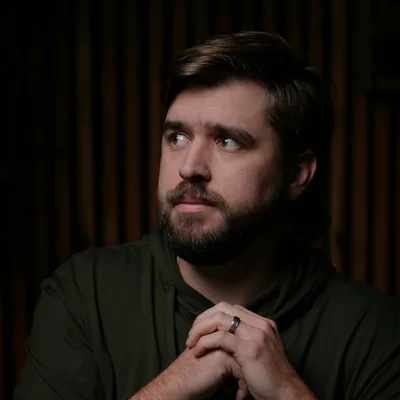
About Michael
I'm Michael, a mental health creator, recovered alcoholic, future therapist, and the host of Sober Psychology. After realizing how much of the traditional mental health conversation misses the mark, I decided to build a space dedicated to raw, unfiltered self-examination and personal healing. My approach combines psychological principles with brutal honesty and hard truths, cutting through the noise to help people navigate their own growth. No toxic positivity, no hidden shame—just real conversations about what it actually takes to heal.