The terrifying psychology of relapse (It’s not because you’re weak)
You didn't relapse because you're weak or broken. Let’s talk about the terrifying efficiency of your brain and the neuroscience of self-sabotage. 🧠🛑
Welcome to Sober Psychology. I'm Michael, a psychologist in training and a sober dad. Today, we are dissecting the clinical mechanics of relapse and taking the shame out of your setbacks.
Most people think relapse happens on your worst days—when tragedy hits or the bank account hits zero. But clinical data shows something completely different: you're most likely to burn your life to the ground on a random, quiet Tuesday when things are actually going well. Why? Because your brain views healing as an unpredictable threat, and the anxiety of waiting for the other shoe to drop becomes so agonizing that you drop it yourself just to regain control.
In this episode, we are breaking down:
• The neuroscience of the "Extinction Burst" • The illusion of control in chronic self-sabotage • The Biblical reality of why the "old man" fights the hardest right before he dies
💬 Let me know in the comments: Have you ever caught yourself self-sabotaging purely because things were going "too well"?
If you want to mix the hard data of psychology, the brutal truth of the Bible, and real talk on sobriety to figure out how to get out of the mess together, hit that SUBSCRIBE button.
🔗 Watch next: [Insert Link to related video, e.g., "The Dark Side of the Savior Complex"]
This video is for general educational purposes and is not a substitute for professional medical or mental health advice, diagnosis, or treatment. If you are in crisis or having thoughts of harming yourself, call or text 988 (Suicide & Crisis Lifeline) or go to your nearest emergency room.
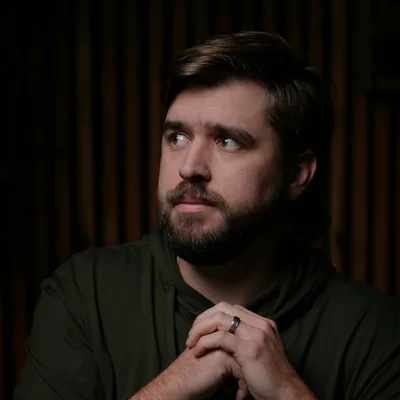
About Michael
I'm Michael, a mental health creator, recovered alcoholic, future therapist, and the host of Sober Psychology. After realizing how much of the traditional mental health conversation misses the mark, I decided to build a space dedicated to raw, unfiltered self-examination and personal healing. My approach combines psychological principles with brutal honesty and hard truths, cutting through the noise to help people navigate their own growth. No toxic positivity, no hidden shame—just real conversations about what it actually takes to heal.