How Big Pharma Turned Love Into a Disease
Did you know that if you grieve the loss of a loved one for more than two weeks, the medical system can legally classify you as mentally ill?
The unsettling truth is that the people who write the psychiatric manual (the DSM) often have massive financial ties to the very pharmaceutical companies manufacturing these drugs. In older versions of the manual, the "bereavement exclusion" protected you. It recognized that if your spouse or child died and you were deeply depressed, you weren't broken—you were a human being experiencing natural grief.
But in the DSM-5, they removed that exclusion. Now, two weeks of sleeplessness and weeping after a devastating loss means a doctor can hand you a chemical prescription. They didn't cure a disease; they pathologized love. They corporate-sponsored the normal human response to loss just to expand their market share. To them, you aren't a patient. You're a customer.
Let's stop letting corporate metrics define human emotion. Hit that Subscribe button, drop your thoughts in the comments, and like this video to help expose the monetization of human suffering.
⚠️ CRITICAL MEDICAL DISCLAIMER: I am a psychologist in training, not a psychiatrist. This video is intended strictly for educational, social science commentary, and awareness purposes. Never alter, stop, or start any psychiatric medication or medical treatment without direct supervision from a licensed medical professional.
This video is for general educational purposes and is not a substitute for professional medical or mental health advice, diagnosis, or treatment. If you are in crisis or having thoughts of harming yourself, call or text 988 (Suicide & Crisis Lifeline) or go to your nearest emergency room.
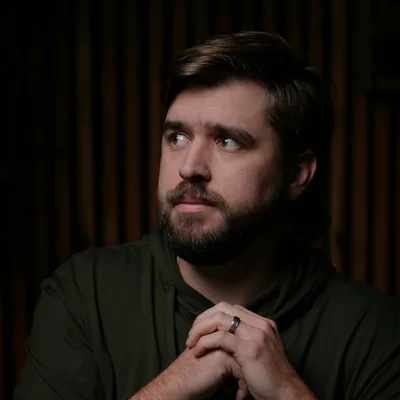
About Michael
I'm Michael, a mental health creator, recovered alcoholic, future therapist, and the host of Sober Psychology. After realizing how much of the traditional mental health conversation misses the mark, I decided to build a space dedicated to raw, unfiltered self-examination and personal healing. My approach combines psychological principles with brutal honesty and hard truths, cutting through the noise to help people navigate their own growth. No toxic positivity, no hidden shame—just real conversations about what it actually takes to heal.