The Surprising Truth About Old School Therapy!
“Psychoanalysis, Carl Rogers & Why ‘Just Listening’ Isn’t Enough 🎙️🧠”
Here’s your little psychology history snack: Back in the day, psychoanalysts (shout-out to Freud’s couch and your repressed mother issues) had about a 30–40% success rate according to a 1990 American Psychologist study. Decent odds? Maybe — but you’d basically spend years and your entire savings just to maybe feel 10% less miserable.
Enter the Humanists — cue Carl Ransom Rogers, the soft-spoken legend who basically said: “Hey, maybe the client isn’t a broken machine. Maybe they just need someone to actually listen and give a damn.” He pioneered client-centered therapy — all about empathy, warmth, and unconditional positive regard.
And guess what? Science backs it up: A 2019 meta-analysis in Psychotherapy found that empathy-driven therapy boosts outcomes by 50% across all disorders.
But — and this is big — some therapists took that vibe and ran too far. They’re out here nodding like bobbleheads, charging you $150 an hour just to say “Mmm, tell me more…” without giving you any real tools to fix your mess.
Lesson? Empathy is gold — but you deserve more than a professional listener. Find someone who understands and equips you. You’re not paying for a TED Talk — you’re paying for change.
This video is for general educational purposes and is not a substitute for professional medical or mental health advice, diagnosis, or treatment. If you are in crisis or having thoughts of harming yourself, call or text 988 (Suicide & Crisis Lifeline) or go to your nearest emergency room.
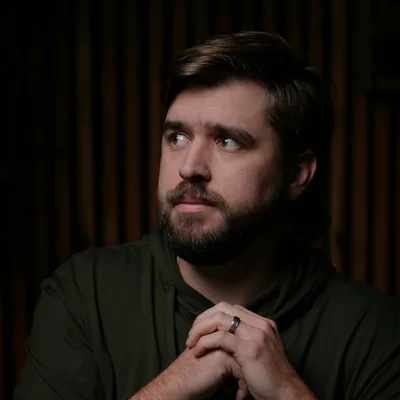
About Michael
I'm Michael, a mental health creator, recovered alcoholic, future therapist, and the host of Sober Psychology. After realizing how much of the traditional mental health conversation misses the mark, I decided to build a space dedicated to raw, unfiltered self-examination and personal healing. My approach combines psychological principles with brutal honesty and hard truths, cutting through the noise to help people navigate their own growth. No toxic positivity, no hidden shame—just real conversations about what it actually takes to heal.