Is AA Really a Cult or Just Misunderstood?
🔥 AA Stigma: Cult or Misunderstood Lifeline? 🔥
Let’s start with the juicy stuff—the stigma. Public perception of Alcoholics Anonymous is basically like that ex who talks trash about you: half truth, half hysteria. People scream “cult” because of the God talk, the anonymity that feels secretive, and those group chants that sound like a low-budget horror flick.
Scroll Reddit for two minutes and you’ll see posts like: 👉 “My ex-sponsor told me I can’t think for myself. AA is definitely a cult.” 👉 “It’s just brainwashing with coffee and cigarettes.”
Even Wikipedia acknowledges “concerns about its perceived religious nature and allegations of cult-like elements.”
But here’s where psychology enters the picture: stigma doesn’t just target AA—it targets alcoholism itself. A 2023 study in Drug and Alcohol Review found that alcohol stigma drives prejudice and makes people hide recovery like it’s a dirty secret. So of course AA’s anonymity gets twisted into cult-like secrecy.
Now for the dark humor: if AA is a cult, it’s the worst one ever. No Kool-Aid, no dues, and you can leave any time—no one chases you out the door. In fact, they probably won’t even notice.
So, is AA truly a cult, or just a misunderstood support system with some quirks? That’s the stigma we’re unpacking today.
This video is for general educational purposes and is not a substitute for professional medical or mental health advice, diagnosis, or treatment. If you are in crisis or having thoughts of harming yourself, call or text 988 (Suicide & Crisis Lifeline) or go to your nearest emergency room.
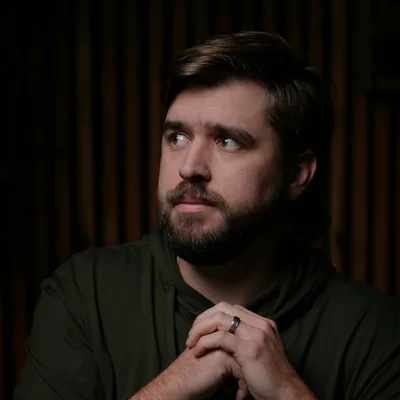
About Michael
I'm Michael, a mental health creator, recovered alcoholic, future therapist, and the host of Sober Psychology. After realizing how much of the traditional mental health conversation misses the mark, I decided to build a space dedicated to raw, unfiltered self-examination and personal healing. My approach combines psychological principles with brutal honesty and hard truths, cutting through the noise to help people navigate their own growth. No toxic positivity, no hidden shame—just real conversations about what it actually takes to heal.