Why Do People Think AA Is a Cult?
⚠️ AA’s “Cult Identity” or Just a Misunderstood Narrative? ⚠️
One of the biggest criticisms of Alcoholics Anonymous is the lifelong label—“once an alcoholic, always an alcoholic.” Critics (like those on Intrepid Recovery) argue it feels like a cult identity trap. Pop psychology calls this the illness narrative, and it’s not just talk—there’s a 2020 study in Addiction Research & Theory showing ex-members often felt disappointed by that rigid framing.
And here’s where stigma makes it worse: people avoid AA because they think it’s just for “losers” or “Jesus freaks.” But let’s be brutally honest—if you’re blacking out every weekend or running to the bottle every time life hurts, you’re already in a cult. It’s called addiction. The only difference? Addiction doesn’t give you free coffee and donuts.
Even on Twitter (or X, if we’re being fancy), the conversation’s split. Some users rant about AA’s “lunatic vibes,” while others defend it as absolutely life-saving. That tension shows the deeper truth: the stigma surrounding both alcoholism and AA does far more harm than good. It doesn’t push people into recovery—it keeps them in hiding.
So maybe the real question isn’t “Is AA a cult?” but rather: what cult are you serving—addiction, or recovery?
This video is for general educational purposes and is not a substitute for professional medical or mental health advice, diagnosis, or treatment. If you are in crisis or having thoughts of harming yourself, call or text 988 (Suicide & Crisis Lifeline) or go to your nearest emergency room.
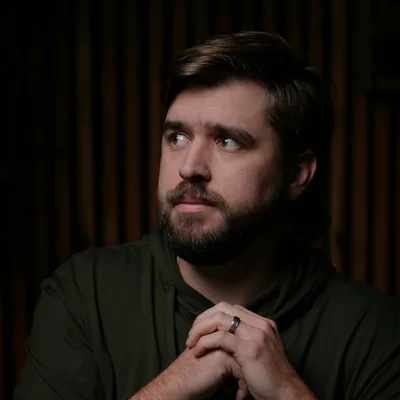
About Michael
I'm Michael, a mental health creator, recovered alcoholic, future therapist, and the host of Sober Psychology. After realizing how much of the traditional mental health conversation misses the mark, I decided to build a space dedicated to raw, unfiltered self-examination and personal healing. My approach combines psychological principles with brutal honesty and hard truths, cutting through the noise to help people navigate their own growth. No toxic positivity, no hidden shame—just real conversations about what it actually takes to heal.