Millennials vs Their Fake Selves (Role Confusion Explained)
Did early social media completely hijack your identity formation? 🧠
As Millennials, our adolescence collided with the single most disruptive technological shift in human history: the birth of the consumer internet. We remember the world before the algorithms, but we were young enough to have our psychological development permanently altered by them. Right when we were supposed to be navigating Erik Erikson’s crucial developmental stage of Identity vs. Role Confusion, we were handed digital mirrors.
Identity stopped being forged through real-world trial, error, and physical friction. Instead, it became an asset to be curated, edited, and optimized for public consumption. We traded the validation loop of childhood participation trophies for a dopamine machine of likes, comments, and follower counts. The clinical reality check? We didn’t learn how to develop a stable sense of self—we learned how to maintain a digital brand. And when that curated brand clashes with your chaotic internal reality, the resulting cognitive dissonance manifests as chronic, low-grade anxiety.
👇 Let me know in the comments: Do you feel the tension between your true self and your digital brand? Let’s talk about it.
If this psychological breakdown hits close to home, make sure to LIKE, drop a COMMENT, and SUBSCRIBE to the channel for more raw insights!
This video is for general educational purposes and is not a substitute for professional medical or mental health advice, diagnosis, or treatment. If you are in crisis or having thoughts of harming yourself, call or text 988 (Suicide & Crisis Lifeline) or go to your nearest emergency room.
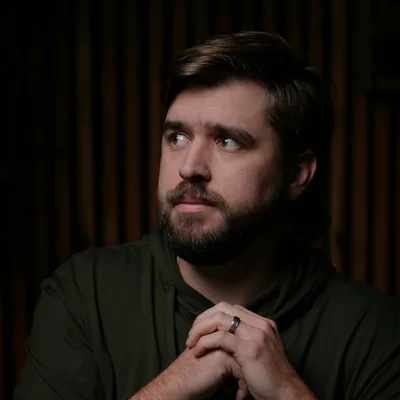
About Michael
I'm Michael, a mental health creator, recovered alcoholic, future therapist, and the host of Sober Psychology. After realizing how much of the traditional mental health conversation misses the mark, I decided to build a space dedicated to raw, unfiltered self-examination and personal healing. My approach combines psychological principles with brutal honesty and hard truths, cutting through the noise to help people navigate their own growth. No toxic positivity, no hidden shame—just real conversations about what it actually takes to heal.