The Real Reason You Procrastinate Revealed!
🔥 “Why You Keep Screwing Yourself Over (And How to Stop)” 🔥
You sabotage yourself because winning feels scarier than losing. Let that sink in — deep. Self-sabotage isn’t just a little oopsie — it’s you laying down traps for yourself and then bawling when you step in them. Procrastinating on that project? Ghosting a decent date? Cracking open a bottle to “celebrate” a win that scares you? That’s Olympic-level self-sabotage, my friend. 🏅
Here’s the raw psychology: A 2019 study in Personality and Individual Differences found self-sabotage is fueled by low self-esteem, fear of failure, and your twisted need to protect your fragile ego. You’re terrified to prove you’re not the loser you secretly think you are. So instead, you torch your progress and stay comfy in your misery pit. Because in that pit, there’s no pressure, no expectations — just your excuses to cuddle at night.
Look, I get it. Been there, done that. But here’s your wake-up call: Success is supposed to scare you. That means you’re growing. Staying stuck is just you choosing fear over freedom.
I’m Michael — psychologist in training, sober dad, and here to slap you awake with the truth. Drop a 🔥 if you’re ready to stop being your own worst enemy.
👇 What’s the dumbest way you’ve ever sabotaged your own success? Let’s get real in the comments.
This video is for general educational purposes and is not a substitute for professional medical or mental health advice, diagnosis, or treatment. If you are in crisis or having thoughts of harming yourself, call or text 988 (Suicide & Crisis Lifeline) or go to your nearest emergency room.
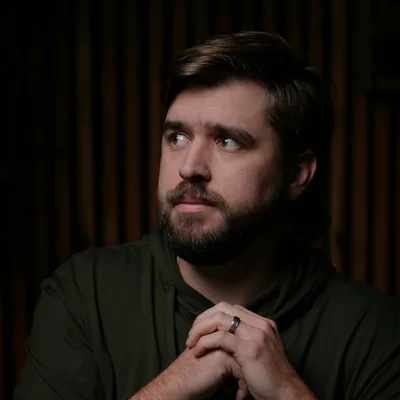
About Michael
I'm Michael, a mental health creator, recovered alcoholic, future therapist, and the host of Sober Psychology. After realizing how much of the traditional mental health conversation misses the mark, I decided to build a space dedicated to raw, unfiltered self-examination and personal healing. My approach combines psychological principles with brutal honesty and hard truths, cutting through the noise to help people navigate their own growth. No toxic positivity, no hidden shame—just real conversations about what it actually takes to heal.