Is Society Missing the Real Crisis?
⚡ “Masculinity isn’t toxic—it’s missing. And society is paying the price.”
Yo, what is up, you absolute legends in the making? Welcome back to Sober Psychology, where we don’t whisper sweet nothings about your mental health—we rip the truth out by the roots and slap it across your face with a side of dark humor.
I’m Michael, your host—a sober dad, psychologist in training, and a guy who’s seen firsthand how the real crisis isn’t just in the bottle, it’s in the mirror. Men today are staring back at themselves after being told to shrink, apologize, and disappear. And the fallout? Families, communities, and entire societies buckling under the weight of lost men.
Today we’re tackling the masculinity issue: 👉 How politics, feminism, society, and even modern Christianity have castrated traditional manhood. 👉 Why men feel like walking apologies for existing. 👉 And what it’s going to take to revive healthy masculinity—Frankenstein-style—before everything crumbles into a pile of emasculated dust.
If you’re a man who feels stuck in a fog of confusion, or a woman wondering why the men in your life seem powerless and passive, this episode’s going to hit like a freight train. 🚂
💬 Drop your thoughts below—do you think society is starving for real masculinity, or has it evolved past it?
This video is for general educational purposes and is not a substitute for professional medical or mental health advice, diagnosis, or treatment. If you are in crisis or having thoughts of harming yourself, call or text 988 (Suicide & Crisis Lifeline) or go to your nearest emergency room.
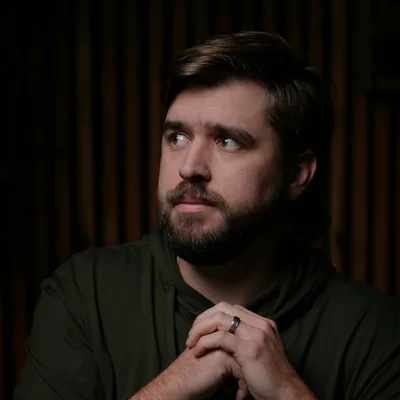
About Michael
I'm Michael, a mental health creator, recovered alcoholic, future therapist, and the host of Sober Psychology. After realizing how much of the traditional mental health conversation misses the mark, I decided to build a space dedicated to raw, unfiltered self-examination and personal healing. My approach combines psychological principles with brutal honesty and hard truths, cutting through the noise to help people navigate their own growth. No toxic positivity, no hidden shame—just real conversations about what it actually takes to heal.