Can You Trust Your Own Thoughts?
⚡ “The real crisis in men’s mental health? Suppressed masculinity.”
I’ll be real with you—today’s episode is more bullet points than polished script. But sometimes that’s better, because this one could get heated. I’ve done the research, pulled the studies, and now I’m going to let it flow.
Here’s the thing: I’m not saying men are supposed to dominate the world. Far from it. What I am saying is that one of the biggest threats to men’s mental health right now is the suppression of masculinity. And that’s going to be a recurring theme on this channel, because it’s everywhere—from culture, to politics, to even the church.
👉 Ladies, this is where I need you. Don’t just hear “toxic rant.” I want your input. Your perspective. Your pushback. Drop it in the comments—tear this apart if you want. Call me toxic. Let’s have the conversation. Because that’s how we actually get somewhere.
And fellas, same goes for you. Suppressing who you are isn’t making you healthier—it’s breaking you. And we’re going to keep unpacking this in deeper episodes.
💬 Comment below: Do you think masculinity is being suppressed—or just reshaped? Let’s go.
This video is for general educational purposes and is not a substitute for professional medical or mental health advice, diagnosis, or treatment. If you are in crisis or having thoughts of harming yourself, call or text 988 (Suicide & Crisis Lifeline) or go to your nearest emergency room.
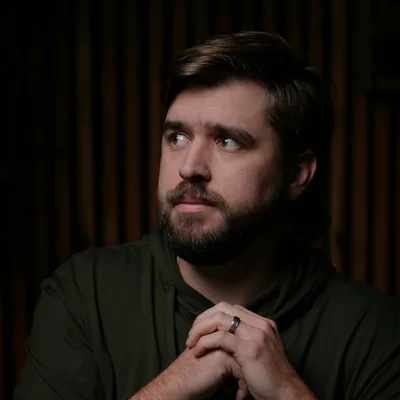
About Michael
I'm Michael, a mental health creator, recovered alcoholic, future therapist, and the host of Sober Psychology. After realizing how much of the traditional mental health conversation misses the mark, I decided to build a space dedicated to raw, unfiltered self-examination and personal healing. My approach combines psychological principles with brutal honesty and hard truths, cutting through the noise to help people navigate their own growth. No toxic positivity, no hidden shame—just real conversations about what it actually takes to heal.