Society Wants Soft Men AND Complains About Weak Men
⚡ “You wanna revive masculinity? Start calling BS on the lie that all male traits are toxic.”
Look—I know I can be an asshole sometimes. I’m too quick with my tongue. I blow up faster than I should. That’s not healthy masculinity. That’s just immaturity. But here’s the thing: not every strong trait is toxic. Some of them are lifelines.
For me? Anger is the first emotion I run to. If I’m hurt, scared, or sad, it’s easier to flip to anger than to sit in the pain. And sometimes, that anger comes out wrong. But healthy masculinity isn’t about never feeling anger—it’s about channeling it. Instead of exploding, you step back and draw a line: “You’re not going to disrespect my family like that. Let’s talk about this.” That’s strength with control.
Politics loves to play this game: “Men should be softer, more like women.” And then in the same breath? They complain about the soy boy epidemic. Society can’t have it both ways. What we actually need is real men—not walking apologies.
💬 Fellas—what’s the toughest part for you: controlling your anger or speaking up when you should? Drop it below 👇
This video is for general educational purposes and is not a substitute for professional medical or mental health advice, diagnosis, or treatment. If you are in crisis or having thoughts of harming yourself, call or text 988 (Suicide & Crisis Lifeline) or go to your nearest emergency room.
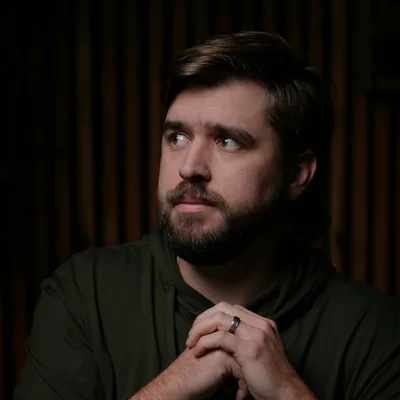
About Michael
I'm Michael, a mental health creator, recovered alcoholic, future therapist, and the host of Sober Psychology. After realizing how much of the traditional mental health conversation misses the mark, I decided to build a space dedicated to raw, unfiltered self-examination and personal healing. My approach combines psychological principles with brutal honesty and hard truths, cutting through the noise to help people navigate their own growth. No toxic positivity, no hidden shame—just real conversations about what it actually takes to heal.