Why Do Men Feel They Have To Protect?
⚡ “Protection isn’t toxic—it’s responsibility.”
Women carry their own curse—cycles, childbirth, the physical toll of bringing life into the world. Men were charged differently: to work, to provide, to protect. It’s a natural instinct woven into who we are. Yet somehow, society has twisted that into “toxic masculinity.”
Let me be clear: if someone breaks into my home with the intent to harm my family, I will be the frontline of defense every single time. I will lay down my life to make sure theirs is protected. And calling that toxic? That’s insanity.
The truth is, men wrestle with emotional struggles just like anyone else—mental health battles, insecurities, fears. But instead of being given space to face them, we’re told: “toughen up, suppress it, deal with it.” That suppression doesn’t make men stronger. It makes them brittle.
Masculinity isn’t the problem. The problem is a culture that shames men for doing what they were created to do while denying them the tools to process their pain.
💬 Fellas, how do you balance being the protector with handling your own mental health? Drop your thoughts 👇
This video is for general educational purposes and is not a substitute for professional medical or mental health advice, diagnosis, or treatment. If you are in crisis or having thoughts of harming yourself, call or text 988 (Suicide & Crisis Lifeline) or go to your nearest emergency room.
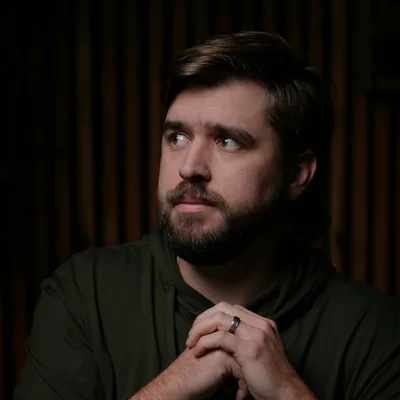
About Michael
I'm Michael, a mental health creator, recovered alcoholic, future therapist, and the host of Sober Psychology. After realizing how much of the traditional mental health conversation misses the mark, I decided to build a space dedicated to raw, unfiltered self-examination and personal healing. My approach combines psychological principles with brutal honesty and hard truths, cutting through the noise to help people navigate their own growth. No toxic positivity, no hidden shame—just real conversations about what it actually takes to heal.