How I Stay Strong When Life Gets Tough
⚡ “Jesus flipped tables too.”
Living in West Texas, where oil is king, you feel the cultural weight: if you’re the guy in school while your wife works, you get labeled weak. A wimp. That pressure eats at you. And I’ll be real—it’s tough. But here’s the thing: identity doesn’t come from West Texas, or oilfield culture, or what anyone else thinks. It comes from God.
When I ask Him, “Who did You create me to be?” the answer is clear: not a man who rolls over and plays dead. I don’t quit easily. And when I do, it’s ugly—I give up everything, isolate, maybe even drink again. That’s why awareness is key.
And when I look at Scripture? I see balance. David—the shepherd boy and the warrior king. Jesus—loving, serving, tender, but also the man who flipped tables and drove out corruption with a whip. Tough and tender. Strength and compassion.
But modern Western church often pushes passivity. “Suppress your aggression. Don’t show strength.” That’s not biblical masculinity. That’s neutered masculinity.
👉 Real manhood is balance. Strong enough to fight, humble enough to serve. Tough enough to protect, tender enough to love.
💬 Fellas—do you feel the church teaches men to be strong, or to suppress? Drop your take 👇
This video is for general educational purposes and is not a substitute for professional medical or mental health advice, diagnosis, or treatment. If you are in crisis or having thoughts of harming yourself, call or text 988 (Suicide & Crisis Lifeline) or go to your nearest emergency room.
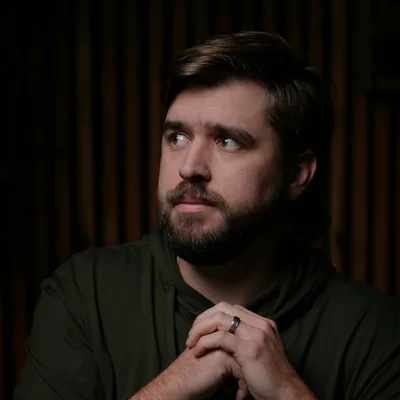
About Michael
I'm Michael, a mental health creator, recovered alcoholic, future therapist, and the host of Sober Psychology. After realizing how much of the traditional mental health conversation misses the mark, I decided to build a space dedicated to raw, unfiltered self-examination and personal healing. My approach combines psychological principles with brutal honesty and hard truths, cutting through the noise to help people navigate their own growth. No toxic positivity, no hidden shame—just real conversations about what it actually takes to heal.