Why Jesus Didn’t Validate His Trauma
Ever wonder why we actively hold onto the things that break us? Let’s break down the hidden psychology behind one of the most intense questions ever asked: "Do you want to be healed?"
For 38 years, this man’s paralysis wasn't just a physical condition—it had become a profound psychological crutch. When absolute freedom stood right in front of him, he didn’t give a straight "yes." Instead, he immediately rattled off a list of systemic excuses, blaming his environment and his lack of support.
What Jesus does next is a clinical masterclass in radical personal agency. He doesn’t validate the excuses, dive into a 30-minute trauma assessment, or offer comfort. He gives a direct command: "Get up, pick up your mat, and walk."
The clinical brilliance here is deep. The mat was the literal symbol of his helplessness. By forcing him to roll it up and carry it, Jesus ensured he could never use it as a safety net to return to that pool again. True, biblically sound, and psychologically whole healing requires you to realize that no human institution is going to save you. It’s time to take radical accountability, pick up your mat, and start walking through real life.
💬 What is the "mat" you are refusing to pick up today? Let’s talk about it in the comments below.
If this challenged your perspective, hit that Like button and Subscribe for more deep dives into behavioral psychology, faith, and mindset shifts.
This video is for general educational purposes and is not a substitute for professional medical or mental health advice, diagnosis, or treatment. If you are in crisis or having thoughts of harming yourself, call or text 988 (Suicide & Crisis Lifeline) or go to your nearest emergency room.
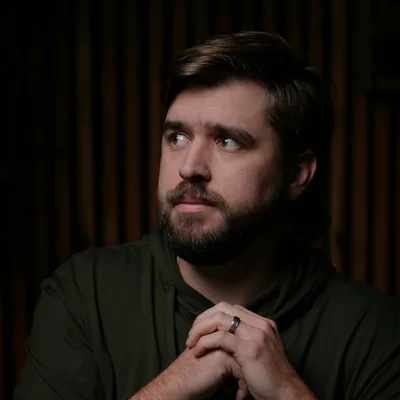
About Michael
I'm Michael, a mental health creator, recovered alcoholic, future therapist, and the host of Sober Psychology. After realizing how much of the traditional mental health conversation misses the mark, I decided to build a space dedicated to raw, unfiltered self-examination and personal healing. My approach combines psychological principles with brutal honesty and hard truths, cutting through the noise to help people navigate their own growth. No toxic positivity, no hidden shame—just real conversations about what it actually takes to heal.