Predictable Misery vs Unpredictable Happiness |
Does a quiet, peaceful evening trigger your fight-or-flight response? Let's talk about the "Boss Fight" theory of trauma and the Upper Limit Problem. 🎮🧠
If you play video games, you know exactly what it means when you're walking through a hallway, there are health packs everywhere, and the music suddenly stops. You're gearing up for a boss fight.
That is exactly how a traumatized brain treats a quiet Tuesday evening with Skylar. You're bracing for impact. We don't choose misery because we enjoy it; we choose it because it's predictable. Misery is the ultimate insurance policy against disappointment. If you pull the trigger and ruin the relationship yourself, at least you were the one in control.
Psychologist Gay Hendricks calls this the "Upper Limit Problem." We all have an internal thermostat for joy. When things get "too good," we trip a subconscious wire and sabotage our own lives to bring the temperature back down to our baseline of chaos. It's time to recognize the pattern and stop turning on the AC.
💬 Let me know in the comments: Do you subconsciously treat peaceful moments like the calm before a boss fight? 👇
If this reframe helped you today, hit that LIKE button and SUBSCRIBE for more raw truths on psychology, breaking toxic cycles, and taking your mind back.
This video is for general educational purposes and is not a substitute for professional medical or mental health advice, diagnosis, or treatment. If you are in crisis or having thoughts of harming yourself, call or text 988 (Suicide & Crisis Lifeline) or go to your nearest emergency room.
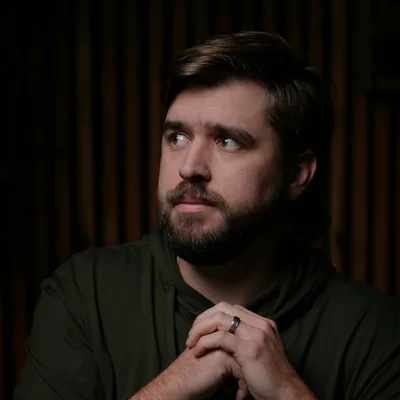
About Michael
I'm Michael, a mental health creator, recovered alcoholic, future therapist, and the host of Sober Psychology. After realizing how much of the traditional mental health conversation misses the mark, I decided to build a space dedicated to raw, unfiltered self-examination and personal healing. My approach combines psychological principles with brutal honesty and hard truths, cutting through the noise to help people navigate their own growth. No toxic positivity, no hidden shame—just real conversations about what it actually takes to heal.