Bed Rotting vs. True Rest: The Big Difference
Is your bed rotting habit actually a trauma response? Stop confusing exhaustion with recharging.
Many people think they're resting when they're actually shutting down due to overwhelm. This video breaks down the difference between true recovery and dissociation so you can finally feel energized again.
When you're completely overwhelmed by trauma or life, and you can't fight it or run from it, your body hits the emergency brake. You become a possum playing dead. That’s "bed rotting"—and it is not true rest.
I see this loop all the time. When you're rotting in bed, you aren't relaxed. Your heart rate might be low, but your internal system is stuck in a trauma response. You're disassociating because you're hiding from the world. True rest recharges you so you can return to the world; bed rotting consumes your energy because you're terrified of it.
If you lie in bed for 6 hours and feel worse, it's because you're messing up your circadian rhythm. Doing this in a dark room with the curtains drawn tells your brain the apocalypse has arrived! Your biology demands a fix: you need morning sunlight hitting your eyes. This isn't woo-woo hippie nonsense; it’s lab-level science. Sunlight signals your suprachiasmatic nucleus (SCN) to trigger a morning cortisol spike. That spike isn't bad—it's your biological "get up and go" signal that resets your internal sleep timer for 16 hours later.
Are you actually resting, or are you just hiding? Let me know your thoughts in the comments. Hit that Subscribe button, like this video, and let's start breaking the cycle of numbness together.
🔗 Dive deeper into the psychology of rest with our community: [Link to Discord Server/Full Episode]
This video is for general educational purposes and is not a substitute for professional medical or mental health advice, diagnosis, or treatment. If you are in crisis or having thoughts of harming yourself, call or text 988 (Suicide & Crisis Lifeline) or go to your nearest emergency room.
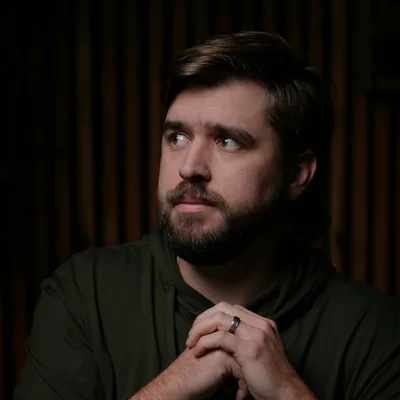
About Michael
I'm Michael, a mental health creator, recovered alcoholic, future therapist, and the host of Sober Psychology. After realizing how much of the traditional mental health conversation misses the mark, I decided to build a space dedicated to raw, unfiltered self-examination and personal healing. My approach combines psychological principles with brutal honesty and hard truths, cutting through the noise to help people navigate their own growth. No toxic positivity, no hidden shame—just real conversations about what it actually takes to heal.