Stop Oversharing Therapy vs Group Chat for Addicts
🚫 “Oversharing Is Like Peeing in Public”
Let’s be honest—some things belong in a therapist’s office, not the group chat.
When you're in recovery, oversharing feels like connection. But most of the time? It’s emotional exposure without safety.
A therapist works because they’ve got no skin in the game. They’re neutral. No emotional baggage. No opinions about your mom. Just trained, analytical insight and a confidential space to actually work on what’s eating at you.
💡 A 2021 study in American Psychologist found that therapy reduces oversharing by 50%—by getting to the root causes like anxiety, shame, and trauma. CBT? Still undefeated.
In recovery, especially early on, a therapist who understands addiction—bonus points if they’re in recovery—can help you unpack without hijacking a meeting or trauma-dumping on someone who just asked how your day was.
And listen, I get it. I’ve gone from drunkenly confessing my sins to a bar full of strangers… to learning to keep my trap shut (mostly). If I can do it, so can you.
Because oversharing? It's like peeing in public. Feels relieving for a second. But afterward? Everyone's uncomfortable.
This video is for general educational purposes and is not a substitute for professional medical or mental health advice, diagnosis, or treatment. If you are in crisis or having thoughts of harming yourself, call or text 988 (Suicide & Crisis Lifeline) or go to your nearest emergency room.
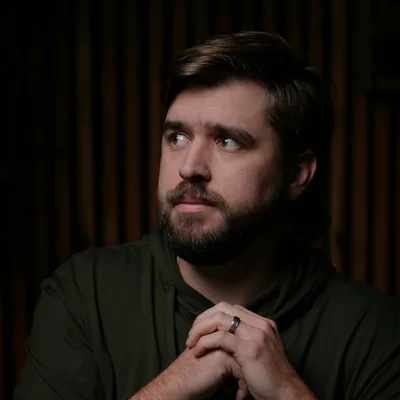
About Michael
I'm Michael, a mental health creator, recovered alcoholic, future therapist, and the host of Sober Psychology. After realizing how much of the traditional mental health conversation misses the mark, I decided to build a space dedicated to raw, unfiltered self-examination and personal healing. My approach combines psychological principles with brutal honesty and hard truths, cutting through the noise to help people navigate their own growth. No toxic positivity, no hidden shame—just real conversations about what it actually takes to heal.