Why I had to stop oversharing
🎯 “Oversharing Is the Emotional Equivalent of Drunk Texting Your Ex” | Recovery & Relapse Risk Short
Here’s the raw truth: oversharing might feel good for five seconds—until you’re in the shower regretting your entire life. It’s like drunk texting your ex. You get that hit of connection, maybe even a response… and then? Instant regret. Zero stability. Total emotional whiplash.
🧠 A 2022 study in Substance Abuse found that 55% of relapsed addicts cited social disconnection as a key factor—and much of that disconnection comes from oversharing backlash.
Oversharing can push people away. And when your support system starts pulling back? That isolation doesn’t just sting—it triggers relapse.
I’m a verbal processor too, so I get it. I’ve turned simple questions from my wife into full-blown trauma TED Talks. She’s sitting there, eyes glazed, because her brain can’t take in any more info. It’s not connection at that point—it’s emotional flooding.
So here’s the practice: 🔍 Ask yourself, “What are my motives?” Am I sharing to connect—or to be validated? Am I trying to process—or perform?
Oversharing is a tightrope. But learning when to pause and reflect is the safety net.
This video is for general educational purposes and is not a substitute for professional medical or mental health advice, diagnosis, or treatment. If you are in crisis or having thoughts of harming yourself, call or text 988 (Suicide & Crisis Lifeline) or go to your nearest emergency room.
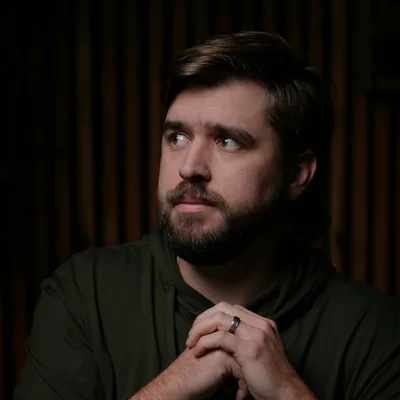
About Michael
I'm Michael, a mental health creator, recovered alcoholic, future therapist, and the host of Sober Psychology. After realizing how much of the traditional mental health conversation misses the mark, I decided to build a space dedicated to raw, unfiltered self-examination and personal healing. My approach combines psychological principles with brutal honesty and hard truths, cutting through the noise to help people navigate their own growth. No toxic positivity, no hidden shame—just real conversations about what it actually takes to heal.