Validation Trap
6 episodes tagged "Validation Trap".
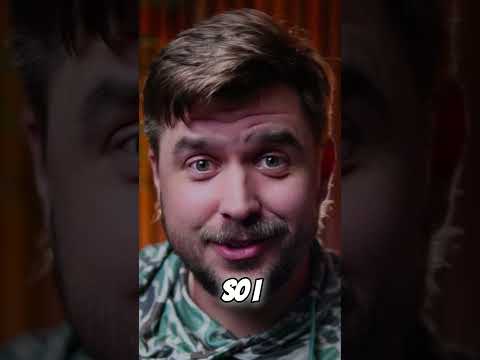
Oversharing Why We Do It & How to Stop
📢 “Why I Overshare (and Why You Might Too)” | Part 1: What Is Oversharing? | Sober Psychology Short Let’s be real—I have a problem with oversharing, and that’s exactly why I’m making this episode. Not a ton of Freud in this one (you're welcome), but we are getting honest about why we do this, especially in recovery. For me? Oversharing usually comes from seeking validation. It’s that deep-rooted belief: “I’m not good enough, so let me tell you my life story in five minutes or less and maybe—just maybe—you’ll like me.” I’ve done this with friends. With family. With strangers. With… you guys. Maybe that’s why I even started this YouTube channel—to find some way to be validated for oversharing. Might as well hit record, right? But here’s the working definition for Part 1: 👉 Oversharing is when you dump your emotional baggage on someone who didn’t ask for it. It's trauma-bonding with your coworker over lunch. It's tweeting your mental breakdown to 47 followers and a bot named Greg. It’s too much, too soon, to the wrong person. And it doesn’t heal you—it leaves you hollow. Let’s dig deeper. Hit me up in the comments once this drops. We’re just getting started.

Toxic Dance Oversharing, Addiction, and Finding Balance
🕺 “Oversharing & Addiction: The Toxic Dance of Validation” | Sober Psychology Short Welcome to Part 3—Oversharing and Addiction: The Toxic Dance. Think Bonnie and Clyde—partners in crime, chaotic chemistry, and bound to wreck your life if left unchecked. Here’s how these two feed off each other: 🧠 1. Seeking Validation Addiction often starts with a deep sense of inadequacy. A 2018 study in Drug and Alcohol Dependence found that 60% of addicts use substances to cope with feelings of low self-worth. So what happens in recovery? You’re sober now, but still starving for validation—so you start oversharing just to feel seen. ⚡ 2. Impaired Impulse Control Addiction rewires the brain. That means your filter is shot. You might not intend to trauma-dump, but your impulse control isn’t fully restored yet. You say too much, too soon, to the wrong people. 👥 3. Group Dynamics in Recovery AA, NA, support groups—they’re built on honesty. But when you dominate the room or spill too much, it disrupts the space. People pull back. You feel rejected. And that? That isolation can push you right back toward your substance of choice. Look—this isn’t about silencing your story. 🧭 It’s about finding the line, reading the room, and sharing with purpose, not panic. You’re not being asked to bottle things up. You’re being invited to heal with wisdom.

Why I had to stop oversharing
🎯 “Oversharing Is the Emotional Equivalent of Drunk Texting Your Ex” | Recovery & Relapse Risk Short Here’s the raw truth: oversharing might feel good for five seconds—until you’re in the shower regretting your entire life. It’s like drunk texting your ex. You get that hit of connection, maybe even a response… and then? Instant regret. Zero stability. Total emotional whiplash. 🧠 A 2022 study in Substance Abuse found that 55% of relapsed addicts cited social disconnection as a key factor—and much of that disconnection comes from oversharing backlash. Oversharing can push people away. And when your support system starts pulling back? That isolation doesn’t just sting—it triggers relapse. I’m a verbal processor too, so I get it. I’ve turned simple questions from my wife into full-blown trauma TED Talks. She’s sitting there, eyes glazed, because her brain can’t take in any more info. It’s not connection at that point—it’s emotional flooding. So here’s the practice: 🔍 Ask yourself, “What are my motives?” Am I sharing to connect—or to be validated? Am I trying to process—or perform? Oversharing is a tightrope. But learning when to pause and reflect is the safety net.

Oversharing in Recovery A Deadly Tightrope Walk
⚠️ “Oversharing in Recovery: When Support Turns Into Isolation” | Sober Psychology Short Let’s get serious: in recovery, oversharing isn’t just awkward—it can be deadly. Your AA crew? Your sober network? They're there to help. But they’re not your emotional dumpster. There’s a line—and if you cross it too often, you start to alienate the very people who are there to walk with you. 🪂 Oversharing in recovery is a tightrope. In early sobriety, I thought my story was profound. I spilled every gritty detail in AA, chasing validation and hoping my pain would land like a TED Talk. Instead? Half the room was checking their watches. And I walked out feeling naked—like I’d given away something sacred I couldn’t get back. That kind of vulnerability—without safety—hurts. It doesn’t connect you. It isolates you. And isolation? That’s a fast track back to the bottle. So here's the truth: 🔒 Be honest. Be open. But don’t bleed on people who didn’t cut you. Guard your story. Share it where it heals—not where it hollows you out.

Stop Oversharing Reclaim Meetings and Respect Boundaries
🎙️ “Oversharing in Recovery Groups: You’re Not the Only One with a Story” | Tough Love Short Let’s talk about a hard truth that needs to be said in recovery: Oversharing doesn’t just drain the room—it alienates the people trying to heal beside you. Look, I get it. In my first year sober, I treated AA like it was my personal TED Talk. Every meeting? A 30-minute monologue about my rock bottom—every gritty detail. I thought I was inspiring people. Truth is, I was just exhausting them. 📉 A study found that 40% of group members feel less engaged when someone overshares excessively. And it’s not just about hogging time—it’s a validation trap. You’re not connecting. You’re performing. And eventually, people roll their eyes, check their watches, and disconnect. I had a guy pull me aside and say, “Michael, we get it. You were a mess. So were we. Just freaking move on.” Oof. Gut punch. But he was right. 💡 Recovery meetings are for everyone. Not just your story. So learn the line between sharing to heal—and sharing to be adored. Because no one heals when the room’s too tired to listen.

Why Oversharing Is a Cry for Help
🎙️ “Verbal Diarrhea & Validation: The Psychology of Oversharing” | Raw Recovery Short Hey, I’m Michael—your host, a psychologist-in-training, and a guy who clawed his way out of the whiskey-soaked trenches of addiction. Today we’re tackling a topic that’s more uncomfortable than a hangover on a Monday: oversharing. Yeah… that thing where you dump your life story on a barista, or blast your darkest secrets to the world on social media—just for a few dopamine-fueled likes. So why do we do it? 🧠 Oversharing isn’t just awkward—it’s a psychological red flag. A 2019 study in the Journal of Social and Personal Relationships found that 60% of people overshare to seek validation. That’s not connection—that’s a cry for affirmation. For those of us in recovery, it’s also a dangerous minefield. You see, oversharing often comes from a need to be seen, but ironically it can leave you feeling more exposed, more ashamed—and more likely to relapse. This isn’t your grandma’s self-help show. We’re going raw. Unfiltered. No coddling. But yeah—it’s still love. Always love. Just don’t expect hugs after every hard truth. Stick around if you’re ready to confront it.