Oversharing in Recovery A Deadly Tightrope Walk
⚠️ “Oversharing in Recovery: When Support Turns Into Isolation” | Sober Psychology Short
Let’s get serious: in recovery, oversharing isn’t just awkward—it can be deadly.
Your AA crew? Your sober network? They're there to help. But they’re not your emotional dumpster. There’s a line—and if you cross it too often, you start to alienate the very people who are there to walk with you.
🪂 Oversharing in recovery is a tightrope. In early sobriety, I thought my story was profound. I spilled every gritty detail in AA, chasing validation and hoping my pain would land like a TED Talk. Instead? Half the room was checking their watches. And I walked out feeling naked—like I’d given away something sacred I couldn’t get back.
That kind of vulnerability—without safety—hurts. It doesn’t connect you. It isolates you. And isolation? That’s a fast track back to the bottle.
So here's the truth: 🔒 Be honest. Be open. But don’t bleed on people who didn’t cut you. Guard your story. Share it where it heals—not where it hollows you out.
This video is for general educational purposes and is not a substitute for professional medical or mental health advice, diagnosis, or treatment. If you are in crisis or having thoughts of harming yourself, call or text 988 (Suicide & Crisis Lifeline) or go to your nearest emergency room.
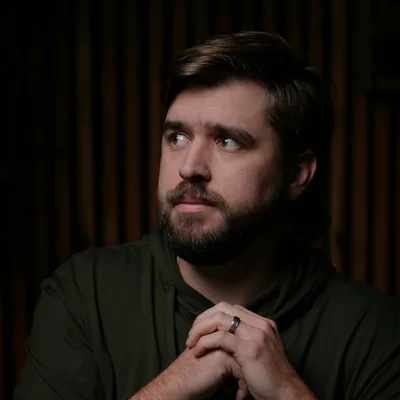
About Michael
I'm Michael, a mental health creator, recovered alcoholic, future therapist, and the host of Sober Psychology. After realizing how much of the traditional mental health conversation misses the mark, I decided to build a space dedicated to raw, unfiltered self-examination and personal healing. My approach combines psychological principles with brutal honesty and hard truths, cutting through the noise to help people navigate their own growth. No toxic positivity, no hidden shame—just real conversations about what it actually takes to heal.