Why Oversharing Is a Cry for Help
🎙️ “Verbal Diarrhea & Validation: The Psychology of Oversharing” | Raw Recovery Short
Hey, I’m Michael—your host, a psychologist-in-training, and a guy who clawed his way out of the whiskey-soaked trenches of addiction. Today we’re tackling a topic that’s more uncomfortable than a hangover on a Monday: oversharing.
Yeah… that thing where you dump your life story on a barista, or blast your darkest secrets to the world on social media—just for a few dopamine-fueled likes.
So why do we do it?
🧠 Oversharing isn’t just awkward—it’s a psychological red flag. A 2019 study in the Journal of Social and Personal Relationships found that 60% of people overshare to seek validation. That’s not connection—that’s a cry for affirmation. For those of us in recovery, it’s also a dangerous minefield.
You see, oversharing often comes from a need to be seen, but ironically it can leave you feeling more exposed, more ashamed—and more likely to relapse.
This isn’t your grandma’s self-help show. We’re going raw. Unfiltered. No coddling. But yeah—it’s still love. Always love. Just don’t expect hugs after every hard truth.
Stick around if you’re ready to confront it.
This video is for general educational purposes and is not a substitute for professional medical or mental health advice, diagnosis, or treatment. If you are in crisis or having thoughts of harming yourself, call or text 988 (Suicide & Crisis Lifeline) or go to your nearest emergency room.
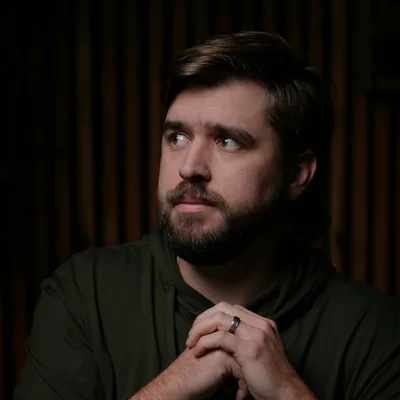
About Michael
I'm Michael, a mental health creator, recovered alcoholic, future therapist, and the host of Sober Psychology. After realizing how much of the traditional mental health conversation misses the mark, I decided to build a space dedicated to raw, unfiltered self-examination and personal healing. My approach combines psychological principles with brutal honesty and hard truths, cutting through the noise to help people navigate their own growth. No toxic positivity, no hidden shame—just real conversations about what it actually takes to heal.