The Science Behind Awkward Conversations!
🎤 “You’re Not Charming—You Just Talk Too Much” | Psychology of Conversations Short
Let’s cut to the chase: Most of you are terrible at conversation—and you don’t even know it. It’s okay. That’s why I’m here. You think you're dropping witty one-liners… but really, you're boring people to death or sounding like a self-absorbed podcast that nobody subscribed to.
How do I know? Because I’ve done it, and the science backs it up.
🧠 Dr. Robin Dunbar—yeah, the guy behind Dunbar’s Number—says conversation is the glue of human connection. Back in the day, our ancestors weren’t just mumbling about berries. They were:
Building trust
Forming alliances
Figuring out who was gonna stab them in the back
Fast-forward to 2025… and we’re still wired for connection—but we’re ruining it with: 📱 Phones 👑 Egos 🗣️ And an inability to shut up for 2 seconds
According to a 2018 study in the Journal of Language and Social Psychology, people who dominate conversations—talking 80% of the time—are seen as less likable and less trustworthy. Shocking, right?
So if you're that guy at the party yelling about your crypto portfolio while everyone else is eyeing the door… Yeah. You are the problem.
Shut up. Listen. Connect. You don’t need to impress people—you need to be human.
This video is for general educational purposes and is not a substitute for professional medical or mental health advice, diagnosis, or treatment. If you are in crisis or having thoughts of harming yourself, call or text 988 (Suicide & Crisis Lifeline) or go to your nearest emergency room.
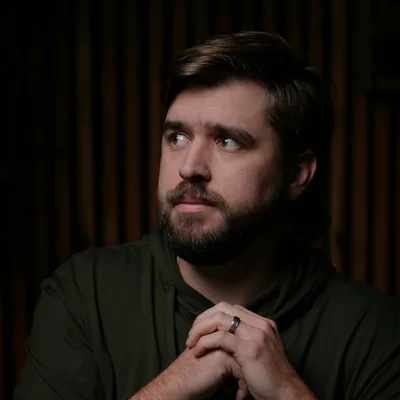
About Michael
I'm Michael, a mental health creator, recovered alcoholic, future therapist, and the host of Sober Psychology. After realizing how much of the traditional mental health conversation misses the mark, I decided to build a space dedicated to raw, unfiltered self-examination and personal healing. My approach combines psychological principles with brutal honesty and hard truths, cutting through the noise to help people navigate their own growth. No toxic positivity, no hidden shame—just real conversations about what it actually takes to heal.