Toxic Dance Oversharing, Addiction, and Finding Balance
🕺 “Oversharing & Addiction: The Toxic Dance of Validation” | Sober Psychology Short
Welcome to Part 3—Oversharing and Addiction: The Toxic Dance. Think Bonnie and Clyde—partners in crime, chaotic chemistry, and bound to wreck your life if left unchecked.
Here’s how these two feed off each other:
🧠 1. Seeking Validation Addiction often starts with a deep sense of inadequacy. A 2018 study in Drug and Alcohol Dependence found that 60% of addicts use substances to cope with feelings of low self-worth. So what happens in recovery? You’re sober now, but still starving for validation—so you start oversharing just to feel seen.
⚡ 2. Impaired Impulse Control Addiction rewires the brain. That means your filter is shot. You might not intend to trauma-dump, but your impulse control isn’t fully restored yet. You say too much, too soon, to the wrong people.
👥 3. Group Dynamics in Recovery AA, NA, support groups—they’re built on honesty. But when you dominate the room or spill too much, it disrupts the space. People pull back. You feel rejected. And that? That isolation can push you right back toward your substance of choice.
Look—this isn’t about silencing your story. 🧭 It’s about finding the line, reading the room, and sharing with purpose, not panic.
You’re not being asked to bottle things up. You’re being invited to heal with wisdom.
This video is for general educational purposes and is not a substitute for professional medical or mental health advice, diagnosis, or treatment. If you are in crisis or having thoughts of harming yourself, call or text 988 (Suicide & Crisis Lifeline) or go to your nearest emergency room.
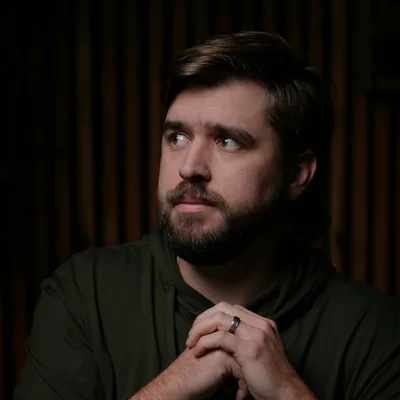
About Michael
I'm Michael, a mental health creator, recovered alcoholic, future therapist, and the host of Sober Psychology. After realizing how much of the traditional mental health conversation misses the mark, I decided to build a space dedicated to raw, unfiltered self-examination and personal healing. My approach combines psychological principles with brutal honesty and hard truths, cutting through the noise to help people navigate their own growth. No toxic positivity, no hidden shame—just real conversations about what it actually takes to heal.