Stop Oversharing Psychology of Insecurity and Relapse
🚽 “Oversharing Is Like Peeing in Public” | Sober Psychology Wrap-Up Short
Let’s just call it what it is: Oversharing is like peeing in public. Sure—it feels like relief in the moment… But what follows? Lifelong regret. 👖 Learn to zip it. You’ll thank me later.
Alright Sober Psychology fam—we’ve officially waded through the emotional swamp that is oversharing. And here’s the takeaway:
➡️ It’s not just awkward. It’s a psychological trap—a neon sign that screams insecurity. And in recovery, oversharing becomes a one-way ticket to Relapse City.
Why?
Because you’re not a reality show. 📺 Stop broadcasting your pain. Your story matters—but it doesn’t belong everywhere, with everyone, all the time.
🔬 The science is clear:
Oversharing alienates people
It fuels shame
And it keeps you emotionally stuck
But here’s the good news: You’re not doomed. You’re learning. You’re growing. And if you can pause, reflect, and share with intention—you’re not just surviving… You’re healing.
This video is for general educational purposes and is not a substitute for professional medical or mental health advice, diagnosis, or treatment. If you are in crisis or having thoughts of harming yourself, call or text 988 (Suicide & Crisis Lifeline) or go to your nearest emergency room.
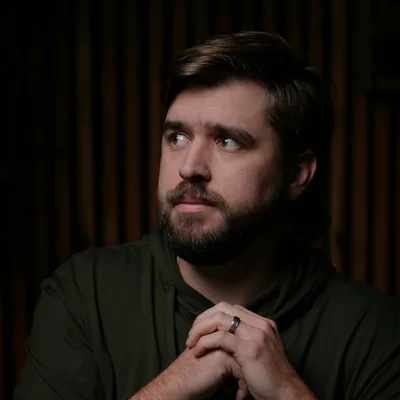
About Michael
I'm Michael, a mental health creator, recovered alcoholic, future therapist, and the host of Sober Psychology. After realizing how much of the traditional mental health conversation misses the mark, I decided to build a space dedicated to raw, unfiltered self-examination and personal healing. My approach combines psychological principles with brutal honesty and hard truths, cutting through the noise to help people navigate their own growth. No toxic positivity, no hidden shame—just real conversations about what it actually takes to heal.