Breaking the Shame Spiral Talking vs Healing
🔁 “Oversharing Feels Like Relief—Until the Shame Spiral Hits” | Emotional Triggers & Recovery Short
Here’s the truth most people don’t want to admit: Oversharing might feel like release in the moment—but it often leads straight into the shame spiral.
🧠 There’s a study that found post-oversharing shame increases depressive symptoms by 30%. You spill… You cringe… Then you spiral. Suddenly, what felt like honesty now feels like exposure. And what do we do when we feel exposed? We isolate. We withdraw. We obsess. And for addicts—that's a dangerous game.
This is where cognitive behavioral therapy (CBT) steps in. There’s debate in that space—some say we stay stuck in our problems because we talk about them too much. There’s truth in that. But also—you can’t heal what you won’t name. Talking is the entry point. Doing the work is what moves you forward.
💡 If you’re walking into therapy and telling the same story every single week without working on it—that’s not healing. That’s reliving. Every time you reopen the wound without addressing it, you’re not processing—you’re picking the scab.
Also: surround yourself with people who love you enough to say,
“Hey—I love you, but you need to stop talking and start healing.” Those are your real ones.
This video is for general educational purposes and is not a substitute for professional medical or mental health advice, diagnosis, or treatment. If you are in crisis or having thoughts of harming yourself, call or text 988 (Suicide & Crisis Lifeline) or go to your nearest emergency room.
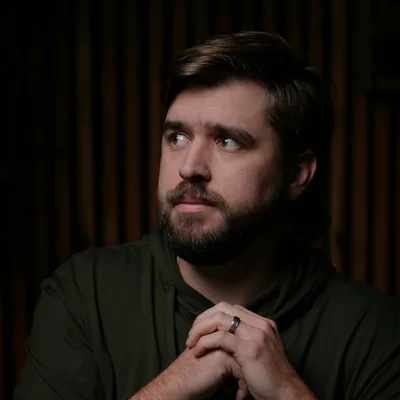
About Michael
I'm Michael, a mental health creator, recovered alcoholic, future therapist, and the host of Sober Psychology. After realizing how much of the traditional mental health conversation misses the mark, I decided to build a space dedicated to raw, unfiltered self-examination and personal healing. My approach combines psychological principles with brutal honesty and hard truths, cutting through the noise to help people navigate their own growth. No toxic positivity, no hidden shame—just real conversations about what it actually takes to heal.