Stop Oversharing Reclaim Meetings and Respect Boundaries
🎙️ “Oversharing in Recovery Groups: You’re Not the Only One with a Story” | Tough Love Short
Let’s talk about a hard truth that needs to be said in recovery: Oversharing doesn’t just drain the room—it alienates the people trying to heal beside you.
Look, I get it. In my first year sober, I treated AA like it was my personal TED Talk. Every meeting? A 30-minute monologue about my rock bottom—every gritty detail. I thought I was inspiring people. Truth is, I was just exhausting them.
📉 A study found that 40% of group members feel less engaged when someone overshares excessively. And it’s not just about hogging time—it’s a validation trap. You’re not connecting. You’re performing. And eventually, people roll their eyes, check their watches, and disconnect.
I had a guy pull me aside and say,
“Michael, we get it. You were a mess. So were we. Just freaking move on.”
Oof. Gut punch. But he was right.
💡 Recovery meetings are for everyone. Not just your story. So learn the line between sharing to heal—and sharing to be adored.
Because no one heals when the room’s too tired to listen.
This video is for general educational purposes and is not a substitute for professional medical or mental health advice, diagnosis, or treatment. If you are in crisis or having thoughts of harming yourself, call or text 988 (Suicide & Crisis Lifeline) or go to your nearest emergency room.
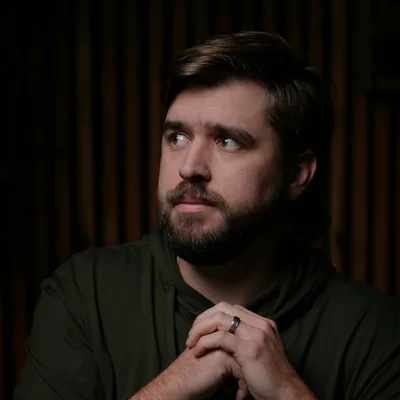
About Michael
I'm Michael, a mental health creator, recovered alcoholic, future therapist, and the host of Sober Psychology. After realizing how much of the traditional mental health conversation misses the mark, I decided to build a space dedicated to raw, unfiltered self-examination and personal healing. My approach combines psychological principles with brutal honesty and hard truths, cutting through the noise to help people navigate their own growth. No toxic positivity, no hidden shame—just real conversations about what it actually takes to heal.