Oversharing The Hidden Dangers to Your Relationships
💣 “Oversharing Is a Wrecking Ball—Not a Warm Hug” | The Social Consequences Short
Let’s get into Part 2: The Consequences of Oversharing. Because no—oversharing isn’t just “awkward.” It’s a straight-up wrecking ball to both your relationships and your self-esteem.
🧠 A 2019 study in the Journal of Social and Clinical Psychology found that 65% of people feel less close to someone who overshares. Think about that. You think you're bonding? They’re mentally checking the exits.
We’ve all been there. Trapped in a conversation with someone pouring out every trauma they’ve ever known while you're trying to remember your own name. (And if you’re feeling that right now watching this video… that’s fair. I still love you. But I’m still recording—so get over it.)
Here’s the real issue: When you're emotionally dysregulated—deep in your feels—you lose social awareness. You don’t notice that the person across from you is drowning in discomfort. You’re seeking connection… and accidentally pushing people away.
That’s why having a tight inner circle is everything. These are the people who won’t run. The ones you’ve built real trust with. That’s who you overshare with. Not strangers. Not acquaintances.
So pause. Reflect. Oversharing isn’t vulnerability—it’s unfiltered emotion without boundaries. And it can cost you more than you think.
This video is for general educational purposes and is not a substitute for professional medical or mental health advice, diagnosis, or treatment. If you are in crisis or having thoughts of harming yourself, call or text 988 (Suicide & Crisis Lifeline) or go to your nearest emergency room.
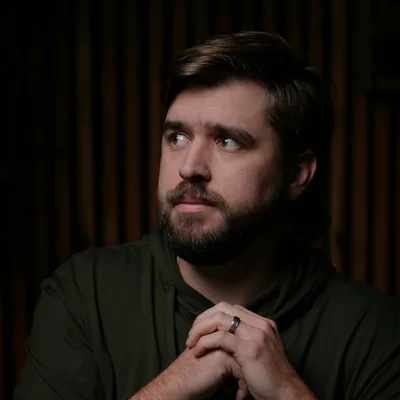
About Michael
I'm Michael, a mental health creator, recovered alcoholic, future therapist, and the host of Sober Psychology. After realizing how much of the traditional mental health conversation misses the mark, I decided to build a space dedicated to raw, unfiltered self-examination and personal healing. My approach combines psychological principles with brutal honesty and hard truths, cutting through the noise to help people navigate their own growth. No toxic positivity, no hidden shame—just real conversations about what it actually takes to heal.