Jung's Forbidden Theory That Launched Modern Recovery
🔥 “Before AA was born, Carl Jung cracked open the soul of addiction.”
Let’s rewind the tape to the roots of recovery. Before 12 steps, before The Big Book, before “Hi, I’m [insert name here], and I’m an alcoholic” — there was a Swiss psychiatrist named Carl Jung, staring addiction in the face and saying, “This isn’t just a disease. This is a spiritual crisis.”
Yeah. Jung — the same guy who gave us shadow work, archetypes, and the collective unconscious — was the spark behind AA’s origin story. When nothing else worked, when psych wards and theories failed, he had the audacity to say what no one in the scientific world dared: the alcoholic needs a spiritual awakening to recover.
And that insight passed from one man to another… until it landed with Ebby Thatcher, who carried it to Bill Wilson, the founder of Alcoholics Anonymous.
That chain of conversations? It wasn’t just small talk. It was a spiritual transmission that launched the recovery movement.
In this episode, I break down the forgotten psychological and spiritual backbone of addiction recovery — and why ignoring either is like trying to fix a sinking boat with duct tape and denial.
Jung wasn’t just ahead of his time. He defined the time that came next.
This video is for general educational purposes and is not a substitute for professional medical or mental health advice, diagnosis, or treatment. If you are in crisis or having thoughts of harming yourself, call or text 988 (Suicide & Crisis Lifeline) or go to your nearest emergency room.
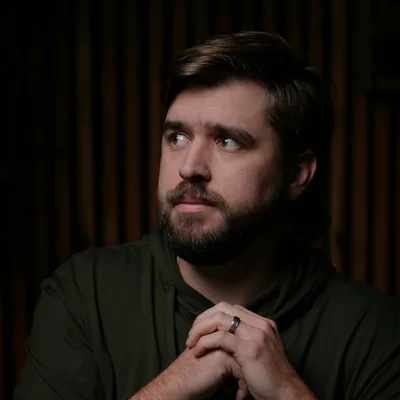
About Michael
I'm Michael, a mental health creator, recovered alcoholic, future therapist, and the host of Sober Psychology. After realizing how much of the traditional mental health conversation misses the mark, I decided to build a space dedicated to raw, unfiltered self-examination and personal healing. My approach combines psychological principles with brutal honesty and hard truths, cutting through the noise to help people navigate their own growth. No toxic positivity, no hidden shame—just real conversations about what it actually takes to heal.