Why Helping Too Much Can Hurt Recovery!
💥 “Enabling makes harmful behavior easier—and blocks recovery.”
That’s straight from a 2025 English Mountain post, and it hits hard. The science backs it too: enabled addicts relapse more often because they never build accountability. Why would they? Someone else always cleans up the mess.
But enabling doesn’t just wreck the addict’s recovery—it wrecks you. Burnout. Resentment. Depression. A 2019 Family Intervention blog showed codependents consistently report higher anxiety, because you’re basically a human shield in a war against sobriety. And guess who gets shot first? The shield.
On the flip side, research in PMC highlights that true recovery support means engaged relationships without enabling—investing in someone’s growth while letting them own their consequences. That’s what actually builds capital for long-term recovery.
I’ve seen this up close in my own family. My mom, by nature, is a gift giver. For her, solving problems with things felt easier than wrestling with emotions. And while that kind of generosity can be beautiful, it also robbed me—and my siblings—of learning from our mistakes. When you’re constantly rescued, you never grow.
👉 Enabling feels like protection, but it’s actually prevention. It prevents addicts from changing. It prevents you from healing. And in the end, it prevents recovery altogether.
This video is for general educational purposes and is not a substitute for professional medical or mental health advice, diagnosis, or treatment. If you are in crisis or having thoughts of harming yourself, call or text 988 (Suicide & Crisis Lifeline) or go to your nearest emergency room.
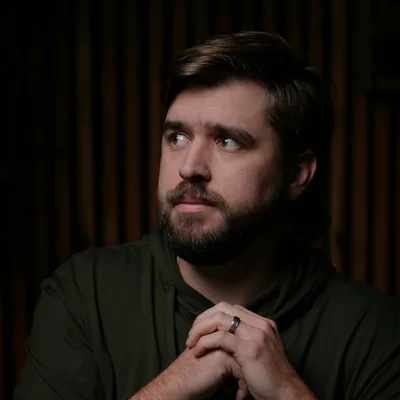
About Michael
I'm Michael, a mental health creator, recovered alcoholic, future therapist, and the host of Sober Psychology. After realizing how much of the traditional mental health conversation misses the mark, I decided to build a space dedicated to raw, unfiltered self-examination and personal healing. My approach combines psychological principles with brutal honesty and hard truths, cutting through the noise to help people navigate their own growth. No toxic positivity, no hidden shame—just real conversations about what it actually takes to heal.