Why Do We Help Even When It Hurts?
⚡ “Enabling isn’t love—it’s fear in disguise.”
We’ve been hammering this point since day one of Sober Psychology: psychologically, enabling doesn’t come from strength, it comes from fear. Fear of conflict. Fear of rejection. Fear of abandonment. Fear of watching someone you love crash and burn.
According to VeryWell Mind, enablers are usually motivated by guilt, love, or denial—classic avoidance coping. You dodge the pain in the short term, but you multiply it in the long term. And codependency? That’s the gasoline on this fire. Studies consistently link codependency and enabling, because when your identity comes from “helping,” you’re not helping at all—you’re feeding the cycle.
A 2017 LifeSkills South Florida blog laid it out: common enablers give money, make excuses, or bail addicts out. Every one of those “acts of love” is just a deposit into the addiction account. And it feels good in the moment—because codependency tricks you into thinking you’re the hero. But in reality, it’s an altruistic messiah complex that keeps both you and the addict chained.
💬 So here’s your challenge: Ask yourself—am I helping out of love, or am I enabling out of fear? Be honest. That’s the first step toward real change.
This video is for general educational purposes and is not a substitute for professional medical or mental health advice, diagnosis, or treatment. If you are in crisis or having thoughts of harming yourself, call or text 988 (Suicide & Crisis Lifeline) or go to your nearest emergency room.
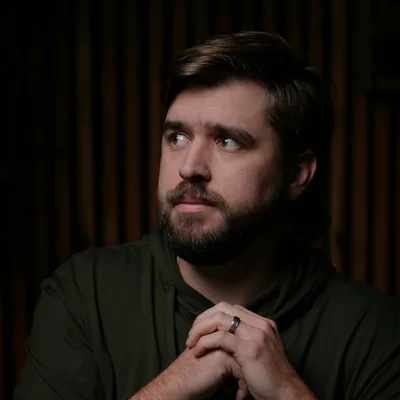
About Michael
I'm Michael, a mental health creator, recovered alcoholic, future therapist, and the host of Sober Psychology. After realizing how much of the traditional mental health conversation misses the mark, I decided to build a space dedicated to raw, unfiltered self-examination and personal healing. My approach combines psychological principles with brutal honesty and hard truths, cutting through the noise to help people navigate their own growth. No toxic positivity, no hidden shame—just real conversations about what it actually takes to heal.