Can You Love Without Enabling?
🚨 “You’re not a hero—you’re hooked on the drama.”
That’s the brutal reality behind the enabling dilemma Al-Anon talks about: the fear that if you stop enabling, you’re not loving anymore. But here’s the gut-punch—enabling isn’t love, it’s control. A 1999 Taylor & Francis review even showed that partners often enable as a way to maintain control. Think about that. Enabling feels good because it lets you avoid the real work: facing your own pain.
This runs deep in addiction families. Mom enabled Dad. Now you enable your sibling. Or Mom’s enabling you. It’s generational chaos disguised as care. And the cycle keeps rolling until someone breaks it.
👉 Section 3: The Devastating Effects of Enabling
For the addict: it removes consequences, shields them from reality, and delays the rock bottom they need to get help. (WebMD even notes enabling directly fuels continued addiction.)
For the family: it breeds resentment, exhaustion, and codependency. What feels like helping slowly becomes toxicity, trauma, and burnout.
Bottom line: enabling doesn’t help—it harms. You’re not saving them. You’re just prolonging their suffering and tying yourself to the same sinking ship.
💬 If this stings, good. It means you’re ready to face it. Drop one enabling habit you’ve spotted in yourself below—it could free both you and your loved one.
This video is for general educational purposes and is not a substitute for professional medical or mental health advice, diagnosis, or treatment. If you are in crisis or having thoughts of harming yourself, call or text 988 (Suicide & Crisis Lifeline) or go to your nearest emergency room.
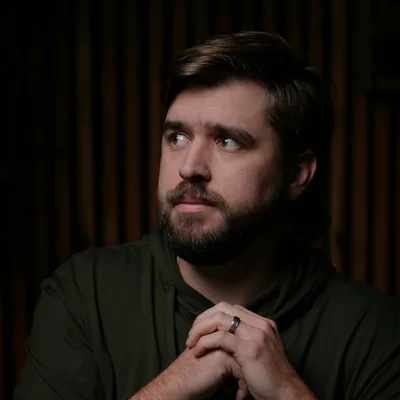
About Michael
I'm Michael, a mental health creator, recovered alcoholic, future therapist, and the host of Sober Psychology. After realizing how much of the traditional mental health conversation misses the mark, I decided to build a space dedicated to raw, unfiltered self-examination and personal healing. My approach combines psychological principles with brutal honesty and hard truths, cutting through the noise to help people navigate their own growth. No toxic positivity, no hidden shame—just real conversations about what it actually takes to heal.