Relapse isn't a slip, it's a process.
🔥 Relapse: The Psychological Landmine That No One Talks About
Welcome back to Sober Psychology, the podcast where we stop sugarcoating recovery and start calling out your excuses with dark humor, real science, and zero tolerance for BS. I’m Michael — your host, psychologist-in-training, sober dad, and living proof that recovery looks more like a heart monitor than a straight line.
Today, we're talking about relapse — not the watered-down, “oops I messed up” version, but the full-on psychological ambush that hijacks your brain when you're not paying attention. This isn't just you slipping up. This is war. It’s emotional sabotage, mental denial, and neurological rewiring all working against your better judgment.
Let’s be real: Relapse doesn’t come out of nowhere. It’s the end result of ignoring every flashing warning light your brain throws at you. And while you’re out here pretending you’ve got it handled, addiction’s setting up camp in the back of your mind like a drunk raccoon with a grudge.
I’m breaking it all down:
Why relapse is a process, not a moment
How your brain manipulates you into sabotaging your sobriety
What to look for before things go sideways — and how to stop it cold
This is raw. It’s real. And if it stings a little, good. That means it’s working.
This video is for general educational purposes and is not a substitute for professional medical or mental health advice, diagnosis, or treatment. If you are in crisis or having thoughts of harming yourself, call or text 988 (Suicide & Crisis Lifeline) or go to your nearest emergency room.
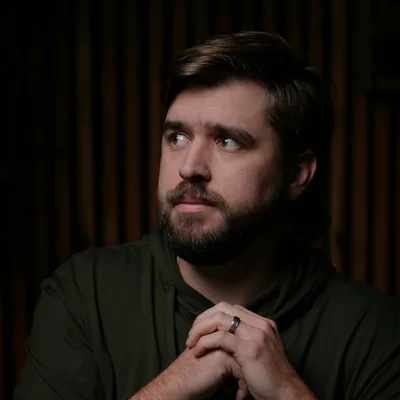
About Michael
I'm Michael, a mental health creator, recovered alcoholic, future therapist, and the host of Sober Psychology. After realizing how much of the traditional mental health conversation misses the mark, I decided to build a space dedicated to raw, unfiltered self-examination and personal healing. My approach combines psychological principles with brutal honesty and hard truths, cutting through the noise to help people navigate their own growth. No toxic positivity, no hidden shame—just real conversations about what it actually takes to heal.