How One Mistake Becomes a Wrecking Ball
🎯 Relapse Isn’t Just a Slip—It’s a Sneaky Sabotage Operation
Let’s be real. Relapse doesn’t always look like a dramatic bar crawl or rock bottom moment. Sometimes it looks like stress at work, a fight with your partner, or yeah—even a beer commercial with a sexy polar bear. (Thanks, marketing.)
This week on Sober Psychology, we’re pulling back the curtain on what relapse actually is: not a failure, not weakness, but a full-blown psychological ambush.
🧠 Your brain is slick. It’ll whisper lies like, “One drink won’t hurt,” while dragging you back to gas station bathrooms and karaoke nights you don’t remember signing up for. The Big Book said it best: “The alcoholic is like a tornado roaring his way through the lives of others.” This ain’t just about you. It’s about everyone in your blast radius.
Today, I’m walking you through:
How relapse starts way before the drink
Why stress, guilt, and even success can be triggers
How to spot the setup before it hits
And why you’re not a failure—you’re just unarmed
As someone who’s managed to stay sober but came damn close to falling off, I know how sneaky this disease can be. I’m not judging you. I’m just not letting you lie to yourself anymore.
This is raw recovery with a side of dark humor. Let’s go.
This video is for general educational purposes and is not a substitute for professional medical or mental health advice, diagnosis, or treatment. If you are in crisis or having thoughts of harming yourself, call or text 988 (Suicide & Crisis Lifeline) or go to your nearest emergency room.
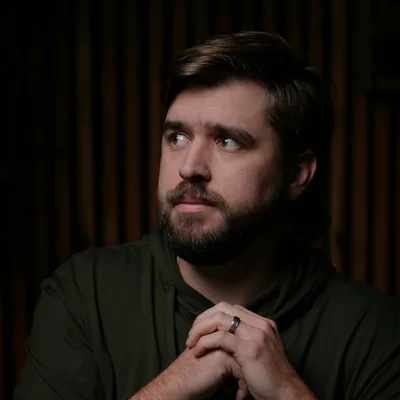
About Michael
I'm Michael, a mental health creator, recovered alcoholic, future therapist, and the host of Sober Psychology. After realizing how much of the traditional mental health conversation misses the mark, I decided to build a space dedicated to raw, unfiltered self-examination and personal healing. My approach combines psychological principles with brutal honesty and hard truths, cutting through the noise to help people navigate their own growth. No toxic positivity, no hidden shame—just real conversations about what it actually takes to heal.