Writing About Trauma Actually Heals Your Body
"The Science of Journaling: Why It’s a Sobriety Superpower"
Psychology doesn’t just suggest journaling—it practically begs for it. A classic study by Dr. James Pennebaker showed that writing about your traumas for just 15 minutes a day can improve mental health, reduce stress, and even boost your immune system. That’s the mind-body connection in action—when your mental health improves, your physical health follows.
Fast-forward to 2025, and the research still holds strong. A Psychology Today piece this year found that journaling improves mood, lowers stress, and ramps up self-awareness—even in stressed-out college students. So if it works for them, imagine what it can do for you in recovery. The takeaway? Your pen might just be your most underrated sobriety tool.
This video is for general educational purposes and is not a substitute for professional medical or mental health advice, diagnosis, or treatment. If you are in crisis or having thoughts of harming yourself, call or text 988 (Suicide & Crisis Lifeline) or go to your nearest emergency room.
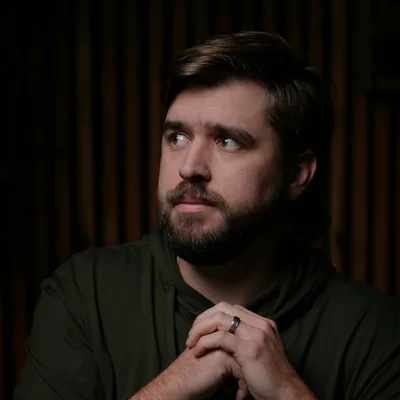
About Michael
I'm Michael, a mental health creator, recovered alcoholic, future therapist, and the host of Sober Psychology. After realizing how much of the traditional mental health conversation misses the mark, I decided to build a space dedicated to raw, unfiltered self-examination and personal healing. My approach combines psychological principles with brutal honesty and hard truths, cutting through the noise to help people navigate their own growth. No toxic positivity, no hidden shame—just real conversations about what it actually takes to heal.