Tough Love That Actually Works!
🔥 Section 4: How to Stop Enabling & Start Helping for Real
This is where we flip the script. Enabling keeps people sick—tough love sets them free. Here’s your roadmap:
1️⃣ Recognize Your Patterns Journal it. Inventory it. (AA Step 4 style.) Write down the ways you’ve been enabling, no matter how small. Awareness is the first punch in the gut you need. Get accountability partners, talk to a therapist, or join a support group—whatever it takes to see the cycle clearly.
2️⃣ Set Boundaries No more bailouts. No more covering, no more lying, no more “just this once.” American Addiction Centers flat-out says: identify enablers, cut it off, and start assisting recovery instead. Boundaries aren’t punishment—they’re survival.
3️⃣ Get Support Al-Anon is basically enabling detox for families. You need people who’ve walked through this fire and know the scars. You can’t do this in isolation.
I learned this the hard way. After my first DWI, I got bailed out—and within 24 hours I was drinking again. After my assault charge, same story. Bailout, relapse, repeat. It wasn’t until the bailouts stopped that recovery even became possible.
👉 Tough love feels brutal. But enabling is far more brutal. Stop polishing the chains and start breaking them.
This video is for general educational purposes and is not a substitute for professional medical or mental health advice, diagnosis, or treatment. If you are in crisis or having thoughts of harming yourself, call or text 988 (Suicide & Crisis Lifeline) or go to your nearest emergency room.
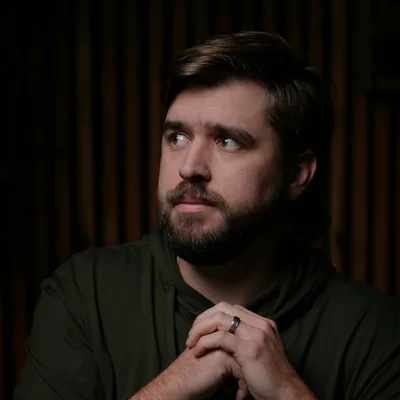
About Michael
I'm Michael, a mental health creator, recovered alcoholic, future therapist, and the host of Sober Psychology. After realizing how much of the traditional mental health conversation misses the mark, I decided to build a space dedicated to raw, unfiltered self-examination and personal healing. My approach combines psychological principles with brutal honesty and hard truths, cutting through the noise to help people navigate their own growth. No toxic positivity, no hidden shame—just real conversations about what it actually takes to heal.