How To Stop Helping Someone Too Much
💥 “Detach with love: stop rescuing, start letting consequences do the work.”
When you enable, you stay trapped in the same destructive pattern—and so does your loved one. Psychology gives us tools to break it:
🧠 Cognitive Behavioral Therapy (CBT) can help you challenge the “helping thoughts” that trick you into thinking rescue = love. A 2019 study in the International Journal of Preventive Medicine highlights that real change comes from support without rescue.
💔 Detach with love. You can absolutely still love the person you’ve been enabling. You can love them fiercely—but you have to hate the addiction. Boundaries are not betrayal. They’re survival.
⚠️ Let consequences hit. Family intervention strategies are clear: the way out of enabling is to stop softening every fall. If they rage, if they relapse, if they sit in jail—that’s their consequence, not your failure.
Every bailout, every cover-up, every “just this once” keeps the addiction alive and drags you down with it. The only way forward is to step back and let them face the fire.
💬 Hard question: What’s one consequence you’ve been protecting your loved one from? Drop it in the comments—it might be the first step toward real healing.
This video is for general educational purposes and is not a substitute for professional medical or mental health advice, diagnosis, or treatment. If you are in crisis or having thoughts of harming yourself, call or text 988 (Suicide & Crisis Lifeline) or go to your nearest emergency room.
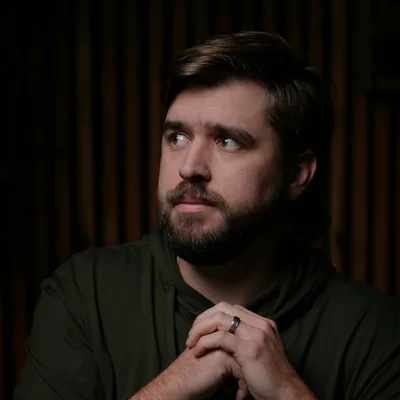
About Michael
I'm Michael, a mental health creator, recovered alcoholic, future therapist, and the host of Sober Psychology. After realizing how much of the traditional mental health conversation misses the mark, I decided to build a space dedicated to raw, unfiltered self-examination and personal healing. My approach combines psychological principles with brutal honesty and hard truths, cutting through the noise to help people navigate their own growth. No toxic positivity, no hidden shame—just real conversations about what it actually takes to heal.