Why Do Some People Pick Bad Partners?
💔 “Enabling isn’t just about addiction—it shows up in relationships too.”
You see it in movies, but you’ve probably seen it in real life too: people staying with partners who treat them like garbage. A lot of this traces back to childhood wounds. If someone grew up with abuse—an angry father, a cruel mother—they often chase the same chaos later in life. And here’s the kicker: they enable it.
It’s not always about love. Often it’s about low self-esteem and anxious attachment. 👉 “If I leave, I’ll never find anyone better.” 👉 “If I set boundaries, they’ll abandon me.” 👉 “If I forgive again, maybe this time they’ll change.”
I lived this dynamic in my own marriage. I was abusive—mentally, emotionally, physically. And my ex-wife stayed. Why? Not because I deserved it, but because she didn’t believe she could do better. If she’d had the confidence she has now back then, she would’ve dropped me like a hot rock the first time I crossed the line.
And for many couples—especially in faith communities—divorce feels unthinkable. But here’s the hard truth: every time you excuse lying, cheating, or abuse, you’re enabling it. And enabling is just another form of slow destruction.
👉 Attachment theory explains it perfectly: anxious attachment bonds people to toxic partners, because the fear of loss feels worse than the pain of abuse. But staying in that cycle doesn’t heal anyone. It just prolongs the hurt.
💬 Have you ever stayed in a relationship out of fear instead of love? Drop a 🖤 in the comments if that hit home.
This video is for general educational purposes and is not a substitute for professional medical or mental health advice, diagnosis, or treatment. If you are in crisis or having thoughts of harming yourself, call or text 988 (Suicide & Crisis Lifeline) or go to your nearest emergency room.
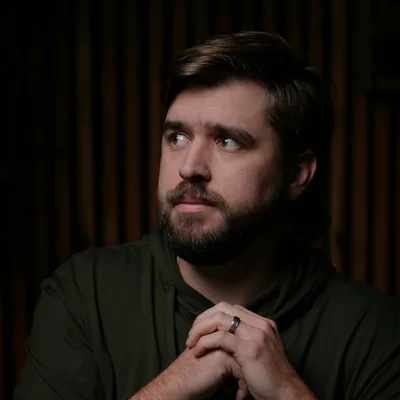
About Michael
I'm Michael, a mental health creator, recovered alcoholic, future therapist, and the host of Sober Psychology. After realizing how much of the traditional mental health conversation misses the mark, I decided to build a space dedicated to raw, unfiltered self-examination and personal healing. My approach combines psychological principles with brutal honesty and hard truths, cutting through the noise to help people navigate their own growth. No toxic positivity, no hidden shame—just real conversations about what it actually takes to heal.