The Sickest Part About Addiction? You're Feeding It
⚡ “Sometimes real help means saying: I won’t help you anymore.”
That’s the paradox of enabling. Our human instinct says “protect, provide, fix”—especially for the people we love most. But in addiction, that instinct becomes poison. You think you’re saving them, but really you’re just saving the disease.
Addiction is corrosive—it doesn’t just rot the addict, it rots the entire family dynamic from the inside out. And psychology explains why so many of us fall into this trap:
👉 Attachment theory shows that people with anxious attachment will enable just to preserve the bond—even if it’s toxic. “If I cover for them, they won’t leave me.” 👉 A 2019 Healthline piece points out that enablers often act out of low self-esteem or trauma, which makes tolerating abuse or dysfunction feel normal. 👉 Pop psychology calls it “helping.” But really, it’s fear—fear of loss, fear of rejection, fear of watching someone you love drown.
Here’s the gut-punch: enabling doesn’t just hurt them. It hurts you. It hurts everyone around you. And the bravest act of love is drawing the line, even if it feels like betrayal in the moment.
💬 Who in your life do you want to help by not helping? Comment below—sometimes naming it is the first step.
This video is for general educational purposes and is not a substitute for professional medical or mental health advice, diagnosis, or treatment. If you are in crisis or having thoughts of harming yourself, call or text 988 (Suicide & Crisis Lifeline) or go to your nearest emergency room.
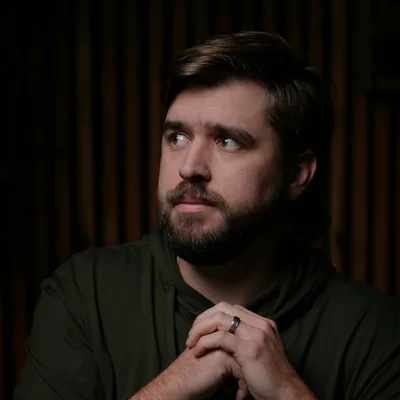
About Michael
I'm Michael, a mental health creator, recovered alcoholic, future therapist, and the host of Sober Psychology. After realizing how much of the traditional mental health conversation misses the mark, I decided to build a space dedicated to raw, unfiltered self-examination and personal healing. My approach combines psychological principles with brutal honesty and hard truths, cutting through the noise to help people navigate their own growth. No toxic positivity, no hidden shame—just real conversations about what it actually takes to heal.