Is Self-Sabotage Ruining Your Progress?
🔥 “Self-Sabotage & Addiction: The Ugly Truth Nobody Tells You” 🔥
Self-sabotage and substance abuse? They’re like Bonnie & Clyde — ride-or-die partners in crime that’ll bury you together if you let ‘em. A 2021 study in Addiction found that self-destructive moves — like skipping recovery meetings or “testing” yourself with just one drink — are the biggest predictors of relapse.
I know because I did it. I used to think a shot of whiskey was my reward for surviving a good day. But spoiler: it wasn’t a reward — it was my way of torching my progress because deep down, I didn’t believe I deserved better. That’s what self-sabotage is: blowing up your own life because chaos feels safer than success.
If you’re in recovery, hear me loud: sabotage isn’t a slip. It’s a one-way ticket straight back to hell. I had to learn the hardest part — the dark secret: I wanted the chaos because it was the only thing I felt like I could control. When everything else fell apart, I knew I could still choose to lose it all. That’s not power — that’s poison.
You’re not alone. But you have to stop lighting your own fuse.
👇 Drop a “🚫🔥” if you’re ready to break that cycle — and tell me in the comments: What’s the sabotage move you’re done repeating?
This video is for general educational purposes and is not a substitute for professional medical or mental health advice, diagnosis, or treatment. If you are in crisis or having thoughts of harming yourself, call or text 988 (Suicide & Crisis Lifeline) or go to your nearest emergency room.
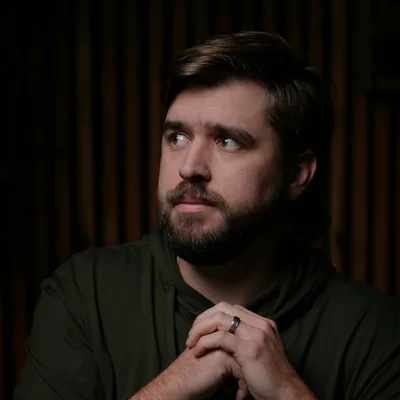
About Michael
I'm Michael, a mental health creator, recovered alcoholic, future therapist, and the host of Sober Psychology. After realizing how much of the traditional mental health conversation misses the mark, I decided to build a space dedicated to raw, unfiltered self-examination and personal healing. My approach combines psychological principles with brutal honesty and hard truths, cutting through the noise to help people navigate their own growth. No toxic positivity, no hidden shame—just real conversations about what it actually takes to heal.