Journaling & Therapy Your Secrets to Emotional Healing!
📓 “Some Stuff Belongs in a Journal, Not a Group Chat” | Recovery Tools That Actually Work Short
Let’s be honest—sometimes the best thing you can do for someone is just say: “Hey, I know you’re going through a lot. How are you really doing?” …and then just listen. No advice. No fixing. Just presence.
Now, let’s hit some recovery gold—practical, psychological, powerful:
✍️ – Use Journaling as an Outlet I will scream this every episode if I have to: Journaling. Freaking. Works. Writing your thoughts instead of blurting them reduces emotional impulsivity by about 35% (give or take—don’t quote me on the decimal). In recovery, your journal becomes your safe space to process shame, guilt, fear—without the emotional hangover.
🧠 Talk to yourself. Write it out. Get honest. Let the page carry what you’re not ready to say aloud.
🛋️ – Seek Therapy for the Big Stuff Not everything needs to go in the group chat. Therapists have no emotional skin in your game. That’s the magic. They’re trained to listen, analyze, and help you actually work through it—not just nod along.
A 2021 study in American Psychologist found that therapy reduces oversharing by 50% by tackling root issues like anxiety. Yup. CBT for the win.
Bottom line? Journal it. Talk to a pro. And stop handing your trauma to people not equipped to carry it.
This video is for general educational purposes and is not a substitute for professional medical or mental health advice, diagnosis, or treatment. If you are in crisis or having thoughts of harming yourself, call or text 988 (Suicide & Crisis Lifeline) or go to your nearest emergency room.
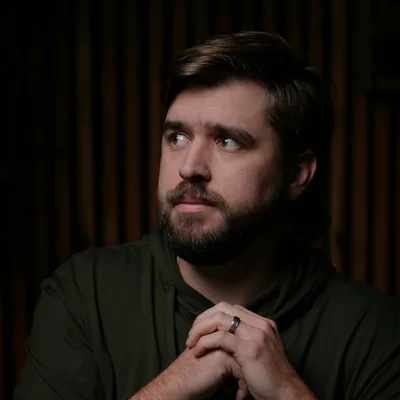
About Michael
I'm Michael, a mental health creator, recovered alcoholic, future therapist, and the host of Sober Psychology. After realizing how much of the traditional mental health conversation misses the mark, I decided to build a space dedicated to raw, unfiltered self-examination and personal healing. My approach combines psychological principles with brutal honesty and hard truths, cutting through the noise to help people navigate their own growth. No toxic positivity, no hidden shame—just real conversations about what it actually takes to heal.