What They Don't Tell You About Quitting
🎯 “The World Was Painted Gray” – What They Don’t Tell You About Sobriety
Most people think that when you quit drinking, life immediately gets better. But let me tell you—from lived experience—the real battle begins after the bottle. I remember sitting in my room, 100% sober, and the world felt like it was painted in gray. Not sadness. Not grief. Just… nothing.
And that, my friends, is your brain trying to recalibrate.
See, when you’ve used alcohol to artificially spike your dopamine for years, your baseline neurochemistry tanks when you quit. You’re not just facing “life without booze,” you’re facing life with deficient dopamine—the very thing that once made sunsets beautiful and jokes funny.
This isn’t just anecdote. It’s neuroscience.
Recalibration takes time. Months. Sometimes years. That’s why most recovering addicts feel flat, joyless, even disoriented long after detox ends. The problem isn’t just in the body—it’s in the mind. Addicts aren’t weak—they’re chemically rewiring themselves in real time. That’s brutal.
But here’s the good news: freedom is on the other side. When the color starts to come back, it’s not artificial—it’s earned.
🧠 Psychological insight meets real talk. If you’re on this journey, don’t give up. The gray fades. The light returns.
This video is for general educational purposes and is not a substitute for professional medical or mental health advice, diagnosis, or treatment. If you are in crisis or having thoughts of harming yourself, call or text 988 (Suicide & Crisis Lifeline) or go to your nearest emergency room.
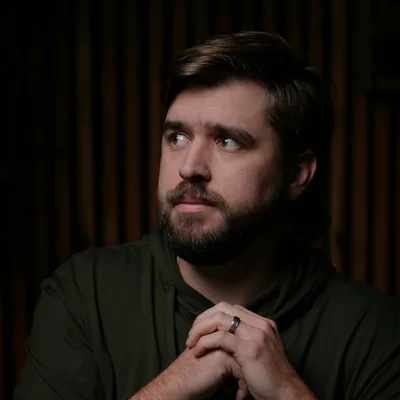
About Michael
I'm Michael, a mental health creator, recovered alcoholic, future therapist, and the host of Sober Psychology. After realizing how much of the traditional mental health conversation misses the mark, I decided to build a space dedicated to raw, unfiltered self-examination and personal healing. My approach combines psychological principles with brutal honesty and hard truths, cutting through the noise to help people navigate their own growth. No toxic positivity, no hidden shame—just real conversations about what it actually takes to heal.