Breaking the Cycle Sobriety and Facing Your Shadow
⚠️ “You’re Not Just Quitting Booze—You’re Confronting Your Shadow”
Here’s a raw truth from someone who’s lived it: When I hit rock bottom, I wasn’t just drinking for fun—I was drinking to numb depression. Every hangover made it worse. I'd wake up hating myself… then drink because I hated myself. That’s the cycle of addiction: a self-made loop of misery and self-destruction.
And breaking it? That was hell—because it meant facing the monster without the bottle. Facing the depression. No escape. No anesthetic. Just raw, unfiltered reality.
But that’s the first real step in recovery.
And here's where we bring in Carl Jung. He called it confronting the shadow—the dark, unconscious part of yourself you’ve spent years running from. Getting sober? That’s not the end of the journey. That’s the doorway to it.
The 12 steps? They aren’t just about abstinence. They’re about transformation. It’s not just quitting alcohol—it’s gaining freedom from the inner torment that made you drink in the first place.
So if you’ve quit, if you’re trying to quit—you’ve already faced the dragon. Now it’s time to do the work.
The shadow is waiting.
This video is for general educational purposes and is not a substitute for professional medical or mental health advice, diagnosis, or treatment. If you are in crisis or having thoughts of harming yourself, call or text 988 (Suicide & Crisis Lifeline) or go to your nearest emergency room.
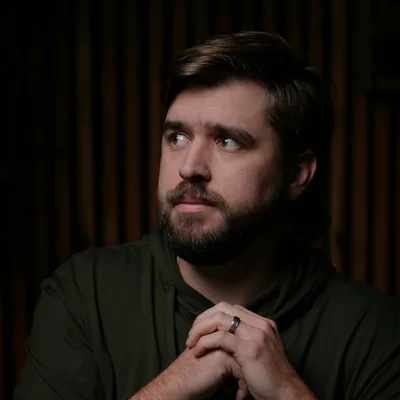
About Michael
I'm Michael, a mental health creator, recovered alcoholic, future therapist, and the host of Sober Psychology. After realizing how much of the traditional mental health conversation misses the mark, I decided to build a space dedicated to raw, unfiltered self-examination and personal healing. My approach combines psychological principles with brutal honesty and hard truths, cutting through the noise to help people navigate their own growth. No toxic positivity, no hidden shame—just real conversations about what it actually takes to heal.