When The Bottle Leaves But Depression Stays
🧠 “Depression Is Your Old Drinking Buddy”
If you're an addict, let me tell you something uncomfortable but true: depression doesn’t leave when the bottle does. It’s that old drinking buddy—grimy, toxic, and uninvited—who keeps showing up, even when you’ve locked the door and thrown away the key.
Why?
Because addiction rewires your brain’s dopaminergic reward system. Substances like alcohol don’t just take the edge off—they hijack your dopamine receptors. They flood them. That’s why it feels good—until it doesn’t. You’ve been chemically training your brain to associate relief with intoxication. And when you quit? You leave your brain in a dopamine drought.
That’s when depression creeps in—like a vulture circling a dehydrated nervous system.
I’ve lived it. I remember sitting there, 90 days sober, no alcohol in my system, and still—everything felt gray. Not sad. Not angry. Just... numb. That’s not weakness. That’s your brain trying to find its baseline again.
But here’s the paradox: healing hurts. Dopamine takes time to return. But it will return—if you stick it out.
You’re not broken. You’re rebalancing.
This video is for general educational purposes and is not a substitute for professional medical or mental health advice, diagnosis, or treatment. If you are in crisis or having thoughts of harming yourself, call or text 988 (Suicide & Crisis Lifeline) or go to your nearest emergency room.
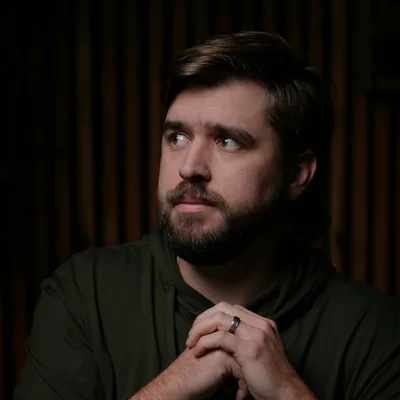
About Michael
I'm Michael, a mental health creator, recovered alcoholic, future therapist, and the host of Sober Psychology. After realizing how much of the traditional mental health conversation misses the mark, I decided to build a space dedicated to raw, unfiltered self-examination and personal healing. My approach combines psychological principles with brutal honesty and hard truths, cutting through the noise to help people navigate their own growth. No toxic positivity, no hidden shame—just real conversations about what it actually takes to heal.