Are You Accidentally Helping an Addict?
🚨 Enabling isn’t “helping”… it’s handing your addict a shovel so they can dig their own grave while you clap for them.
In this episode of Sober Psychology, we’re tearing the mask off enabling—those “supportive” behaviors that really just shield addicts from the fallout they need to face. Covering your spouse’s hangovers, lying to your boss for them, even buying drugs so your kid doesn’t get ripped off? That’s not rescuing. That’s playing co-pilot in their crash landing.
Pop psychology likes to dress this up as “rescuing.” Nah. Let’s call it what it is: a toxic tango where you’re holding your addicted loved one steady just enough so they can keep spiraling. And here’s the kicker—this isn’t just about them. Enabling is deeply tied to codependency, that vicious cycle Melody Beattie broke down in Codependent No More, where your entire sense of worth gets tangled up in “fixing” someone who doesn’t want to be fixed.
If you’re feeling that sting in your chest right now, good. It means this episode is for you. Because until you see enabling for what it really is, you’re not helping them recover—you’re helping them relapse.
💬 Comment below if you’ve caught yourself enabling without realizing it.
This video is for general educational purposes and is not a substitute for professional medical or mental health advice, diagnosis, or treatment. If you are in crisis or having thoughts of harming yourself, call or text 988 (Suicide & Crisis Lifeline) or go to your nearest emergency room.
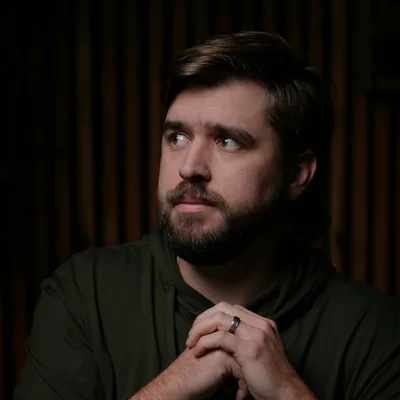
About Michael
I'm Michael, a mental health creator, recovered alcoholic, future therapist, and the host of Sober Psychology. After realizing how much of the traditional mental health conversation misses the mark, I decided to build a space dedicated to raw, unfiltered self-examination and personal healing. My approach combines psychological principles with brutal honesty and hard truths, cutting through the noise to help people navigate their own growth. No toxic positivity, no hidden shame—just real conversations about what it actually takes to heal.