Stop Blaming Yourself Overcoming Personalization and Family Drama
🧠 “You’re Not the Villain in Everyone’s Story” | Personalization & Recovery Short
Let’s talk about one of the most mentally exhausting traps in recovery: personalization.
Your friend cancels plans? Must be because you’re a loser. Family drama erupts? Clearly you’re the problem. Someone’s in a bad mood? Obviously you messed up.
Here’s the truth: it’s not about you. People have their own lives, problems, insecurities, and chaos—and most of it has nothing to do with you.
When you live honestly—when you walk in truth—you stop needing to run from every shadow of rejection. I’ve had to make some serious grown-up decisions for my family lately. I thought them through. I prayed. I talked with my wife. And guess what? My family didn’t like it. So now I’m the black sheep.
That used to wreck me. The guilt. The shame. The feeling of worthlessness. But now? I get it: they’re reacting to their own discomfort, not my failure.
If you're doing the work, making thoughtful decisions, and staying grounded—you’re not the villain here. You’re not even the main character in their story.
Stop taking ownership of other people’s chaos. You're not that powerful.
This video is for general educational purposes and is not a substitute for professional medical or mental health advice, diagnosis, or treatment. If you are in crisis or having thoughts of harming yourself, call or text 988 (Suicide & Crisis Lifeline) or go to your nearest emergency room.
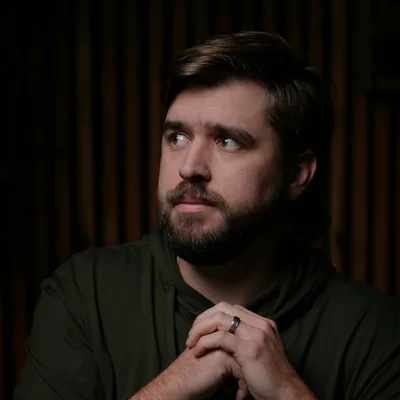
About Michael
I'm Michael, a mental health creator, recovered alcoholic, future therapist, and the host of Sober Psychology. After realizing how much of the traditional mental health conversation misses the mark, I decided to build a space dedicated to raw, unfiltered self-examination and personal healing. My approach combines psychological principles with brutal honesty and hard truths, cutting through the noise to help people navigate their own growth. No toxic positivity, no hidden shame—just real conversations about what it actually takes to heal.