Is AA Really a Cult or Just Misunderstood?
🔥 AA, Secrecy, and the “Outsmarting Addiction” Trap 🔥
Here’s the thing: a 2021 study found that people in recovery usually manage by either challenging stigma or hiding it. But hiding feeds the whole “AA is a cult” myth. If you’re avoiding meetings because of that? You’re letting fear win. Own it—or relapse. It really is that simple.
If you hate God and hate community, sure, AA can look like a cult. But if that’s your excuse for skipping recovery? That’s not logic talking—that’s your addiction whispering in your ear. Call it what it is: cowardice.
Now, the “once an alcoholic, always an alcoholic” mentality freaks people out. But here’s the reality: once you wear that label, you’ve got three paths—
1️⃣ Reject it. Keep drinking, keep digging an early grave, keep stacking up criminal records. Misery guaranteed. 2️⃣ Try to outsmart it. “I’ll beat the system.” Even Bill W., AA’s founder, went down this road—experimenting with LSD to see if there was a shortcut. Today, people chase DMT, ayahuasca, psychedelics—anything to unlock the cure. Does it work? Maybe for some. Maybe not. But most end up right back at square one. 3️⃣ Accept it. Stop bargaining, stop hiding, stop trying to hack the system. Just accept recovery for what it is: a daily fight worth showing up for.
So the question isn’t whether AA is a cult. The real question is: are you going to let your addiction keep calling the shots, or are you ready to face it head-on?
This video is for general educational purposes and is not a substitute for professional medical or mental health advice, diagnosis, or treatment. If you are in crisis or having thoughts of harming yourself, call or text 988 (Suicide & Crisis Lifeline) or go to your nearest emergency room.
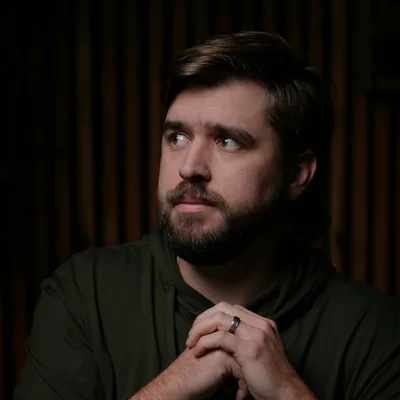
About Michael
I'm Michael, a mental health creator, recovered alcoholic, future therapist, and the host of Sober Psychology. After realizing how much of the traditional mental health conversation misses the mark, I decided to build a space dedicated to raw, unfiltered self-examination and personal healing. My approach combines psychological principles with brutal honesty and hard truths, cutting through the noise to help people navigate their own growth. No toxic positivity, no hidden shame—just real conversations about what it actually takes to heal.